Easy Ways to Reduce Plastic at Home: 30 Practical Swaps

Why Your Home Is Worth Focusing On
Plastic doesn’t begin or end at the factory. A significant slice of the problem lives inside ordinary houses — under bathroom sinks, in kitchen junk drawers, wrapped around takeout containers cooling on the counter. The good news is that home is also where you have the most control.
This guide skips the generic advice you’ve already heard. Instead, it focuses on specific, tested swaps and habits that actually stick — organized by room so you can tackle one area at a time without feeling overwhelmed.

Kitchen: The Highest-Impact Room
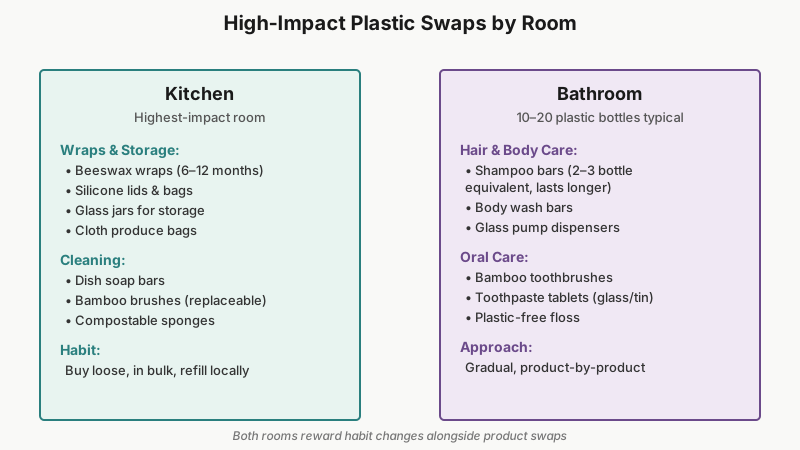
The kitchen generates more single-use plastic than any other room in most homes. That makes it the best place to start.
Switch Your Wraps and Bags
- Beeswax wraps replace cling film for covering bowls, wrapping cheese, or keeping cut vegetables fresh. They’re washable and typically last 6–12 months with regular use.
- Silicone stretch lids fit over most bowls and cut the need for both cling film and foil.
- Reusable silicone bags (like Stasher-style bags) handle sandwiches, snacks, and freezer storage. They’re dishwasher-safe and can last years.
- Cloth produce bags made from mesh or muslin replace the thin plastic bags in the fruit and vegetable aisle.
Rethink Your Food Storage
Glass jars are one of the cheapest, most durable swaps available. Pasta sauce jars, pickle jars, and mason jars all store grains, pulses, nuts, and leftovers without absorbing odors or staining. Stainless steel containers work well for lunchboxes and are virtually indestructible.
If you buy in bulk — even just rice or oats — one large glass container bought once replaces dozens of plastic bags or pouches over time.
Cleaning Products
Liquid dish soap typically comes in a plastic bottle. The alternatives:
- Soap bars for dishes (like those from brands such as Blueland or Meliora) come in cardboard or tins.
- Concentrated cleaning tablets dissolved in water use minimal packaging and remove the need for multiple spray bottles.
- A bamboo dish brush with a replaceable head outlasts a plastic scrubber and composts at end of life.
- Compostable sponges made from loofah or cellulose biodegrade; synthetic sponges shed microplastics every time you scrub.
Grocery Shopping Habits
The most effective kitchen habit isn’t a product — it’s buying differently:
- Bring reusable bags consistently (keep one folded in a coat pocket or car glove box so you never forget).
- Choose loose produce over pre-packaged where available.
- Buy larger quantities less often — a 2 kg bag of flour uses less plastic per gram of product than four 500 g bags.
- Explore a local refill shop or zero-waste store for staples like washing-up liquid, pasta, and spices.
If you’re rethinking how you shop anyway, Simple Ways to Save Money on Groceries (Without Couponing All Day) shows how to trim your grocery bill at the same time.
Bathroom: Small Room, Big Plastic Footprint
The average bathroom contains 10–20 plastic bottles at any given time — shampoo, conditioner, body wash, face wash, toner, moisturizer, and so on. This room rewards a gradual, product-by-product approach.

Bar Soap and Shampoo Bars
This is the single swap with the widest impact. A shampoo bar typically replaces two to three plastic bottles and is concentrated enough to last longer per wash. Many people find the transition takes a week or two as hair adjusts — sticking with it past that point matters.
Body wash in a plastic bottle is straightforward to replace with a bar soap in paper packaging. For most skin types, bar soap is perfectly adequate; some specialty bars now include ingredients like shea butter or oat for dry or sensitive skin.
If swapping in plastic-free bar soaps has you thinking about upgrading your whole bathroom routine, How to Create a Relaxing Home Spa Environment offers ideas for turning that space into a calming retreat.
Toothbrush and Dental Care
Over a billion plastic toothbrushes are discarded globally each year. A bamboo toothbrush is a direct swap — same feel, biodegradable handle. Look for ones with nylon bristles (which you remove and bin separately) rather than boar-hair bristles if you prefer vegan options.
Toothpaste tablets in glass or aluminum tins replace plastic tubes. Brands like Bite, Denttabs, and others produce tablets that work similarly to conventional paste — you chew slightly to activate, then brush. Some people prefer them; others find the texture adjustment takes time.
For dental floss: silk or corn-based compostable floss in glass dispensers replaces the classic nylon-in-plastic-case option.
Moisturizers, Deodorants, and Cosmetics
- Solid moisturizer bars and face oils in glass bottles eliminate plastic pump bottles.
- Deodorant balms in cardboard push-up tubes or tins are now widely available from brands like Wild (refillable), Native, and others.
- Refillable perfume and cosmetic packaging is growing — some brands offer aluminum or glass refills that click into a reusable shell.
- Safety razors with a single replaceable metal blade replace disposable razors almost entirely. The blades are recyclable steel; the handle lasts indefinitely.
Menstrual Products
This is worth including plainly: disposable pads and tampons with plastic applicators generate substantial waste. Menstrual cups (silicone, lasts up to 10 years), reusable fabric pads, and period underwear are all effective long-term alternatives that reduce plastic considerably.
Laundry and Cleaning
Laundry Detergent
Liquid detergent in plastic jugs is one of the bulkier plastic items most households buy. Three alternatives:
- Powder detergent in cardboard boxes — effective, widely available, and dramatically less plastic per wash.
- Laundry sheets or strips — paper-thin, pre-measured sheets in a cardboard envelope that dissolve in the wash. Brands like Tru Earth and Earth Breeze have become popular.
- Concentrated pods (though note that most pods themselves are wrapped in a dissolvable plastic film called PVA, so cardboard-boxed powder is often the better choice for minimizing plastic overall).
Microplastics from Synthetic Fabrics
This one surprises people: synthetic fabrics like polyester and nylon shed microplastic fibers every time they’re washed. A single load of synthetic laundry can release hundreds of thousands of fibers that pass through wastewater filters into waterways.
Two practical steps:
- Use a Guppyfriend washing bag or fit a Cora Ball in your drum — both capture a portion of shed fibers before they reach the drain.
- Wash synthetics less frequently, on shorter cycles, at lower temperatures, and with a full load — all of which reduce fiber shedding.
Around the House
- Replace plastic bin liners with compostable bags for food waste bins (paper bags also work for dry waste).
- Choose beeswax wood polish or vinegar-based cleaners in glass spray bottles over plastic-packaged products.
- Use loose-leaf tea in a stainless steel infuser — many tea bags contain plastic mesh sealant and shed microplastics into your cup.
For a broader push toward a simpler, less cluttered home, How to Declutter Your Home Step by Step (That Actually Works) pairs well with all these plastic-cutting swaps.
On-the-Go Habits That Start at Home
Reducing plastic at home also means setting habits before you leave:
- A reusable water bottle (stainless steel or glass) kept by the door becomes a reflex. Single-use plastic water bottles are among the most commonly littered items globally.
- A reusable coffee cup — most café chains accept them and some offer a small discount.
- A set of bamboo or stainless steel cutlery in a bag or at your desk eliminates plastic forks and knives from takeout.
- A compact tote bag folded into a jacket pocket or backpack means you never need a carrier bag at a corner shop.

How to Make the Changes Actually Stick
Swapping everything at once rarely works and creates its own waste (discarding products that still work is counterproductive). A smarter approach:
The one-in, one-out rule: When a plastic product runs out, replace it with the better option. Don’t throw away a half-full bottle of shampoo to buy a bar — finish it, then switch.
Start with frequency: Target the items you buy most often first. If you drink four plastic bottles of water a week, that’s where a reusable bottle has the biggest impact. If you rarely buy cling film, don’t stress about beeswax wraps yet.
Batch your purchases: Rather than ordering one swap at a time (each in its own packaging), compile a list and buy several at once from one supplier to reduce shipping materials.
Accept imperfection: The goal isn’t a zero-plastic home — it’s a meaningfully lower-plastic home. A household that eliminates 70% of its single-use plastic does far more good than someone who tries for 100% and gives up.
Conclusion
Plastic reduction at home isn’t about deprivation or expensive specialty products. It’s mostly about substituting items you already buy with slightly different versions — ones that come in glass, metal, cardboard, or can be used many times over. Most swaps pay for themselves financially within a few months.
The kitchen and bathroom offer the fastest wins. From there, laundry and on-the-go habits round out a meaningful reduction without requiring a lifestyle overhaul. Pick one room, pick one product, and build from there.