Cook With What You Have: A Practical Pantry Guide

Most meals don’t need a special trip to the store. The gap between an empty-feeling kitchen and a real dinner is usually smaller than it looks — it mostly comes down to knowing what your pantry can do and having a few flexible techniques in your back pocket.
This guide walks through how to cook confidently with what you already have: how to read your fridge and pantry, how to build flavor without a full recipe, and how to improvise across different situations — from a nearly bare fridge to an overloaded vegetable drawer.
Start With a Pantry Audit, Not a Recipe
Most people open a cookbook or search for a recipe first, then check whether they have the ingredients. Flip that order. Before you decide what to cook, take three minutes to look at what’s actually in your kitchen.
Split your scan into zones:
- Fridge: What’s closest to turning? Soft herbs, leftover cooked grains, open cans of coconut milk, half a block of tofu — these are your priority ingredients.
- Freezer: Frozen vegetables are often as nutritious as fresh. A bag of frozen peas, corn, or spinach can anchor a dish just as well as the fresh version.
- Dry pantry: Pasta, lentils, canned tomatoes, dried chickpeas, rice, oats — these are your structural ingredients, the things that give a meal body.
- Condiments and aromatics: Soy sauce, fish sauce, miso paste, vinegar, hot sauce, mustard, garlic, onion, ginger. These are your flavor levers. A bowl of plain lentils becomes something craveable with the right combination.
Write down or mentally note two or three things from each zone before you commit to a direction.

Before you audit what’s inside, it helps to have a system in place, which is exactly what How to Organize a Pantry: 9 Practical Steps That Last sets out to build.
The Flavor Framework: How to Season Without a Recipe
Recipes are really just pre-made decisions about flavor balance. Once you understand the underlying logic, you can make those decisions yourself.
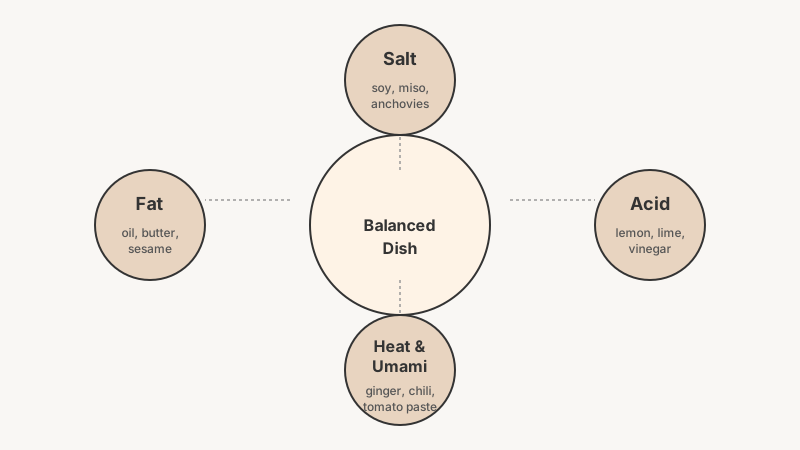
Every satisfying dish tends to balance four or five elements:
Fat — olive oil, butter, coconut oil, sesame oil. Fat carries flavor and creates texture. Don’t skimp.
Salt — not just table salt. Soy sauce, miso, anchovies, capers, and parmesan rinds are all salt sources that also add depth.
Acid — lemon juice, lime juice, white wine vinegar, apple cider vinegar. Acid brightens a dish that tastes flat. If something tastes muddy or heavy, the fix is usually a splash of acid, not more salt.
Heat or warmth — chili flakes, black pepper, ginger, horseradish, mustard. Not all heat is sharp; ginger adds warmth without aggression.
Sweetness or umami — a pinch of sugar, a spoonful of tomato paste, a dash of Worcestershire. These round out harsh edges.
When a dish tastes “off” but you’re not sure why, work through this list. Something is usually missing or out of balance. Most often it’s acid or salt.
Building a Dish From Scratch: A Practical Template
Rather than following a recipe, think in components:
- An aromatic base — Sauté onion, garlic, shallot, or leek in fat until soft. This alone makes your kitchen smell good and lays a flavor foundation.
- A starchy component — Rice, pasta, bread, potatoes, polenta, lentils, or canned beans. One of these gives the meal structure.
- A vegetable or protein — Whatever you have. Cabbage, carrots, frozen peas, eggs, tinned fish, leftover chicken, halloumi.
- A sauce or seasoning move — A can of tomatoes, a spoon of miso dissolved in water, soy and sesame, or even just good olive oil and lemon.
- A finish — Fresh herb, a squeeze of citrus, a handful of cheese, toasted nuts or seeds. This is what makes a meal feel complete rather than thrown together.
Apply this template and you can make dozens of different dishes without a single new recipe.
Cooking by Situation: What to Make When
Different pantry conditions call for different strategies. Here’s how to handle the most common scenarios.
When You Have Eggs
Eggs are arguably the most versatile single ingredient in any kitchen. Beyond scrambled eggs, they can do a lot:
- Frittata: Any vegetable (roasted, raw, or leftover), whisked eggs, cheese if you have it. Cooked stovetop and finished under the broiler. Dinner in 20 minutes.
- Egg fried rice: Day-old rice (fresher rice turns mushy), eggs, soy sauce, sesame oil, scallions or frozen peas. Classic for a reason.
- Shakshuka: Canned tomatoes, onion, garlic, cumin, paprika, and eggs poached directly in the sauce. Serve with bread or nothing at all.
- Simple pasta carbonara (pantry version): Eggs, pasta, hard cheese (parmesan or pecorino if you have it, aged cheddar in a pinch), black pepper, a little pasta water. No cream needed.
When You Have Canned or Dried Beans and Legumes
Canned beans are one of the most underused pantry staples. A can of chickpeas, black beans, or white beans can become:
- A quick curry: Chickpeas + canned coconut milk + curry powder + canned tomatoes + spinach (fresh or frozen). Done in 20 minutes.
- A hearty soup: White beans + any aromatics + canned tomatoes + pasta or bread on the side. Add a parmesan rind to the pot if you have one — it adds extraordinary depth.
- A rough dip or spread: Blended chickpeas, olive oil, lemon, garlic, and whatever spices you like. Not always exactly hummus, but always good on toast.
- Roasted for snacking: Drained, dried chickpeas tossed in oil and spices, roasted at high heat until crunchy. Surprisingly addictive.
Dried lentils (red or green) are even more useful than canned beans because they cook in 20–30 minutes without soaking. Red lentil dal with canned tomatoes, cumin, turmeric, and a finishing pour of tempered butter and garlic is one of the most reliable meals you can make from almost nothing.

If you want to skip the cans entirely and start from scratch, How to Cook Dried Beans from Scratch (The Right Way) walks you through soaking times and cooking ratios.
When the Fridge Is Almost Empty
A sparse fridge isn’t a crisis — it usually means it’s time to cook from the pantry’s deeper reserves. A few solid options:
- Pasta aglio e olio: Garlic, olive oil, chili flakes, pasta, pasta water. One of the great Italian dishes, and it costs almost nothing to make.
- Fried rice from frozen vegetables: Frozen peas, corn, or mixed vegetables + leftover rice + eggs + soy sauce. Fast, filling, and flexible.
- Toast with toppings: This sounds humble, but well-made toast — good bread, decent olive oil, mashed canned white beans, or a smear of nut butter with sliced banana — is a real meal.
- Oat-based savory porridge: Rolled oats cooked in broth (bouillon cube works fine) instead of water, topped with a fried egg and soy sauce. Sounds odd; tastes genuinely good.
When You Have Too Many Vegetables
An overloaded vegetable drawer is actually a good problem. The best tools:
- Roasting: High heat (around 200°C / 400°F), cut vegetables, olive oil, salt. Almost any combination of vegetables roasts well together if the sizes are similar. Roasted vegetables can become a side dish, a topping for pasta, a component of a grain bowl, or blended into a soup.
- A big stir-fry: High heat, a little oil, aromatics, vegetables cut small, soy sauce or oyster sauce to finish. This works with broccoli, cabbage, carrots, snow peas, bell peppers, mushrooms — nearly anything.
- Soup: The most forgiving format. Sweat aromatics, add whatever vegetables you have, add stock or water and a bouillon cube, simmer until soft, blend or leave chunky. A spoon of miso, a squeeze of lemon, or a swirl of cream lifts it at the end.
- Pickling: Vegetables that are getting soft but aren’t bad yet — cucumber, carrot, radish, red onion — can be quickly pickled in equal parts vinegar and water with a pinch of sugar and salt. Ready in an hour, lasts a week in the fridge, and makes simple dishes taste much more interesting.
The Pantry Staples Worth Always Having
You don’t need a vast or expensive pantry to cook well with what you have. A core set of perhaps 20–25 items covers most situations:
Grains and pasta: Rice (short and long grain if possible), pasta in two or three shapes, rolled oats, breadcrumbs.
Legumes: Canned chickpeas, canned white beans, canned black beans, red lentils, green or brown lentils.
Canned goods: Whole or crushed tomatoes, coconut milk, a tin or two of fish (sardines, tuna, or anchovies).
Flavor builders: Olive oil, neutral oil, soy sauce, fish sauce or Worcestershire, apple cider vinegar, miso paste (lasts months in the fridge), dried chili flakes, cumin, coriander, smoked paprika, turmeric, bay leaves.
Refrigerator basics: Eggs, butter, parmesan or a hard cheese, a fermented condiment (hot sauce, kimchi, capers).
Aromatics to keep stocked: Garlic, onions, and a knob of fresh ginger. These are the backbone of more cuisines than you’d think.
None of these are exotic or expensive. They just need to be there.

Frequently Asked Questions
What can I make when I have literally nothing but pasta, garlic, and olive oil?
Pasta aglio e olio is the answer — and it’s a genuinely great dish, not a consolation meal. Sauté thin-sliced garlic slowly in a generous amount of olive oil until it’s just golden (not brown), add chili flakes if you have them, toss with al-dente pasta and a splash of the starchy cooking water to emulsify. Finish with parsley or whatever herb you have. Parmesan on top if possible.
How do I keep vegetables from going bad before I use them?
A few habits help significantly: store herbs upright in a glass of water (like flowers) covered loosely with a bag; keep leafy greens dry — moisture is what causes them to rot fastest; store tomatoes at room temperature (fridge ruins their texture); and move anything close to turning to a visible spot at the front of the fridge. When something is very close to the edge, pickle it or add it to a frittata that night.
Can frozen vegetables really substitute for fresh in most dishes?
In cooked applications — soups, stews, stir-fries, fried rice, curries — yes, largely. Frozen vegetables are typically blanched before freezing, so they cook quickly and hold their flavor well. They don’t work as raw salad ingredients or anywhere texture is the point (a fresh cucumber salad, for example), but for almost everything that goes in a pan or pot, they’re a genuine substitute.
What’s the quickest way to add depth to a dish that tastes flat?
Check these in order: Is it salty enough? Is there an acid element? (A squeeze of lemon or a dash of vinegar does a lot.) Is there enough fat? A dish that has all three but still tastes one-dimensional often benefits from a umami hit — a spoon of soy sauce, miso, tomato paste, or a few finely chopped anchovies that melt into the background.
How do I know if something is still good to eat?
Smell and visual inspection are your main tools. Mold on hard cheese can be cut away (at least 1–2 cm around the visible mold); soft cheeses should be discarded. Slightly wilted vegetables are often still fine cooked. Eggs can be tested by floating in water — a fresh egg sinks flat, an older egg tilts upward, and an egg that floats fully should be discarded. With tinned, jarred, and dried goods, trust the best-before date as a guide but use your senses; many last considerably longer if stored correctly.
Putting It Together
Cooking with what you have isn’t a compromise — it’s a skill that produces better meals than anxiously following a recipe with half the ingredients missing. The core habit is looking before you plan: audit your zones, identify what needs to be used, then apply a flavor framework rather than hunting for a perfect recipe.
Over time, the more you cook this way, the more intuitive it becomes. You stop seeing “nothing to eat” and start seeing components. A can of tomatoes, some garlic, a bit of pasta, and an egg is not an empty kitchen. It’s dinner.
Sources
- https://www.seriouseats.com/how-to-make-perfect-pasta-aglio-e-olio
- https://www.thekitchn.com/how-to-make-a-frittata-cooking-lessons-from-the-kitchn-172691
- https://www.foodnetwork.com/how-to/packages/food-network-essentials/how-to-make-egg-fried-rice
- https://www.seriouseats.com/shakshuka-for-one
- https://www.thekitchn.com/quick-pickled-vegetables-256255
- https://www.foodsafety.gov/keep-food-safe/foodkeeper-app