Plastic Wrap Without the Frustration: Stop It Sticking to Itself
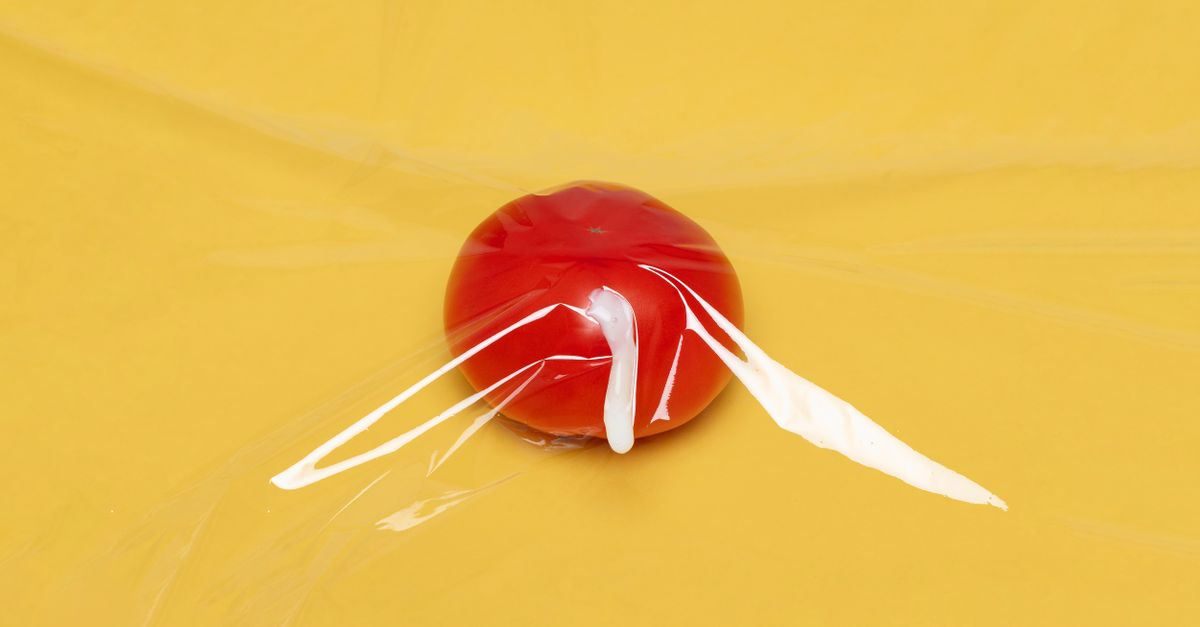
Plastic wrap is one of those kitchen tools that works brilliantly — until it doesn’t. The moment it folds back on itself, you’re stuck pinching at a translucent blob, trying to find the edge, watching the whole roll turn into a crinkled mess. The fix isn’t buying a better brand. It’s mostly technique, storage, and a couple of small adjustments to how you handle the roll.
Why Plastic Wrap Clings to Itself in the First Place
Plastic wrap sticks because it is designed to. Most cling film is made from low-density polyethylene (LDPE) or, less commonly now, PVC. Both materials develop a mild static charge as you pull them from the roll, and that charge makes them seek out the nearest surface — including themselves. The thinner the wrap, the more prone it is to this. That is why a cheap, ultra-thin wrap tends to fold back on itself the second it escapes the box, while a thicker commercial grade is more forgiving to handle.
Humidity plays a role too. Dry air in a heated kitchen amplifies static, which is why wrap seems more difficult to use in winter than in summer. Cold temperatures also stiffen some films, making them less pliable and harder to pull flat.
Core Technique: How You Pull and Cut Makes Most of the Difference
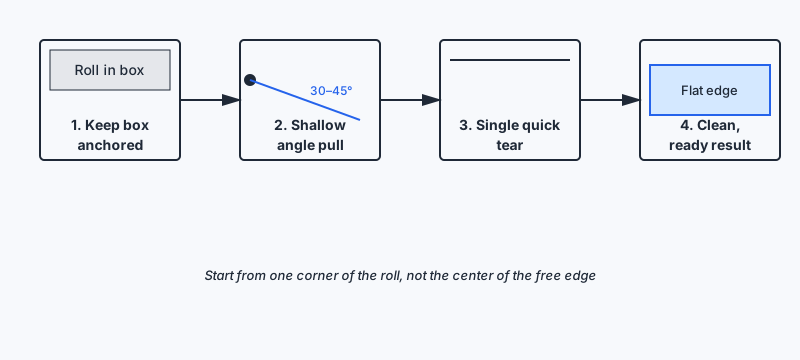
Keep the roll in the box. Cling wrap boxes have a serrated or metal cutting strip for a reason. Pulling from the box keeps tension in the film and gives you something to tear against. Pulling from a loose roll with no anchor is the single biggest cause of uncontrolled tangling.
Pull at a shallow angle. Hold the box firmly against the counter with one hand, and unroll with the other at roughly a 30 to 45 degree angle away from the box. A steep, upward pull lets the free edge flap and fold back. A shallow pull keeps the film flat and under light tension.
Tear with a single quick motion. A slow, tentative tear gives the film time to collapse onto itself. A sharp, decisive tear against the serrated edge takes less than a second and leaves a clean edge that lies flat.
Work from the left (or right) edge outward. Instead of grabbing the center of the free edge, start the pull at one corner of the roll. This keeps the sheet from billowing in the middle.
Storing the Roll: Small Changes, Big Results
Where and how you store plastic wrap matters more than most people realize.
Keep it cold. A refrigerator-cold roll is stiffer and less aggressively clingy than a room-temperature one. Many professional kitchens store wrap in the fridge or a cool drawer for exactly this reason. Cold film still clings to the bowl or plate just fine — it just does not collapse onto itself as readily before you get it there.
Avoid direct heat. A drawer next to the oven, or a cabinet above the stove, can warm the roll enough to make the film extra sticky. Move it somewhere cooler.
Pin the free edge before you put the roll away. This is the small habit that prevents the most frustration. After tearing a sheet, press the free edge of the remaining film flat against the roll before you close the box. Next time you reach for it, the edge peels away cleanly rather than requiring a search-and-pry operation.
Wrapping Leftovers Without Disaster: The Actual Process
Even with good technique, some containers are awkward. Here is how to match the method to what you are covering.
Bowls and round containers
Pull a length roughly one and a half times the diameter of the bowl. Lay the center of the sheet over the middle of the bowl first, then smooth the sides down and under the rim. Trying to place one edge first and then stretch across is where things usually go wrong — the overhanging side gets blown by a draft or your own arm movement and folds under itself.
Irregular or wide dishes
For a roasting pan or a wide casserole, pull two overlapping pieces rather than trying to stretch one enormous sheet across. Overlap them by a couple of centimeters in the middle. Two controlled pieces beat one unwieldy one every time.
Individual items (cut fruit, cheese, raw meat)
Place the item near one edge of the sheet, not in the center. Roll the item forward, tucking the sides as you go. Starting near an edge gives you a shorter surface area to manage before you get the first wrap around the item, which acts as an anchor for the rest.
What to Do When It Has Already Stuck to Itself
A tangled wad is not necessarily wasted. If the mess is small — a fold of an inch or two — try peeling from a corner with a fingernail at an angle. Pulling straight apart just stretches the film thinner and makes it harder to find the layer boundary. Going in at an angle separates the layers.
If the tangle is large, wet your fingertips very slightly. A tiny amount of moisture reduces the static charge just enough to find and peel the edge. This also works as a preventive step: running very slightly damp fingers along the free edge of the roll before you pull helps keep it flat while you position it.
A full, unrecoverable knot is genuinely wasted — tear it off and start fresh. Spending two minutes trying to unsnarl a bad tangle is rarely worth it.
When Plastic Wrap Is Not the Right Tool
Some surfaces and containers are poor matches for cling film, and recognizing them saves a lot of effort.
- Oily surfaces. Oil kills cling. A bowl that had salad dressing in it, or a piece of meat coated in marinade, will not hold plastic wrap at the rim. Either dry the rim with a paper towel first, or switch to a lidded container.
- Very hot food. Most plastic wraps should not be pressed onto steaming food. Beyond any question of heat tolerance, the steam condenses, creates a slippery layer, and the wrap falls off. Let food cool to warm or room temperature first.
- Containers without a flat rim. Flared or textured rims give cling film nothing to grip. A reusable silicone cover or a plate set on top is a better choice.
If you are rethinking plastic use in the kitchen altogether, Easy Ways to Reduce Plastic at Home: 30 Practical Swaps offers plenty of alternatives beyond just cling wrap.
Frequently Asked Questions
Why does plastic wrap stick to my hand but not to the bowl?
Skin is warm, slightly moist, and generates a stronger charge differential than a cool ceramic or glass surface. When the film touches your hand, it latches on immediately. Cooling your hands briefly under cold water and drying them lightly can reduce this enough to make a noticeable difference during wrapping.
Does chilling the roll really work, or is it a myth?
It genuinely helps, though the effect varies by film type and how cold the roll gets. Cold reduces static charge and slightly stiffens the film, making it easier to handle before it touches the target surface. It is not a perfect fix, but it is one of the most consistent tricks reported by people who wrap food frequently.
Can I use wax paper instead to avoid the sticking problem entirely?
Wax paper does not cling, which makes it easy to handle but also means it will not seal against a bowl rim on its own. It works well as a direct surface cover when placed on top of food inside a container before you put the lid on, but it is a different tool rather than a drop-in replacement for cling film.
Why is the cutting edge on my box leaving ragged tears?
Metal or serrated plastic strips dull or clog over time, especially if the roll was ever stored in a damp environment. If the cut is consistently ragged, try wiping the edge dry, or replace the roll and transfer it to a quality dispenser with a fresh blade. A clean cut leaves a straight edge that is much easier to start next time.
Is there a cling wrap that is easier to handle than standard LDPE film?
Thicker films marketed for commercial or heavy-duty use tend to behave more predictably than the thinnest consumer grades, because the extra stiffness gives you a half-second of control before the static takes over. Beeswax wraps are a reusable fabric alternative that molds with hand warmth rather than static — they have their own learning curve but eliminate the tangling problem almost entirely.