How to Create a Relaxing Home Spa Environment

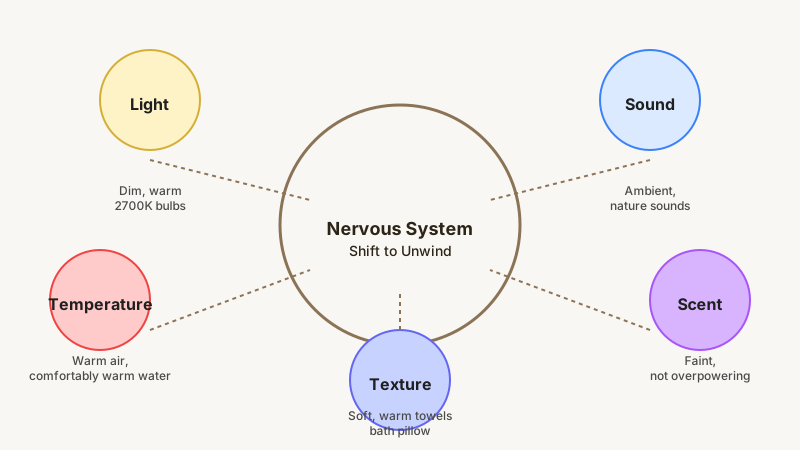
You don’t need a marble bathroom or a five-figure renovation to make your home feel like a retreat. A relaxing home spa environment is really about controlling a handful of sensory inputs — light, sound, temperature, scent, and texture — so your nervous system gets the signal that it’s safe to unwind. The principles are the same in a cramped studio apartment and in a house with a proper soaking tub. What changes is scale, not the idea.
Below is a practical, room-by-room approach you can adapt to whatever space and budget you have.
Start With Why a Home Spa Actually Works
Relaxation isn’t purely psychological. When you lower harsh lighting, warm the air, and cut background noise, you’re reducing sensory load on the body. Warm water in particular has measurable effects: soaking in a warm bath before bed can help your core temperature drop afterward, which supports the natural cool-down that precedes sleep. A well-cited review in Sleep Medicine Reviews found that a warm bath or shower one to two hours before bedtime was associated with falling asleep faster.
The takeaway for building your home spa environment: you’re not just decorating. You’re stacking small cues that tell your body to shift out of “go” mode.

Set the Scene: Light, Sound, and Air
Kill the overhead light
Bright, cool-white ceiling light is the enemy of relaxation. It mimics midday sun and keeps you alert. Swap it out — or just turn it off and use alternatives:
- A dimmer switch is the single best upgrade if you own your home.
- Warm-white LED bulbs (look for a lower color temperature, around 2700K) feel like candlelight.
- Battery candles or real candles on a heatproof surface add flicker and depth. If you use real flame, never leave it unattended, especially near water and fabric.
- A small salt lamp or a plug-in warm night light works in rentals where you can’t touch the wiring.
Control the soundscape
Silence can feel tense; the right sound feels like a cushion. Options that work well:
- Instrumental or ambient playlists (no lyrics, so your brain doesn’t follow words).
- Nature sounds — rainfall, ocean, a stream.
- A small tabletop fountain, which doubles as gentle white noise and humidity.
If your household is noisy, a white-noise machine or a fan does more for relaxation than any candle.
Get the air right
Warm, slightly humid air reads as “spa.” A hot shower running for a minute before you get in warms the room. In dry climates, a humidifier softens the air and protects your skin. Crack a window afterward so moisture doesn’t feed mold — ventilation matters as much as humidity.
Build Your Sensory Toolkit
This is where a home spa environment gets personal. Pick a few elements rather than buying everything at once.
Scent, used carefully
Scent is the fastest route to a mood shift because smell connects directly to the brain’s emotional centers. Common relaxing choices include lavender, chamomile, bergamot, and cedarwood.
A few honest cautions:
- Essential oils are potent. Never apply undiluted oils directly to skin, and don’t add them straight to bathwater without a carrier or dispersant — oil floats and can irritate sensitive areas. The National Association for Holistic Aromatherapy recommends proper dilution for topical use.
- Pets are vulnerable. Many essential oils, including tea tree and some citrus and pine oils, are toxic to cats and dogs, especially through diffusers in closed rooms. If you have pets, check the ASPCA’s guidance before diffusing anything.
- Less is more. A faint scent relaxes; an overpowering one gives people headaches.
If oils feel fussy, a quality scented candle or a bundle of fresh eucalyptus tied to the showerhead delivers 80% of the effect with none of the dilution math.

Texture and warmth
Spas feel luxurious largely because everything you touch is soft and warm. Cheap wins here:
- Warm your towels on a radiator, in the dryer, or over a heated rack.
- Keep one dedicated “good” robe and set of towels that you only use for this ritual — it signals occasion.
- A bath pillow or rolled towel behind your neck changes a bath from awkward to blissful.
- A non-slip mat matters more than it sounds; feeling unsteady undoes any calm.
Water, the centerpiece
If you have a tub, this is your anchor. Keep the water comfortably warm rather than scalding — very hot water can leave you lightheaded and dries out skin. Epsom salt is a popular soak; the magnesium-sulfate claims are largely anecdotal, but many people find a warm salt bath soothing regardless.
No tub? A home spa works fine as a shower ritual. Add a shower steamer, use a body scrub, and finish with a cool rinse. The sequence — warm, exfoliate, cool, moisturize — is what makes it feel deliberate.
Design a Space That Resets Easily
The hardest part of a home spa isn’t the setup. It’s keeping the space inviting instead of letting it fill with laundry and clutter.
Contain the essentials
Use a single tray or basket to hold your spa items — candle, oil, salts, a rolled towel. When you want to unwind, you carry one thing into the room and you’re done. When you’re finished, everything goes back on the tray. Visual order is calming; a messy counter is not.
Clearing the clutter that tends to pile up around sinks and cabinets gets much easier once you work through How to Declutter Your Home Step by Step (That Actually Works).
Add life, keep it low-maintenance
A plant or two makes a bathroom feel alive. Choose species that tolerate humidity and low light — pothos, snake plant, and ferns are forgiving. Real eucalyptus and greenery beat plastic every time for the sensory payoff.
Create a wind-down corner beyond the bathroom
Your spa doesn’t have to be a bathroom at all. A comfortable chair, a soft blanket, warm light, and a pot of herbal tea make a legitimate relaxation zone in any room. Pair it with a screen-free rule for 20–30 minutes. Blue light and doomscrolling work directly against the calm you’re trying to build.

If you want to extend that calm beyond bath time, How to Create a Relaxing Evening Routine That Actually Works shows how to carry the same unhurried mood into the rest of your evening.
A Simple Home Spa Ritual to Follow
Environment is the stage; the ritual is the play. Here’s a repeatable flow you can shorten or extend:
- Prep the room. Turn off overhead lights, start the fountain or playlist, light a candle, and run the shower briefly to warm the air.
- Set an intention or just a timer. Give yourself a real block — even 20 minutes — with your phone in another room or on Do Not Disturb.
- Cleanse. Warm shower or bath. Exfoliate if you like the sensation.
- Treat. A face mask, a hair oil, or simply lying back and breathing slowly. Slow breathing — a longer exhale than inhale — actively nudges your nervous system toward rest.
- Moisturize while skin is damp. Lotion or oil seals in water and extends that soft-skin feeling.
- Cool down and rehydrate. Herbal tea or water, dim light, and no immediate return to screens.
Do this consistently and your brain starts to associate the space with relaxation, so the calm arrives faster each time.
Budget-Friendly Swaps That Punch Above Their Price
You can spend a lot on spa gear. You rarely need to.
- Warm-white bulb instead of a full lighting overhaul.
- Fresh eucalyptus from a grocery store instead of a diffuser system.
- A wooden cutting board as a bath caddy.
- Rolled towels instead of a bought bath pillow.
- A free ambient playlist instead of a sound machine.
Some products mentioned here — oils, salts, humidifiers — are sold by many retailers, and articles like this sometimes use affiliate links; buy based on need, not hype.
When to Be Cautious
A home spa is low-risk, but a few situations deserve care. Very hot baths aren’t recommended during pregnancy or for people with certain heart or blood-pressure conditions. If you feel dizzy, get out slowly. Anyone with skin conditions, allergies, or respiratory sensitivities should patch-test new products and introduce scents gradually. When in doubt, check with a qualified professional before adding anything new to your routine.
The Real Point
A relaxing home spa environment is a habit you build, not a product you buy. Dim the light, warm the air, quiet the noise, and give yourself uninterrupted time. Start with two or three changes this week — a warm bulb, a scent you like, a tray to keep it tidy — and let the ritual grow from there. The best home spa is the one you’ll actually use.