Simple Marinades for Chicken: 7 Recipes That Actually Work

A good marinade does two things: it adds flavor and, when built right, helps the chicken stay juicy through the heat of a pan or grill. The problem is that most recipes overcomplicate it — a dozen ingredients, overnight soaks, exotic pantry items you’ll use once. The seven formulas below are genuinely simple, built from everyday components, and each one produces a noticeably different result on the plate.
What a Marinade Actually Does (and Doesn’t Do)
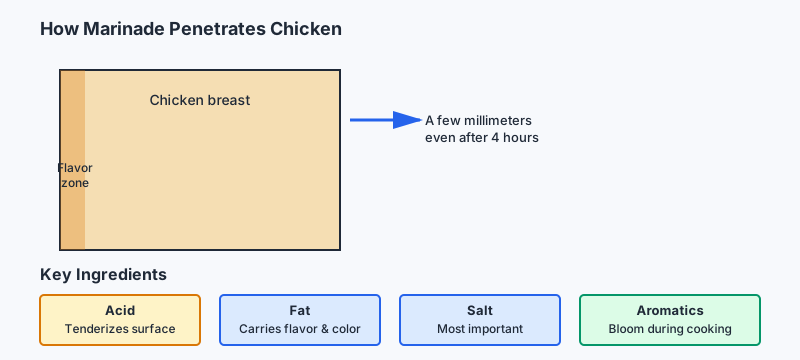
Before the recipes, a quick reality check. Marinades work on the surface of the meat. Chicken breast, for example, is dense — an acidic marinade penetrates only a few millimeters even after several hours. That means flavor lives in the crust and the coating, not deep in the flesh. This is not a flaw; it’s just the physics. Knowing this changes how you think about ingredients:
- Acid (citrus juice, vinegar, yogurt, buttermilk) tenderizes the surface and helps seasoning cling
- Fat (oil, coconut milk) carries fat-soluble flavor compounds and promotes browning
- Salt is the single most important ingredient — it seasons from the outside in and draws moisture to the surface, which later helps with caramelization
- Aromatics (garlic, ginger, onion, herbs) infuse the coating with volatile compounds that bloom during cooking
One thing marinades don’t reliably do: make a dry, overcooked piece of chicken moist again. Technique still matters.
How Long Should You Marinate Chicken?
For most of these recipes, 30 minutes to 4 hours is the sweet spot. Beyond 8 hours in a highly acidic marinade, the surface proteins begin to denature and the texture turns mushy — particularly with lemon juice or vinegar. Yogurt-based marinades are gentler and can go overnight without damage. Thighs tolerate longer times better than breasts.

The 7 Simple Chicken Marinades
1. Classic Lemon-Herb
This is the default weeknight option — bright, Mediterranean in spirit, versatile enough for a grill, oven, or cast-iron pan.
Ingredients (for 500g / 1 lb chicken):
- 3 tablespoons olive oil
- Juice of 1 large lemon (about 3 tbsp)
- 3 cloves garlic, minced
- 1 teaspoon dried oregano
- 1 teaspoon dried thyme
- ½ teaspoon salt
- Black pepper to taste
Method: Whisk together and coat the chicken. Marinate 30 minutes to 4 hours. Grill or pan-sear over medium-high heat.
Why it works: The lemon acid brightens the flavor; the oil carries the herb aromatics and prevents sticking; the garlic caramelizes beautifully at high heat.
2. Soy-Ginger-Sesame (Asian-Inspired)
This one punches above its weight. It’s savory, slightly sweet, and produces gorgeous dark color on the outside of the chicken.
Ingredients:
- 3 tablespoons soy sauce
- 1 tablespoon sesame oil
- 1 tablespoon honey or brown sugar
- 1 tablespoon fresh ginger, grated
- 2 cloves garlic, minced
- 1 teaspoon rice vinegar
Method: Combine, marinate 1–3 hours. Cook on a hot grill or under a broiler. Watch closely — the sugar in this marinade can burn if heat is too aggressive.
Tip: Reserve a tablespoon of the marinade before adding chicken, then brush it on during the last minute of cooking for extra glaze.
3. Yogurt-Spice (Inspired by Tandoor Cooking)
Yogurt marinades are a fundamentally different category. The lactic acid is mild, so they work more slowly and gently — which is why they’re used with long marinating times in South Asian cooking without destroying texture.
Ingredients:
- ½ cup plain full-fat yogurt
- 1 teaspoon cumin
- 1 teaspoon smoked paprika
- ½ teaspoon turmeric
- ½ teaspoon chili powder (adjust to taste)
- 2 cloves garlic, grated
- 1 teaspoon fresh ginger, grated
- ½ teaspoon salt
- Juice of half a lemon
Method: Score chicken thighs with a knife for deeper penetration. Coat thoroughly and marinate 4–24 hours. Cook under a broiler, on a grill, or in a very hot oven (220°C / 425°F). The yogurt chars slightly at the edges — that’s the goal.
4. Honey-Mustard
Simple, sticky, family-friendly. The Dijon provides acidity and emulsifies the marinade so it clings evenly.
Ingredients:
- 2 tablespoons Dijon mustard
- 2 tablespoons honey
- 1 tablespoon apple cider vinegar
- 1 tablespoon olive oil
- ½ teaspoon garlic powder
- Salt and pepper
Method: Whisk until smooth. Marinate 30 minutes to 2 hours. Bake at 200°C / 400°F or grill on medium heat. The honey caramelizes into a lacquered crust.
5. Chipotle-Lime
Smoky, earthy, with genuine heat from chipotle peppers in adobo sauce — a pantry staple worth keeping around.
Ingredients:
- 2 chipotle peppers in adobo sauce, minced (plus 1 tsp of the sauce)
- Juice of 2 limes
- 2 tablespoons olive oil
- 2 cloves garlic, minced
- 1 teaspoon cumin
- ½ teaspoon salt
Method: Blend or whisk together. Marinate 1–4 hours. Excellent on thighs — grill or cook in a cast-iron skillet. Use leftovers in tacos or grain bowls.
6. Buttermilk (The Southern Fry/Bake Base)
If you’re frying or baking coated chicken, buttermilk is the foundation. The mild acid tenderizes without degrading texture, and the liquid base helps flour or breadcrumbs stick.
Ingredients:
- 1 cup buttermilk
- 1 teaspoon salt
- 1 teaspoon garlic powder
- 1 teaspoon paprika
- ½ teaspoon black pepper
- Optional: a few dashes of hot sauce
Method: Combine, submerge chicken pieces, marinate 4–12 hours (or up to 24 hours). Remove, dredge in seasoned flour or breadcrumbs, then fry or oven-bake. The buttermilk residue helps the coating bond and turn golden.

If you don’t have any on hand, Buttermilk Substitute: 6 Easy Methods That Actually Work shows several easy ways to whip up a stand-in for this marinade.
If you’re marinating with buttermilk specifically to fry afterward, our guide Crispy Fried Chicken at Home: The Stovetop Method walks through the whole process from soak to golden crust.
7. Balsamic-Garlic
Balsamic vinegar brings natural sweetness alongside its acidity, which means you need very little added sugar — if any. It pairs especially well with bone-in chicken pieces.
Ingredients:
- 3 tablespoons balsamic vinegar
- 2 tablespoons olive oil
- 3 cloves garlic, minced
- 1 teaspoon Dijon mustard
- 1 teaspoon dried rosemary (or fresh, chopped)
- Salt and pepper
Method: Whisk together. Marinate 1–4 hours. Roast at 200°C / 400°F or cook on a grill pan. The balsamic reduces and concentrates during cooking into a dark, slightly sticky glaze.
Practical Tips for Better Results
Use a zip-lock bag or glass container. Avoid metal bowls — the acid in the marinade can react with reactive metals and leave a metallic taste. Plastic bags are efficient because the marinade coats every surface without needing to be stirred.
Pat the chicken dry before cooking — mostly. If you want a good sear, gently pat the surface before putting it in the pan. Excess liquid causes steaming instead of browning. For yogurt or buttermilk marinades, leave a thin coating on the surface.
Never reuse marinade as a sauce without cooking it first. Raw chicken leaves behind bacteria. If you want a sauce, reserve a portion before the chicken goes in, or bring the used marinade to a full rolling boil for at least one minute before serving.
Bring chicken to room temperature before cooking. Take it out of the fridge 20–30 minutes before it hits the heat. Cold chicken dropped into a hot pan drops the surface temperature dramatically, slowing browning and increasing the chance of uneven cooking.
Season again after marinating. Taste the marinade before using it and always check seasoning on the cooked chicken. A pinch of flaky salt at the end brings everything into sharper focus.

Once you’ve mastered marinating, How to Roast a Whole Chicken: Crisp Skin Starts With Prep is a natural next step for getting great results with a whole bird.
Scaling, Storing, and Making Ahead
All seven of these marinades scale easily — just multiply proportionally. You can make a batch of marinade a day in advance and keep it in a sealed jar in the refrigerator. The flavors often improve slightly after sitting overnight.
For meal prep, you can freeze chicken directly in the marinade. Place raw chicken in a freezer bag, add the marinade, seal, and freeze. As the chicken thaws in the refrigerator (usually overnight), it marinates at the same time — a genuine two-for-one. This works especially well with the soy-ginger, lemon-herb, and balsamic-garlic versions.
Avoid freezing yogurt and buttermilk-based marinades — the dairy separates when thawed, producing an unpleasant texture. Marinate those fresh.
Conclusion
None of these marinades require specialty equipment or a trip to a specialty store. They’re built on pantry staples — acids, oils, aromatics, and salt — combined in ratios that balance flavor without any single element dominating. Start with the lemon-herb if you want the most forgiving entry point. Move to the yogurt-spice or chipotle-lime once you want more depth. From there, the logic of a good marinade becomes intuitive: fat, acid, salt, flavor. Four elements, endless combinations.