How to Store Fresh Ginger: Why It Shrivels On The Counter

Fresh ginger is one of those ingredients that sits awkwardly between a spice and a vegetable. You buy a chunky knob for a stir-fry, use an inch of it, and then wonder what to do with the rest. Left on the counter, it shrivels within days. Stuck carelessly in the fridge, it can mold or dry out before you get back to it. The good news: stored correctly, a single piece of ginger can stay usable for weeks or even months.
Here’s a practical breakdown of every storage method worth using — with the trade-offs spelled out so you can pick the one that fits how you actually cook.
Why Fresh Ginger Goes Bad So Quickly
Fresh ginger root is high in moisture. That moisture is exactly what makes it fragrant and easy to grate — and it’s also why improper storage kills it fast. Exposure to air causes the cut surface to dry and harden. Too much humidity in a sealed container causes mold. Warm temperatures accelerate both.
The skin acts as a natural barrier, so an uncut, whole knob of ginger lasts considerably longer than a piece that’s already been broken or sliced. Once you’ve cut into it, the clock starts ticking faster, and your storage method needs to compensate.

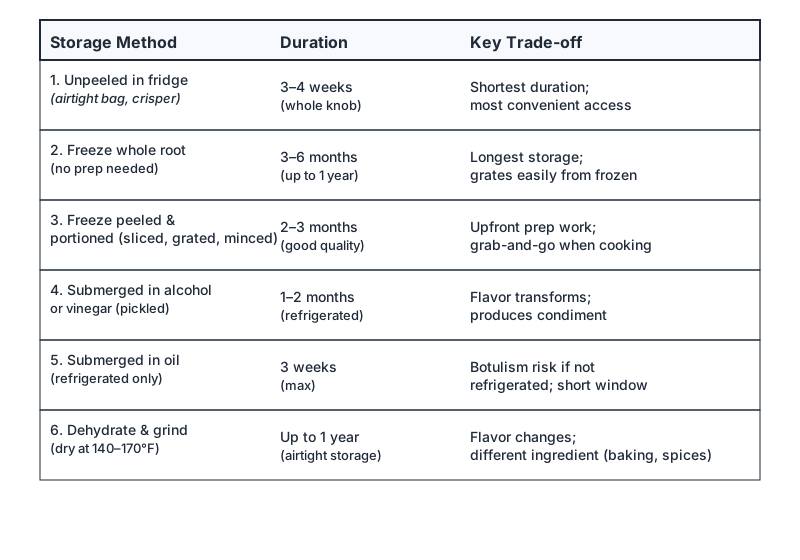
6 Methods to Store Fresh Ginger
1. Store Unpeeled in the Refrigerator (The Everyday Method)
For most home cooks, this is the go-to move. Place the whole, unpeeled ginger knob in a resealable zip-lock bag or an airtight container. Press out as much air as possible before sealing. Put it in the crisper drawer.
How long it lasts: Up to 3–4 weeks for a whole, uncut knob. A cut piece will last 1–2 weeks if the exposed end is wrapped tightly in plastic wrap or pressed against a paper towel to absorb excess moisture before going into the bag.
Why it works: The skin prevents moisture loss. Reducing air exposure slows oxidation and mold formation. The crisper drawer maintains a slightly higher humidity than the rest of the fridge, which suits root vegetables well.
Pitfall to avoid: Don’t store ginger in an open bag or loose in the fridge. It will dehydrate and become fibrous faster than you’d expect.
2. Freeze the Whole Root (Best for Long-Term Storage)
Freezing is arguably the most underrated ginger storage trick. Take the whole, unpeeled knob and drop it directly into a freezer bag. That’s genuinely all there is to it.
When you need ginger, take the frozen root out and grate it directly — skin and all — on a microplane or fine grater. The skin grates away almost invisibly, and the frozen flesh grates far more easily than fresh ginger does at room temperature. You get a fine, fluffy pile of ginger with almost no fibrous strings, which is a legitimate upgrade in texture.
How long it lasts: 3–6 months without meaningful quality loss. Some cooks report using frozen ginger up to a year in, though the aroma does gradually fade.
Why it works: Freezing halts microbial activity and enzymatic degradation. The cell walls do break down with freezing, which is why thawed ginger becomes soft and mushy — but if you grate it from frozen and use it immediately, that’s never an issue.
Pitfall to avoid: Don’t thaw and refreeze repeatedly. Portion it before freezing if you use small amounts.
3. Freeze Peeled, Sliced, or Grated Ginger (Portioned for Convenience)
If you want to skip the prep step when you’re cooking, spend ten minutes now doing it all at once.
- Sliced: Peel and slice into coins, freeze flat on a parchment-lined baking sheet, then transfer to a freezer bag once solid.
- Grated: Grate the peeled ginger, portion into teaspoon-sized mounds on a baking sheet, freeze solid, then bag them. Pull out exactly as much as a recipe calls for.
- Minced: Same process as grated.
How long it lasts: 2–3 months at good quality. Pre-processed ginger has more surface area exposed to air, so it loses potency faster than a frozen whole root.
Pro tip: Silicone ice cube trays work well for freezing grated ginger in measured portions. One cube can represent one tablespoon, which matches most recipe quantities directly.

4. Submerge in Alcohol or Vinegar (Pickled or Preserved)
This method comes from Japanese and Korean culinary traditions and serves a dual purpose: it preserves the ginger and produces a condiment worth eating on its own.
Alcohol preservation: Peel and slice or leave in chunks. Place in a sterilized glass jar and cover completely with a neutral spirit — vodka or dry sherry both work. Seal and refrigerate.
- How long it lasts: Several months in the refrigerator.
- The ginger retains its fresh flavor remarkably well. The alcohol itself picks up ginger flavor and becomes a useful cocktail or cooking ingredient.
Pickling with vinegar: Thinly sliced ginger submerged in a sweet rice vinegar brine (the same basic formula used for Japanese gari — the pink pickled ginger served with sushi) will keep for 1–2 months refrigerated. The flavor transforms significantly into something tangy and slightly sweet, so this is better for using as a condiment than as a cooking ingredient when you want the raw ginger flavor.
What to watch for: The jar must be properly sterilized, and the ginger must be fully submerged. Any piece exposed to air can develop mold.
5. Submerge in Oil (Use with Caution)
Storing garlic or herbs in oil is popular, and ginger can technically be treated similarly. Peel, chop or slice the ginger, and cover it with a neutral oil like sunflower or light olive oil in a sealed container in the refrigerator.
It keeps for about 3 weeks and gives you ginger-infused oil as a bonus.
Critical safety note: Storing low-acid vegetables and herbs submerged in oil at room temperature creates conditions favorable for Clostridium botulinum growth, which causes botulism: the oil seals out air, and the ginger inside it is not acidic enough to stop the bacterium. Always keep oil-submerged ginger in the refrigerator and use within 3 weeks. Never store it at room temperature.
6. Dry or Dehydrate (Changes the Flavor Profile)
Dried ginger is a different ingredient from fresh — the drying process concentrates some compounds while volatilizing others, resulting in a spicier, more pungent product with less of the citrusy brightness fresh ginger has. Ground ginger from a jar is not a substitute for fresh in most recipes, and vice versa.
That said, if you have excess ginger and a dehydrator (or an oven set to its lowest temperature, around 140–170°F / 60–75°C), you can slice it thin, dry it for several hours until brittle, and grind it yourself. Homemade dried ginger often has a more vivid flavor than commercial ground ginger.
How long it lasts: Properly dried and stored in an airtight container away from light and heat, up to a year.
Best use case: Baking, spice blends, tea, or any recipe that specifically calls for ground ginger.

Once your ginger is dried, How to Store Spices Right and Keep Their Flavor will help you keep that concentrated flavor from fading in storage.
Peeling Tips That Make Storage Easier
A spoon edge — not a vegetable peeler — is the best tool for peeling ginger. The skin follows all the knobby contours without wasting the flesh underneath. Use the bowl of a spoon and scrape in short strokes.
If you plan to freeze ginger whole and grate it from frozen, you don’t need to peel it at all. The skin grates right along with the flesh on a microplane with no impact on flavor.
For pickling or oil submersion, always peel first — the skin can harbor bacteria and affects the texture of the finished product.
How to Tell if Ginger Has Gone Bad
Fresh ginger that’s still good will be firm, with taut skin and a strong, aromatic smell when you nick the surface. Watch for:
- Soft or mushy spots: A sign of moisture damage or rot. If the soft spot is small, you can cut it away and use the rest — just like with other root vegetables.
- Mold: Visible mold (fuzzy white, green, or black growth) means discard the piece entirely, or at minimum cut well beyond the affected area. Mold on porous foods can have root tendrils that reach deeper than the visible surface.
- Blue-gray discoloration inside: Unpeeled ginger that’s been frozen and thawed sometimes shows this, but it’s cosmetic and the ginger is still usable.
- Dry, fibrous texture with little smell: The ginger is not spoiled but has lost most of its useful flavor. It’s unlikely to add much to cooking.
- Wrinkled, papery skin with hard flesh: Severely dehydrated. Not dangerous, but past its prime.
Which Method Should You Use?
The right storage method depends on how you cook:
| How you use ginger | Best method |
|---|---|
| Frequently, a little at a time | Fridge in airtight bag |
| Occasionally, large amounts | Freeze whole |
| Want grab-and-go convenience | Freeze grated in portions |
| Want a condiment too | Pickle in vinegar brine |
| Baking or spice blends | Dehydrate and grind |
For most people, the simplest upgrade is just committing to the freezer. Buy a large knob of ginger, put it in a freezer bag, and grate from frozen every time you need it. You’ll waste less, spend less, and the quality at the moment of use is genuinely comparable to fresh.
If you’re looking to store other root vegetables long-term alongside your ginger, Root Cellar Storage: How to Preserve Fresh Vegetables explains how a cool, dark space can keep them fresh for months.
A Note on Buying for Storage
When buying ginger to store, look for a knob that’s firm throughout with smooth, thin skin — not wrinkled or soft. Younger ginger (sold at farmers markets in late summer in temperate climates) has thinner skin, less fiber, and a milder heat. Mature ginger, which is what most supermarkets sell year-round, is more pungent and fibrous but stores longer.
Organic and conventional ginger store identically — the method matters far more than the certification.
Conclusion
Fresh ginger doesn’t have to be something you buy, use once, and watch wither. With a good storage method in place, a single knob can serve you across a dozen meals. The refrigerator is reliable for short-term use; the freezer handles long-term with zero sacrifice in cooking performance. Pickling and alcohol preservation give you useful byproducts alongside the ginger itself.
Pick one method that matches your cooking rhythm and stick with it. The biggest waste is indecision — ginger left on the counter while you figure out what to do with it.