How to Store Fresh Produce to Extend Shelf Life

Fresh produce is expensive, and watching it go soft or moldy before you get to eat it is genuinely frustrating — not to mention wasteful. The difference between a bunch of herbs that lasts three days versus three weeks, or strawberries that mold overnight versus staying firm for five days, almost always comes down to a few specific storage decisions. This guide covers those decisions methodically, surface by surface and produce type by produce type.
Why Produce Goes Bad (and What You Can Control)
Most fresh produce deteriorates through three main pathways: moisture loss, ethylene gas exposure, and microbial growth. Understanding which pathway is the biggest threat for any given item tells you exactly how to fight it.
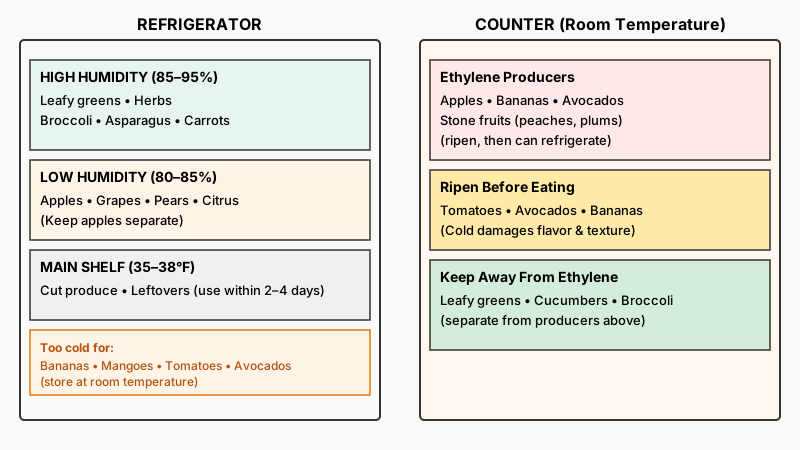
Ethylene gas is a ripening hormone emitted naturally by certain fruits — apples, bananas, avocados, and stone fruits are heavy producers. Other produce (leafy greens, cucumbers, broccoli) is highly sensitive to ethylene. Keep producers away from sensitive items and you slow ripening dramatically.
Moisture is a balancing act. Most vegetables want high humidity (85–95%) to stay crisp, while most fruits prefer moderate humidity (80–85%). The crisper drawers in your refrigerator are designed for exactly this — use the humidity sliders if you have them.
Temperature matters more than most people realize. The refrigerator’s main shelf (around 35–38°F / 2–3°C) is too cold for some tropical produce: bananas, mangoes, tomatoes, and avocados suffer chill injury at those temperatures, which turns them mealy or black.

The Refrigerator: Zones, Drawers, and Rules
High-Humidity Drawer (Vegetables)
Set one crisper drawer to high humidity and fill it with leafy greens, herbs, broccoli, cauliflower, green beans, asparagus, and carrots. These vegetables respire and wilt quickly in dry air. A few specific tips:
- Leafy greens and salad leaves: Wash, spin dry, and wrap loosely in a clean paper towel before sealing in a container or zip bag. The paper towel absorbs excess moisture that would otherwise cause sliminess.
- Fresh herbs (soft — basil excluded): Treat them like cut flowers. Trim the stems, place them in a glass with an inch of water, cover loosely with a plastic bag, and refrigerate. Parsley, cilantro, and chives stored this way last two to three weeks.
- Asparagus: Trim the woody ends, stand the spears upright in a jar with a small amount of water (like the herb trick), and refrigerate uncovered or lightly tented. They stay firm far longer than bundles stuffed in a bag.
- Carrots: Remove any green tops (which draw moisture from the root) and submerge in a container of cold water, changing it every few days. Carrots stored dry in a bag go limp within a week; in water, they stay crunchy for several weeks.
- Broccoli and cauliflower: Leave them unwashed in a loose plastic bag — don’t seal it. Washing before storage accelerates mold.
If leafy greens are the main thing wilting on you, our dedicated guide How to Store Leafy Greens So They Stay Crisp Longer dives deeper into keeping them crisp.
Low-Humidity Drawer (Fruits)
Set the second drawer to low humidity for apples, grapes, cherries, pears, figs, and citrus. These fruits release moisture and need some airflow to avoid rotting. Key notes:
- Apples: Heavy ethylene emitters. Keep them away from all other produce or store them in their own sealed bag inside the low-humidity drawer.
- Grapes: Store unwashed on the vine in a ventilated container. Washing beforehand breaks down the waxy coating that protects them.
- Citrus: Fine on the counter for up to a week, but the refrigerator extends life to three to four weeks. Don’t seal them airtight.
Main Shelf
Leftovers and cut produce belong here. Once you cut any fruit or vegetable, the clock accelerates — exposed flesh oxidizes, dries out, and picks up bacteria quickly. Store cut produce in airtight containers and use within two to four days.
Counter Storage: What Should Never See the Fridge
Several common produce items are actively harmed by refrigeration. Store these at room temperature until ripe:
- Tomatoes: Cold kills the enzymes that create flavor and turns the texture mealy. Store stem-side down at room temperature. Refrigerate only if fully ripe and you can’t eat them within a day or two — then eat them soon.
- Bananas: Cold blackens the peel and stops ripening. If you want to slow a ripe banana, the refrigerator is fine after it reaches peak ripeness (the peel will discolor but the fruit inside stays edible for several more days).
- Avocados: Ripen at room temperature. Once ripe, you can hold them in the fridge for a day or two. A cut avocado is best with the pit left in the half you’re not eating, wrapped tightly — oxygen is what browns the flesh, not air exposure alone. A brush of lemon or lime juice on the cut surface also helps.
- Mangoes, papayas, and other tropical fruits: Chill injury at refrigerator temperatures degrades their texture. Let them ripen on the counter, then move them to the fridge if needed.
- Garlic, onions, and potatoes: These want cool, dark, dry conditions — a pantry or cupboard, not the refrigerator. Onions and potatoes stored together is one of the most common mistakes: onions emit gases that make potatoes sprout faster. Keep them in separate, ventilated bins.
- Winter squash: Room temperature, out of direct sunlight. They keep for weeks or months depending on the variety.
- Basil: Unlike other herbs, basil is cold-sensitive and turns black in the refrigerator. Keep it on the counter in a glass of water at room temperature.

Preparation and Pre-Treatment Tricks That Actually Work
Washing Strategy
The general rule: wash right before eating, not before storing. Water on the surface of produce creates an environment where mold and bacteria thrive. The exceptions are produce you plan to dry thoroughly (like salad greens, which you spin dry and wrap in paper towels as described above).
Berries deserve special attention. Strawberries, blueberries, and raspberries mold quickly because of their surface moisture and delicate skin. A white vinegar wash — one part white vinegar to three parts water, soak for a minute, rinse, and dry thoroughly before storing — kills surface mold spores and can extend berry life by three to five days. This is one of the better-validated home produce tricks.
Ethylene Management
Store ethylene producers (apples, pears, avocados, stone fruits) away from ethylene-sensitive items (kale, broccoli, spinach, cucumbers). In practice this means keeping a fruit bowl away from your vegetable crisper drawers, and not placing bananas next to your salad greens on the counter.
If you want to speed up ripening, put an unripe avocado or banana in a paper bag with an apple overnight. The trapped ethylene gas will accelerate ripening by a day or two.
Blanching Before Freezing
If you have produce you won’t use in time, freezing is an excellent fallback — but blanching first makes a significant difference in quality. Brief blanching (30 seconds to 3 minutes depending on the vegetable) in boiling water, followed by an ice bath, deactivates the enzymes that cause color and texture degradation in the freezer. Blanch and freeze broccoli, green beans, peas, corn, and spinach. Berries freeze well without blanching; just spread them on a tray first so they freeze individually before bagging.
Storage Tips for Specific Produce That Often Gets Wasted
Mushrooms: Avoid the plastic clamshell. Transfer them to a paper bag in the refrigerator — paper breathes, plastic traps moisture and accelerates sliminess. Don’t wash them; brush off dirt with a dry paper towel.
Celery: Store whole stalks wrapped tightly in aluminum foil in the refrigerator. This sounds unusual but it works — foil allows ethylene to escape while preventing moisture loss. Celery stored this way stays crisp for two to four weeks.
Fresh ginger: Refrigerate unpeeled in a zip bag with the air pressed out, or freeze it whole. Frozen ginger grates even more easily than fresh, directly from the freezer.
Scallions/green onions: Stand them upright in a glass of water on the counter (or in the fridge). They’ll stay fresh for over a week and will actually continue to grow.
Corn on the cob: Use it fast — corn starts converting its sugars to starch within hours of being picked. If you can’t eat it the day you buy it, refrigerate it unhusked and use within two days.
Fresh berries: After the vinegar wash and thorough drying, store them in a single layer on a paper-towel-lined container with the lid slightly ajar for airflow.

For produce you’ve already chopped up, check out How to Store Cut Vegetables and Keep Them Fresh to avoid losing it to the trash.
Organizing Your Storage to Reduce Food Waste
Even perfect storage conditions fail if you lose track of what you have. A few organizing habits pay off:
- FIFO (First In, First Out): When restocking, put new produce behind older items. This sounds obvious but most people do the reverse.
- Eye-level visibility: Keep the most perishable items at eye level in the fridge so they don’t get buried and forgotten.
- The “use me first” zone: Designate a specific spot — one shelf or a small bin — for produce approaching the end of its life. Everything in that zone gets priority in your next meal.
- Don’t overfill the crisper: Overcrowding reduces airflow, which raises humidity unevenly and accelerates spoilage.
Frequently Asked Questions
Should I poke holes in the bags I use to store vegetables?
For most vegetables, a few small holes or a slightly loosened seal helps — it allows ethylene gas to escape while retaining some humidity. Fully sealed bags trap gas and can speed deterioration. The exception is leafy greens, where a sealed bag (with a paper towel inside) keeps humidity high enough to prevent wilting.
Does storing produce in glass containers really make a difference?
Glass tends to be more airtight than most reusable plastic containers, which matters for cut produce and berries. It also doesn’t absorb odors or residues that can accelerate spoilage. Whether it’s worth the cost and weight is a personal call, but for extending the life of prepped vegetables, quality airtight glass containers do outperform flimsy plastic bags.
Why do my avocados turn brown so fast after cutting?
The browning is oxidation triggered by exposure to air, not simply moisture. Leaving the pit in doesn’t meaningfully reduce browning on the exposed flesh — it only protects the area directly under the pit. The most effective methods are pressing plastic wrap directly against the cut surface (eliminating air contact) and adding a thin coat of lemon or lime juice, which is mildly acidic and slows oxidation.
Can I store potatoes in the fridge?
Generally no. Cold temperatures convert potato starch into sugars, which causes the potatoes to taste sweeter than expected and can also produce higher levels of acrylamide when the potatoes are fried or roasted at high heat. Store potatoes in a cool, dark, well-ventilated place — ideally between 45–55°F (7–13°C), which is cooler than most kitchens but warmer than a fridge.
What’s the single most impactful thing I can do to reduce produce waste?
Don’t wash produce until you’re ready to eat it. Moisture at the surface is the fastest way to invite mold and bacterial growth. Beyond that, the second biggest lever is ethylene management — keeping apples, bananas, and stone fruits away from vegetables and delicate items like berries.
The Practical Takeaway
Properly storing fresh produce isn’t complicated once you understand the underlying logic: control moisture, manage ethylene, and respect each item’s temperature tolerance. The fridge isn’t universally better than the counter; washing isn’t universally better than not washing; and airtight isn’t universally better than ventilated. The right answer depends on the specific item.
Start with two habits if you want the biggest immediate impact: stop washing produce before storing it, and move your apples to their own bag away from everything else. From there, the surface-specific tips above are easy to layer in gradually — and the reduction in waste you’ll see is genuinely satisfying.