Best Ways to Store Fresh Herbs (So They Actually Last)

Fresh herbs are one of those ingredients that can make or break a dish — a handful of bright cilantro or a few sprigs of tarragon can do more for a plate than an extra pour of wine. The frustrating part is how quickly they collapse. Buy a bunch of parsley on Monday and by Thursday you’re throwing away a slimy mess. This guide covers the storage methods that genuinely work, why each one fits certain herbs and not others, and a few tricks that most cooks overlook.
Why Fresh Herbs Go Bad So Quickly
Most fresh herbs are mostly water — basil, for example, is roughly 92% water by weight. Once cut from the plant, the stems can no longer draw moisture from soil, so the leaves begin to desiccate. At the same time, enzymes and naturally occurring bacteria accelerate decay, especially when herbs are packed tightly in a bag with no airflow and exposed to condensation.
There’s a second problem specific to cold-sensitive herbs: chilling injury. Basil stored below about 50°F (10°C) turns black and mushy. The cold doesn’t just slow the decay — it actually triggers cellular damage. That’s why a single storage rule can’t cover every herb, and why it matters to know which category your herb falls into.
If you want to get the most out of your herbs before storage even comes into play, our guide How to Select and Prepare Fresh Herbs for Cooking covers picking the freshest bunches and prepping them properly.
Two Categories: Tender vs. Hardy
The single most useful distinction when storing fresh herbs:
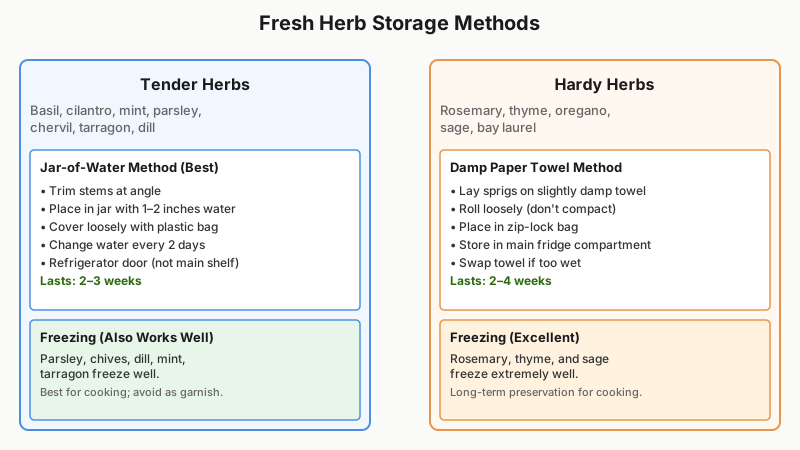
- Tender herbs — basil, cilantro, mint, parsley, chervil, tarragon, dill. Soft stems, delicate leaves, relatively short shelf life.
- Hardy herbs — rosemary, thyme, oregano, sage, bay laurel. Woody stems, low moisture content, much longer shelf life.
This split determines almost everything: whether they go in the fridge, how they’re wrapped, and whether freezing makes sense.

The Jar-of-Water Method (Best for Tender Herbs)
This is the single most effective technique for extending the life of tender herbs, and it’s also the most underused. Treat your herbs like cut flowers:
- Trim about half an inch off the bottom of the stems at an angle.
- Place the bunch in a glass or jar with an inch or two of cool water.
- Cover loosely with a plastic bag or a reusable produce bag.
- Store at room temperature for basil, or in the refrigerator door (the warmest part of the fridge) for parsley, cilantro, mint, tarragon, and dill.
- Change the water every two days.
With this method, parsley and cilantro routinely last two to three weeks. Basil kept on the counter at room temperature (never refrigerated) will hold for about a week to ten days this way, compared to two or three days in a plastic bag in the fridge.
Why the refrigerator door? It’s typically 35–40°F warmer than the back of the main shelf, which helps avoid the condensation and chilling damage that shorten herb life.
One overlooked detail: remove any yellowed or damaged leaves before placing herbs in the jar. Deteriorating leaves release ethylene gas and accelerate decay across the whole bunch.
The Damp Paper Towel Method (Reliable for Hardy Herbs)
Hardy herbs don’t need access to standing water the way tender herbs do — they have lower water content and can actually rot if kept too wet. The better approach:
- Lay the herb sprigs on a slightly damp paper towel.
- Roll them up loosely — don’t press down or compact them.
- Place the roll inside a zip-lock bag or an airtight container, leaving a little air inside.
- Store in the main compartment of the refrigerator.
Rosemary, thyme, and sage stored this way will last two to four weeks. The paper towel absorbs excess moisture while the slight dampness prevents the herbs from desiccating. If the towel feels very wet after a day or two, swap it out.
For oregano and bay leaves, you can skip the moisture entirely and simply store them loosely in an airtight container in the fridge — their low water content means they’re actually moving toward a dried state, which doesn’t hurt their flavor.

Freezing Fresh Herbs: When It Works and When It Doesn’t
Freezing gets a bad reputation because people freeze the wrong herbs or use the wrong technique. Done correctly, it’s one of the best long-term preservation methods.
Herbs That Freeze Well
- Parsley
- Chives
- Dill (especially for cooking, not garnish)
- Mint
- Tarragon
- Rosemary, thyme, and sage (all excellent for freezing)
- Basil (with a caveat — see below)
Herbs That Don’t Freeze Well
Delicate garnish herbs lose their texture when frozen — the water in their cells expands, ruptures the cell walls, and the result is limp and darkened. Don’t freeze herbs you plan to use raw as a garnish: chervil, fresh dill fronds meant for plating, and large basil leaves for salads.
The Ice Cube Method
For herbs you’ll add to cooked dishes, the ice cube method is extremely practical:
- Chop or blend the fresh herbs.
- Pack them into an ice cube tray — about one tablespoon of herb per cell.
- Fill each cell with water, olive oil, or melted butter.
- Freeze solid, then transfer the cubes to a labeled freezer bag.
Oil-based herb cubes (particularly basil in olive oil) are excellent — just drop a cube into a hot pan when you’re starting a sauce or soup. Each cube holds a measured, ready-to-use portion. Herb cubes keep well for three to six months in the freezer.
Basil note: Basil turns black quickly when frozen with water. Blanching it for five seconds in boiling water, then immediately shocking it in ice water before freezing, slows the oxidation. Or blend it into olive oil and freeze that — the oil protects the color somewhat.
Whole Sprigs in the Freezer
Hardy herbs — rosemary, thyme, sage, bay — can be frozen as whole sprigs on a baking sheet (spread so they don’t touch), then transferred to a freezer bag once solid. Crumble directly from frozen into soups and braises. No thawing needed.
What About Drying Fresh Herbs?
Drying is worth mentioning, though it’s not a storage method in the same sense — it’s a conversion. Dried herbs have a completely different flavor profile and potency than fresh, and most fresh herbs lose delicate volatile oils in the drying process.
That said, drying works very well for oregano, marjoram, thyme, bay, rosemary, and sage — all herbs whose core flavor compounds are more heat-stable. It works poorly for basil, cilantro, chervil, and parsley, which taste flat or hay-like when dried.
If you grow your own herbs and have a surplus, air-drying by tying small bundles and hanging them upside down in a warm, dry place with good airflow takes about one to two weeks. A food dehydrator set to 95–115°F (35–46°C) produces better color retention and a faster result — typically four to eight hours.
A Few More Practical Tips
Don’t wash before storing. Wash herbs only right before you use them. Excess moisture on the leaves and stems accelerates mold and bacterial growth during storage. This one change alone noticeably extends shelf life.
Keep herbs away from ethylene-producing produce. Apples, pears, bananas, and stone fruits release ethylene gas, which speeds ripening and decay. Don’t store herbs near the fruit drawer.
Vacuum-sealed containers help. If you have a vacuum sealer, sealed herb bundles will last longer than anything in a zip-lock bag. Not essential, but useful if you buy in bulk.
Partial use: If you only need half a bunch of cilantro, try not to disturb the half you’re keeping. Handling and bruising leaves accelerates breakdown.
Label everything. Frozen herb cubes are almost indistinguishable from each other after a week. A strip of masking tape and a marker takes two seconds and saves a lot of confusion.

For more on keeping other perishables fresh alongside your herbs, check out How to Store Fresh Produce to Extend Shelf Life.
Matching the Method to the Herb: Quick Reference
| Herb | Best Storage Method | Fridge or Counter? | Shelf Life |
|---|---|---|---|
| Basil | Jar of water, uncovered | Counter (room temp) | 7–10 days |
| Parsley | Jar of water, bag over top | Fridge door | 2–3 weeks |
| Cilantro | Jar of water, bag over top | Fridge door | 1–2 weeks |
| Mint | Jar of water, bag over top | Fridge door | 1–2 weeks |
| Chives | Damp towel, airtight bag | Fridge | 1–2 weeks |
| Dill | Jar of water or damp towel | Fridge door | 1–2 weeks |
| Tarragon | Jar of water, bag over top | Fridge door | 1–2 weeks |
| Rosemary | Damp towel, airtight bag | Fridge | 2–4 weeks |
| Thyme | Damp towel, airtight bag | Fridge | 2–4 weeks |
| Sage | Damp towel, airtight bag | Fridge | 1–2 weeks |
| Oregano | Loose, airtight container | Fridge | 2–3 weeks |
Conclusion
There’s no single right answer for storing fresh herbs — the method depends on the herb, how soon you’ll use it, and how much you have. But the underlying logic is simple: protect moisture without creating the soggy, airless conditions that breed rot, keep cold-sensitive herbs away from refrigerator chill, and when you can’t use herbs in time, freeze them in a format that makes cooking easier later.
The jar-of-water method is the easiest win for most home cooks — parsley and cilantro that used to last three days will last three weeks. Start there, then layer in the freezer habits as they fit your cooking patterns. You’ll buy fewer herbs, waste less money, and have brighter flavors in your cooking every time.