How to Store Cut Vegetables and Keep Them Fresh

Cutting vegetables ahead of time is one of the smartest things you can do for weeknight cooking — until everything turns limp, brown, or slimy before you get to use it. The difference between vegetables that last five days and ones that last one usually comes down to a handful of storage decisions made in the first ten minutes after you pick up the knife.
This guide covers the science behind why cut vegetables spoil faster, the specific conditions each type needs, and the practical habits that will genuinely extend their shelf life.
Why Cut Vegetables Spoil Faster Than Whole Ones
When you cut into a vegetable, you break cell walls. That triggers two immediate problems:
Oxidation. Enzymes that were previously separated from oxygen-reactive compounds get mixed together. The result is browning — most visible in potatoes, avocado, and artichokes, but present in most vegetables to some degree.
Moisture loss and microbial entry. The cut surface loses moisture quickly and also gives bacteria and mold a direct entry point into the tissue. A whole carrot has a relatively impermeable skin; a sliced carrot has hundreds of exposed cells.
The core goals of proper storage are: slow the enzyme activity (cold temperature does this), limit oxygen exposure (airtight containers and water submersion help), and manage moisture (enough to prevent drying out, not so much that you’re encouraging rot).

For a broader look at keeping produce fresh before you even reach for the knife, check out How to Store Fresh Produce to Extend Shelf Life.
The Right Containers and Wraps for the Job
Not all storage vessels are equal. Here’s what actually works and why.
Airtight Containers (Glass or BPA-Free Plastic)
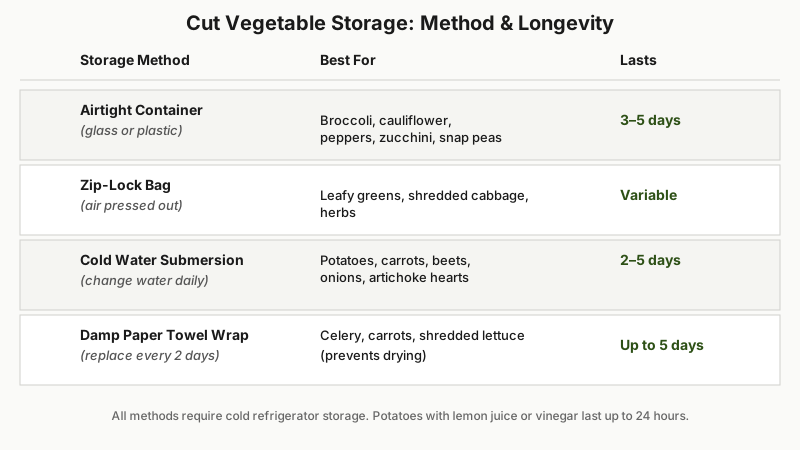
For most cut vegetables — broccoli, cauliflower, peppers, zucchini, snap peas — a sealed container is the best option. Glass containers are preferred because they don’t absorb odors and you can see exactly what’s inside without opening them. Wide, shallow containers are better than deep narrow ones because vegetables stack less and have more airflow when you do open them.
Leave a little headspace. Packing a container so tight that you have to compress the vegetables causes bruising, which accelerates decay.
Zip-Lock Bags with Air Squeezed Out
A good heavy-duty zip-lock bag with the air pressed out works nearly as well as a rigid container for many vegetables. It’s especially practical for leafy greens, shredded cabbage, and herbs. The key step most people skip: press the air out before sealing. Residual oxygen in a bag with cut vegetables is your enemy.
Damp Paper Towels
This one sounds counterintuitive — isn’t moisture the enemy? Not exactly. For vegetables that dry out quickly (cut celery, sliced carrots, shredded lettuce), wrapping in a lightly dampened paper towel before placing in a container or bag adds just enough humidity to prevent shriveling without creating a waterlogged environment. Replace the towel every two days.
Submersion in Cold Water
Some vegetables actually store best submerged in cold water. Cut potatoes, sliced beets, peeled and halved onions, and trimmed artichoke hearts all benefit from water storage because it blocks oxygen contact directly. Change the water daily. This method works for 2–4 days depending on the vegetable.
Vegetable-by-Vegetable Storage Guide
General rules only get you so far. Here are the specifics that matter most.
If you regularly buy vegetables in bulk and want options beyond the fridge, Root Cellar Storage: How to Preserve Fresh Vegetables explains how a cool, dark space can keep whole roots and tubers fresh for months.
Root Vegetables (Carrots, Parsnips, Beets)
Peel and cut, then submerge in a container of cold water in the refrigerator. Carrots sliced into sticks stay crisp this way for up to five days. Change the water every day or two. Beets can be stored the same way after cooking and slicing, though cooked beets will bleed color into the water — that’s fine, it doesn’t affect quality.
Cruciferous Vegetables (Broccoli, Cauliflower, Brussels Sprouts)
Cut into florets, pat dry, and store in a sealed container lined with a dry paper towel. The towel absorbs any excess moisture that forms. These vegetables release sulfur compounds as they age, so keeping them sealed also protects the rest of your fridge from absorbing off-odors. Properly stored, cut broccoli and cauliflower last 3–5 days.
Potatoes
Cut potatoes brown almost instantly — this is the oxidation reaction driven by an enzyme called polyphenol oxidase. Submerge cut pieces in cold water immediately. Add a squeeze of lemon juice or a small amount of white vinegar to further slow browning. Refrigerate and use within 24 hours for the best texture, though they’ll technically keep for up to 2 days. Don’t store them in water longer than that; they begin to get waterlogged and lose texture.
Peppers (Bell and Hot Varieties)
Sliced or diced peppers store very well — arguably the easiest cut vegetable to keep fresh. Remove seeds and membranes, store in an airtight container, and refrigerate. They hold their texture and flavor for 4–5 days without any special treatment beyond the container. No water, no damp towels needed.
Cucumbers and Zucchini
These are high-moisture vegetables that go soft quickly once cut. Store sliced cucumbers between layers of paper towel in a sealed container to manage the moisture they release. Zucchini slices stored loose in a container tend to get slimy by day two — the paper towel trick extends that to day three or four.
Leafy Greens (Romaine, Cabbage, Kale)
Chop or shred, then spin dry in a salad spinner. Excess moisture is the primary cause of slimy lettuce. Layer the dried greens in a container lined with a paper towel. Kale holds up particularly well and can last 5–7 days. More delicate lettuces like romaine are better at 3–4 days.
Onions and Garlic
Cut onions are notorious for transferring their pungency to everything nearby in the refrigerator. Store them in a tightly sealed glass container — plastic absorbs the smell permanently. Cut onions are fine for 3–5 days. Minced garlic, covered with a thin layer of olive oil in a small sealed jar, keeps for about a week in the refrigerator. (Note: never store raw garlic in oil at room temperature — this creates anaerobic conditions that can support Clostridium botulinum growth.)
Tomatoes
Here’s where many people go wrong: whole tomatoes should not be refrigerated, but cut tomatoes must be. Once cut, tomatoes need refrigeration to prevent bacterial growth. Store cut-side down on a small plate or in a sealed container. Use within 2–3 days. Accept that refrigerated tomatoes will lose some of their peak flavor — this is inevitable and preferable to food safety risk.

Temperature and Placement Inside the Refrigerator
Where you put things in the refrigerator matters more than most people realize.
The coldest zones in most refrigerators are the back of the main compartment and the lower shelves. The door is the warmest zone — temperature fluctuates every time you open it. Store cut vegetables on the main shelves, not in the door pockets.
The crisper drawer is designed to maintain slightly higher humidity than the main fridge compartment, which makes it ideal for many vegetables. Most modern refrigerators have two crisper drawers: one set to high humidity (for leafy greens and cruciferous vegetables) and one set to low humidity (for fruits, which produce ethylene gas). Keep cut vegetables away from ethylene-producing fruits — apples, pears, and avocados in particular. Ethylene accelerates ripening and softening in vegetables nearby.
The optimal refrigerator temperature for vegetable storage is between 35°F and 40°F (1.7°C–4.4°C). Below 32°F, many vegetables suffer chilling injury. Above 40°F, bacterial growth accelerates meaningfully.
Common Mistakes That Shorten Vegetable Life
Washing before storing without drying. Wet vegetables stored in containers create the perfect damp, enclosed environment for mold and bacterial growth. Always dry cut vegetables thoroughly — spin, pat, air-dry briefly — before sealing them up.
Using containers that are too large. A half-empty container holds more oxygen and leads to faster oxidation and drying. Use the smallest container that comfortably fits the vegetables, or add a damp paper towel as a spacer in an oversized container.
Forgetting to label. This sounds trivial, but unlabeled containers lead to forgotten leftovers pushed to the back of the fridge until they spoil. A strip of masking tape with the contents and the date takes five seconds and removes the guesswork about whether something is still good.
Storing everything the same way. Not every vegetable wants the same conditions — submerging peppers makes them soggy, while leaving cut potatoes exposed turns them brown within minutes. Match the method to the vegetable using the guide above rather than defaulting to one approach for the whole fridge.
Conclusion
Keeping cut vegetables fresh isn’t about a single trick — it’s about matching three variables to each vegetable: temperature, oxygen exposure, and moisture. Cold slows spoilage across the board, airtight containers or water submersion limit oxidation, and a dry (or lightly damp) environment preserves texture without inviting rot.
Get those right and most cut vegetables will comfortably last three to five days, turning a few minutes of prep into a week of faster, easier cooking. Start with the containers you already own, apply the vegetable-specific notes above, and adjust as you see what actually lasts in your own refrigerator.