How to Cook Pasta So the Sauce Actually Clings

Getting sauce to coat pasta rather than pool at the bottom of the bowl is not a mystery, but it does require a few deliberate choices — in the water, the timing, and the pan. Below is a practical walkthrough of what actually matters and why.
Start With the Right Pasta Surface
Not all pasta is created equal when it comes to sauce grip. The shape and texture of the pasta itself determine how much sauce has somewhere to hold on.
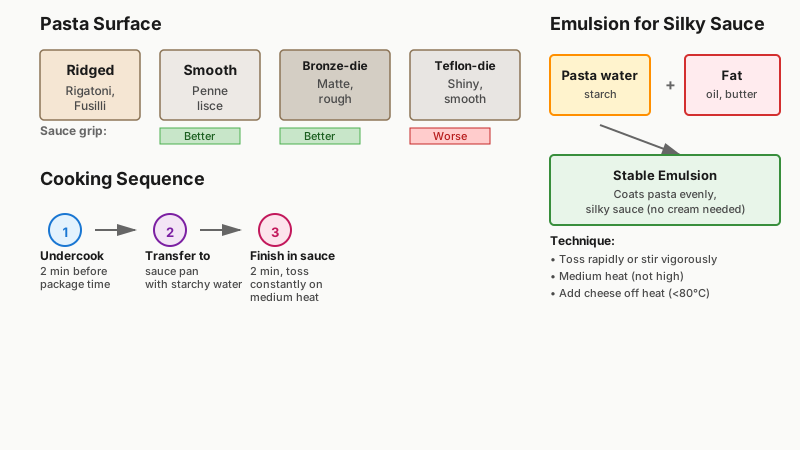
Ridged over smooth. Rigatoni, penne rigate, and fusilli all have ridged or spiral surfaces that trap sauce mechanically. Plain penne lisce (smooth penne) lets sauce slide right off. When you’re working with a chunky tomato or a ragu, always reach for the ridged version.
Extruded bronze-die pasta. Most artisan and high-quality supermarket dried pasta is extruded through bronze dies, which leave a slightly rough, matte surface. Mass-produced pasta extruded through Teflon dies comes out smooth and shiny. Pick up a box of each and compare — the difference is immediately visible. That roughness is not cosmetic; it gives the sauce micro-texture to grip.
Long pasta needs coating, not clinging. Spaghetti, linguine, and bucatini rely less on surface texture and more on emulsification in the sauce itself (covered below). Pairing the right pasta shape with the right sauce category makes a real difference: broad, flat pappardelle with ragu; thin spaghetti with oil-based or clam sauces; orecchiette with broccoli rabe or sausage that nestles in the cups.

Cook Pasta to Al Dente — Then Finish It in the Sauce
This is the single biggest habit change that transforms cling. Most home cooks drain pasta when it’s fully cooked and then ladle sauce over the top. That produces two separate things on a plate, not one unified dish.
Undercook by two minutes. Pull the pasta from the boiling water when it’s still slightly firm at the center — around two minutes before the package time. It will finish cooking in the sauce pan, absorbing flavor and softening to the right texture.
Transfer directly into the sauce. Use tongs or a spider strainer rather than draining into a colander. This keeps the pasta hot and damp, and crucially, it brings some starchy cooking water with it.
Finish over medium heat, tossing constantly. Add a splash of pasta water, toss briskly, and let the pasta cook for those remaining two minutes in the sauce. As the starch on the pasta’s surface hydrates and gels slightly, it creates a sticky, adhesive layer that bonds the pasta and sauce together.
If you want a deeper dive into timing and technique, our guide How to Cook Pasta Al Dente: The Exact Method covers the exact method for nailing that texture every time.
The Pasta Water Secret (It’s Real, Not Hype)
Pasta water is genuinely useful — but only if your pasta water is actually starchy. Water from a large pot with just two liters of water cooking a pound of pasta will be relatively dilute. Use a smaller pot, or slightly less water, so the starch concentration builds up. By the time the pasta is nearly done, good pasta water should look slightly cloudy and feel faintly slippery between your fingers.
Save at least a full cup before you drain or transfer. Add it to the sauce a few tablespoons at a time while you toss. The dissolved starch does two things:
- Thickens the sauce slightly, helping it coat the pasta rather than run off.
- Emulsifies fat into water, which is the mechanism behind silky cacio e pepe, carbonara, and aglio e olio — sauces that are essentially just fat, pasta water, and cheese or egg forming a creamy emulsion with no cream involved.
If you forget to save the water (it happens), a small pinch of cornstarch dissolved in a few tablespoons of plain water is an imperfect but functional substitute.
Build an Emulsion in the Pan
For creamy-style sauces and oil-based sauces, the goal is a stable emulsion — fat droplets suspended in the starchy water — that coats every strand or tube evenly. This is what separates a silky sauce from a greasy or watery one.
The technique: with the pasta in the pan, add pasta water and fat (olive oil, butter, rendered guanciale fat, whatever the sauce uses) together and toss rapidly over medium heat. Rapid tossing — or vigorous stirring if the pan is too heavy to toss — creates the mechanical agitation that forces fat and water to combine. Lowering the heat when you add cheese or egg prevents the sauce from breaking or scrambling.
Cheese needs to go in off the heat. Parmesan and Pecorino Romano melt into the sauce below about 80°C (175°F); above that they can seize into clumps. Pull the pan off the burner, add cheese, and toss. The residual heat is enough.

For more on turning pan drippings and starchy water into a silky finish, check out How to Make a Quick Pan Sauce in 5 Simple Steps.
Salt the Water Generously
This is mentioned everywhere, and for good reason: properly salted pasta water seasons the pasta itself from the inside. But there’s a less-discussed effect — salt slightly changes the texture of the pasta surface during cooking, making it fractionally more porous and adhesive. Most Italian cooking traditions aim for pasta water that tastes like lightly seasoned broth, which typically means around 1–1.5% salinity (roughly 10 grams of salt per liter of water).
Don’t be afraid of this amount. The pasta doesn’t absorb most of it; it absorbs the cooking water selectively, and the bulk of the salt stays in the pot.
Match Sauce Consistency to Pasta Shape
Even perfect technique won’t save a mismatch. A thin, brothy sauce on rigatoni will always slide off; a dense, chunky ragu on angel hair will clump and overwhelm the pasta. Some rough guidelines:
| Sauce type | Shapes that work |
|---|---|
| Chunky tomato, ragu, meat sauce | Rigatoni, penne, paccheri, pappardelle |
| Smooth, creamy, or emulsified | Spaghetti, linguine, fettuccine, tagliatelle |
| Pesto | Trofie, fusilli, trenette, linguine |
| Oil-based (aglio e olio, alle vongole) | Spaghetti, linguine, vermicelli |
| Light vegetable or broth-based | Orecchiette, small shells, ditalini |
Thicker sauces coat better. If a tomato sauce seems too loose, simmer it down before adding the pasta — or let the pasta finish cooking in it for longer so the sauce reduces around the pasta.
Don’t Rinse the Pasta
Rinsing cooked pasta under cold water removes the surface starch that makes sauce cling. It’s appropriate for cold pasta salads, where you want to stop cooking and prevent clumping. For a hot sauced dish, rinsing is counterproductive. Skip it entirely.

Common Mistakes That Kill Sauce Cling
- Draining too thoroughly. A little pasta water clinging to the pasta as you transfer it is a feature, not a problem.
- Mixing pasta and sauce in a cold bowl. Sauce solidifies and separates in a cold vessel. Warm your serving bowl with a splash of the pasta water before plating.
- Adding oil to the pasta water. This coats the pasta’s surface with fat before the sauce ever touches it, preventing adhesion. It doesn’t actually prevent clumping — tossing or timing does.
- Cooking the pasta too far in advance. Pasta sitting in a colander for ten minutes dries out, forms a skin, and loses its starchy surface. If you must wait, keep it in a little pasta water.
- Using too much sauce. A modest amount of well-emulsified sauce coats beautifully. Excess sauce becomes a puddle.
Frequently Asked Questions
Why does sauce always slide off smooth pasta shapes?
Smooth surfaces like plain penne lisce give sauce almost nothing to grip mechanically. Switching to ridged, spiral, or textured pasta — or ensuring your sauce is well-emulsified and slightly thickened — solves the problem.
Does the brand or quality of dried pasta really matter for sauce cling?
Yes, meaningfully. Bronze-die extruded pasta has a rougher surface than Teflon-extruded pasta. Brands like De Cecco, Rummo, and Garofalo are widely available examples that use bronze dies; the packaging or marketing often notes it. The surface difference is visible and tactile.
My emulsified sauce (like cacio e pepe) always turns gummy or greasy — what’s going wrong?
Gummy usually means too much starch or too little fat; greasy means the emulsion broke, typically from too much heat or not enough agitation. Pull the pan off the heat before adding cheese, keep adding pasta water in small increments, and toss constantly. Temperature control is the main lever.
Can I fix sauce that’s already too thin and sliding off at the table?
Not easily once it’s plated, but in the pan: reduce the sauce further before adding pasta, or stir in a small amount of pasta water and let it cook down for another minute or two. A tiny knob of cold butter tossed in off the heat (a technique called “mantecare”) also thickens and enriches a sauce quickly.
Does fresh pasta behave differently from dried?
Fresh pasta is more porous and delicate; it absorbs sauce faster and can become mushy if overcooked. It pairs best with lighter, butter- or cream-based sauces that don’t need a long emulsification process. Dried pasta’s firmer starch structure holds up better to the active tossing needed for emulsified sauces.