How to Cook Pasta Al Dente: The Exact Method

What “Al Dente” Actually Means
The phrase al dente is Italian for “to the tooth” — and that tells you everything. Properly cooked pasta should offer a faint resistance when you bite through it, a slight firmness at the core rather than a soft, yielding chew all the way through. It is not crunchy or raw-tasting. It is not mushy. It is a specific texture that sits right between those two failure points.
That core of firmness matters beyond texture. Starch granules at the center of an al dente noodle are still partially ungelatinized, which means they digest more slowly and produce a lower glycemic response compared to overcooked pasta. This is a real physiological difference, not just culinary preference.
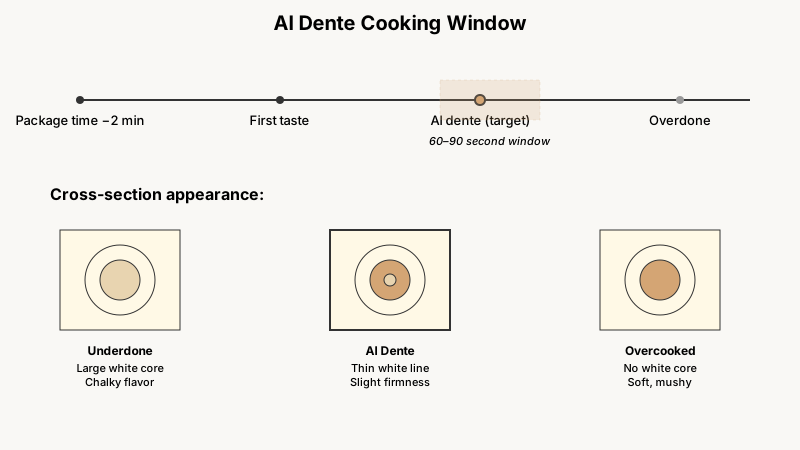
The challenge is that the window between underdone and overdone is often only 60 to 90 seconds wide, especially with thinner shapes like spaghetti or linguine. Miss it and the pasta turns soft and bloated. Getting it right every time is a matter of method, not luck.
The Right Setup Before Water Hits the Stove
Choose the Correct Pot
Use a large pot — at least 4 to 5 liters of water for every 400 g (about 14 oz) of dried pasta. Crowding pasta in too little water drops the temperature sharply when you add it, and the pasta can clump and cook unevenly. A wide, tall pot gives the noodles room to move freely.
Salt the Water Generously
Salt the boiling water before adding pasta. The standard recommendation among professional cooks is roughly 10 g of salt per liter of water (about 1.5–2 teaspoons of kosher salt per quart). The water should taste noticeably salty — not ocean-level, but clearly seasoned.
Salt raises the boiling point of water very slightly, but that is not why you do it. You salt the water to season the pasta from the inside as it absorbs liquid. Saucing a bland noodle afterward never fully compensates.
Bring to a Full, Rolling Boil
Do not add pasta to simmering water. Wait until the surface is actively churning — a full boil. This keeps the pasta moving, which prevents sticking and ensures even cooking from the moment it goes in.

Cooking Pasta to Al Dente: Step by Step
Step 1: Ignore the Package Time (Mostly)
The time printed on the package is a reference point, not a verdict. Most brands list the time for fully tender pasta, which is typically 1 to 2 minutes past al dente. Start checking the pasta 2 minutes before the minimum package time and judge by tasting, not by the clock.
For example, if the packet says 9–11 minutes, pull a piece at 7 minutes and bite through it. Look for a thin white or pale line at the very center of the cut cross-section. That is residual ungelatinized starch. If you see a visible white core, give it another minute. If the cross-section is uniform all the way through, it is already past al dente.
Step 2: Stir Early and Often
In the first two minutes, pasta is at its stickiest — surface starches are dissolving into the water. Stir immediately after adding pasta to the pot, and again every 30 to 60 seconds for the first few minutes. After that, occasional stirring is enough.
Step 3: Taste, Taste, Taste
This is not optional. Professional pasta cooks taste every batch. Pull a single noodle, let it cool for two seconds so you do not burn your mouth, and bite through the thickest part. You are looking for:
- Resistance without rawness
- No white chalkiness in flavor (a raw floury taste means it needs more time)
- A slight spring when you bite — the noodle should not collapse under your teeth immediately
Step 4: Reserve Pasta Water Before Draining
Before you drain, scoop out at least one full cup of the starchy cooking water. This liquid is genuinely useful — it emulsifies sauces, thins them without diluting flavor, and helps pasta and sauce cling together. Many people skip this and regret it when their sauce pools at the bottom of the bowl.
Step 5: Drain Quickly, Do Not Rinse
Drain the pasta immediately once it hits al dente. Every second in the hot water continues the cooking. Transfer straight to your sauce or a warm pan.
Do not rinse pasta with cold water unless you are making a cold pasta salad. Rinsing washes away surface starch, which is exactly what helps sauce adhere to each strand or piece.

Finish the Pasta in the Sauce
Here is a step that separates competent pasta from genuinely good pasta: finish cooking in the sauce.
Drain the pasta 1 to 2 minutes before you would normally serve it — while it is still slightly underdone. Transfer it directly into the pan with your simmering sauce, add a splash of pasta water, and toss over medium heat for 60 to 90 seconds. The pasta absorbs the sauce, the starch thickens everything slightly, and the noodle reaches its final texture in the coating rather than sitting there passively.
This technique is standard in Italian restaurant kitchens and is why restaurant pasta often tastes more cohesive than home-cooked versions made the same way. The noodle and sauce become a single thing, not separate components stacked on each other.
Once you’ve mastered al dente timing, the next skill to learn is why the marriage of pasta and sauce matters just as much, a topic covered in How to Cook Pasta So the Sauce Actually Clings.
Al Dente Times by Pasta Shape
Different shapes cook at different rates. Here are rough tasting windows for common dried pasta shapes (checking 2 minutes early is still the rule):
| Shape | Typical Package Time | Check At |
|---|---|---|
| Spaghetti (standard) | 8–10 min | 6–7 min |
| Penne rigate | 10–12 min | 8–9 min |
| Rigatoni | 12–14 min | 10–11 min |
| Farfalle (bow ties) | 10–12 min | 8–9 min |
| Fettuccine (dried) | 9–11 min | 7–8 min |
| Linguine | 8–10 min | 6–7 min |
| Orecchiette | 11–13 min | 9–10 min |
Fresh pasta is different entirely — it cooks in 2 to 4 minutes and goes from perfectly done to overcooked very fast.
Common Mistakes That Kill the Texture
Cooking in too little water. The temperature drop when you add pasta crowds the noodles and causes uneven, gluey cooking.
Not salting adequately. Under-salted water produces bland, flat-tasting noodles no sauce can fix.
Covering the pot after adding pasta. The pot can boil over, and steam encourages mushy cooking. Keep the lid off once the pasta is in.
Adding oil to the cooking water. A popular myth, adding oil coats the pasta surface and prevents sauce from adhering. Skip it entirely.
Walking away. The al dente window is narrow. Pasta cooking is not the right moment to prep something else across the kitchen. Stay close and taste.
Letting pasta sit after draining. Pasta continues cooking from residual heat even off the stove. Move it immediately.

Altitude and Water Temperature
If you live above roughly 1,500 meters (about 5,000 feet), water boils at a lower temperature — around 95°C (203°F) instead of 100°C (212°F). This means pasta takes noticeably longer to cook than the package suggests. At high altitude, add 2 to 3 extra minutes to your testing window and taste more frequently. The structural cues — resistance, no raw flavor, no white core — remain your best guide regardless of the clock.
A Quick Word on Pasta Quality
The method above works for any dried pasta, but the starting material matters. Bronze-die-extruded pasta (often labeled trafilata al bronzo) has a rougher, more porous surface that grips sauce better than Teflon-extruded varieties, which are smooth and slightly slippery. It is widely available in Italian grocery stores and most well-stocked supermarkets. Brands like De Cecco and Rummo use slower drying methods and harder wheat varieties that tend to hold their shape and texture better past the al dente point — useful if you are cooking for a crowd and cannot time things perfectly.
This is worth knowing, but it does not change the method. Good technique on mediocre pasta beats poor technique on premium pasta every time.
Great pasta deserves a great sauce, so once you’ve nailed the noodles, check out Homemade Pasta Sauce: 7 Recipes & Pro Techniques for recipes and techniques worth pairing with it.
Conclusion
Cooking pasta al dente is not complicated, but it requires attention at specific moments: when you salt the water, when you start tasting, and when you pull the pasta from the pot. The core technique — large pot, well-salted boiling water, frequent tasting from 2 minutes before the package time, immediate transfer to the sauce — is replicable every single time.
The habit of finishing pasta in the sauce is the single biggest upgrade most home cooks can make. It is how Italian kitchens produce cohesive, deeply flavored pasta dishes rather than sauce-topped noodles, and it requires nothing except a 90-second window and a pan.
Get those fundamentals right and everything else follows.