How to Make a Quick Pan Sauce in 5 Simple Steps

A good pan sauce is one of those kitchen skills that quietly separates confident cooks from hesitant ones. It takes about five minutes, uses what’s already in your pan, and turns an ordinary weeknight dinner into something that tastes considered. Yet a surprising number of home cooks skip it entirely — either because they don’t know where to start, or because they’re afraid of ruining what they just cooked.
This guide walks you through the full process: the fond, the liquid, the fat, and how to bring it all together into a glossy, deeply flavored sauce without any fancy equipment or hard-to-source ingredients.
What Is a Pan Sauce, Exactly?
A pan sauce is made directly in the pan you just used to sear, sauté, or roast protein. When meat hits a hot, dry (or lightly oiled) pan, its proteins and sugars caramelize and stick to the bottom — this is the fond, from the French word for “base” or “bottom.” Those browned bits are concentrated flavor. A pan sauce is essentially the process of dissolving that fond into a liquid, then enriching the result.
Classic French cooking called this déglacer (deglazing), but you don’t need to be a culinary school graduate to do it well. The same technique is behind the sauce on your steak at a bistro and the drippings you scrape up at Thanksgiving.
When to Use It
Pan sauces work best after searing or sautéing:
- Chicken thighs or breasts
- Pork chops or pork tenderloin
- Steak (especially thinner cuts like skirt or sirloin)
- Fish fillets with firm flesh (salmon, halibut)
- Even vegetables like mushrooms or eggplant, if you want a rich drizzle
The key requirement: you need actual browning on the bottom of the pan. A pan-steamed or poached protein won’t give you much fond to work with.

The 5 Steps of a Quick Pan Sauce
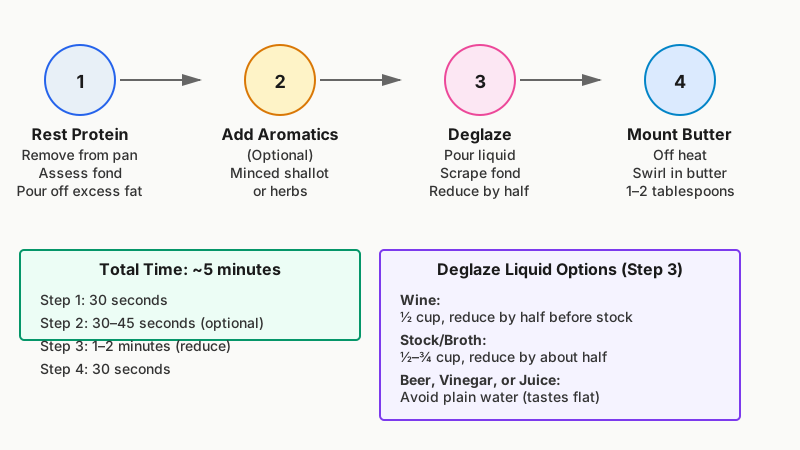
Step 1: Rest Your Protein and Assess the Pan
As soon as the meat comes out of the pan, let it rest on a plate or cutting board. This is your window to make the sauce — the pan is still hot, the fond is still intact, and you have a few minutes before it scorches.
Look at the pan. If there’s a layer of pooled fat more than about a tablespoon deep, pour most of it off (leaving some behind is fine and adds flavor). If the bottom looks nearly black rather than dark brown, you may be working with burned bits rather than caramelized ones — add your liquid quickly and taste before committing.
For a great candidate protein to build this sauce around, check out Pan-Seared Salmon: How to Cook It Perfectly Every Time.
Step 2: Build Aromatics (Optional but Worth It)
If you have 60 seconds and a shallot, use them. Finely minced shallot or garlic added directly to the residual fat in the pan and stirred for 30–45 seconds over medium heat will deepen the sauce considerably. Fresh thyme, rosemary, or a pinch of red pepper flakes also go in at this stage.
This step is optional. A pan sauce made with just liquid and butter is still excellent — the aromatics are a multiplier, not a requirement.
Step 3: Deglaze with Your Liquid
This is the moment where the magic is obvious: you pour liquid into a hot pan and immediately hear a dramatic hiss, followed by thick steam. Use a wooden spoon or silicone spatula to scrape vigorously at the bottom. Every browned bit that lifts off is flavor entering your sauce.
What to use for deglazing:
- Wine (white or red, depending on the protein): adds acidity, aroma, and body. Use about ½ cup and let it reduce by half before adding stock.
- Stock or broth (chicken, beef, vegetable): the workhorse option. Use ½ to ¾ cup.
- Beer: a pale ale or lager works well with pork; a stout with beef.
- Vinegar mixed with water or stock: balsamic or sherry vinegar at 2–3 tablespoons, diluted, adds punch.
- Juice: apple cider with pork, orange with duck, tomato with chicken.
Avoid plain water — it will deglaze the pan but the sauce will taste flat. You need something with flavor molecules of its own.
Once the fond is dissolved, increase the heat and let the liquid reduce. For wine, reduce until nearly evaporated before adding stock. For stock alone, reduce by about half — you’ll see it thicken slightly and deepen in color.

Step 4: Add Richness
Once your liquid has reduced, pull the pan off the heat (or drop it to very low). Now add fat — typically cold butter, cut into small pieces, one or two at a time. Swirl the pan rather than stirring aggressively; the butter should melt slowly and emulsify into the sauce, making it glossy and slightly thickened rather than greasy.
This technique is called monter au beurre — “mounting with butter” — and one to two tablespoons is usually sufficient for a sauce serving two to four people.
Alternatives to butter:
- A tablespoon of heavy cream (add it before reducing is complete, and let it cook briefly)
- A teaspoon of Dijon mustard (whisked in off the heat, also acts as an emulsifier)
- A drizzle of good olive oil, swirled in off the heat, for a lighter result
Season the sauce at this point with salt and pepper. Taste it. If it tastes sharp or too acidic, a small knob of butter will round it out. If it tastes flat, a few drops of vinegar or a squeeze of lemon will wake it up.
If you want your finished sauce to have more body without relying on butter alone, How to Thicken a Sauce Naturally: Reduction Over Cornstarch explains how reduction builds thickness naturally.
Step 5: Finish and Serve Immediately
Pan sauces don’t hold well. They are made to be poured over the rested meat and served right away. Any fresh herbs — parsley, tarragon, chives — go in at the very last second. Don’t let a butter-mounted sauce return to a hard boil or it will break and turn oily.
Strain it if you want a refined presentation; leave it rustic if you’re cooking for yourself on a Tuesday.
Common Problems and How to Fix Them
The sauce is too thin: You didn’t reduce it enough. Return to medium heat and simmer another minute or two without the butter. Once it coats a spoon lightly, add the butter.
The sauce is too salty: You used a very salty stock and reduced it aggressively. Dilute with a small splash of unsalted liquid, or balance with a squeeze of lemon and a pinch of sugar.
The sauce broke (looks greasy and separated): The butter went in when the pan was too hot, or you stirred too hard. Try whisking in a teaspoon of cold water off the heat. Sometimes it comes back; sometimes it doesn’t — next time, pull the pan from the burner before mounting.
The fond was burned: The sauce will taste bitter. Pour it out, wipe the pan quickly with a paper towel, and start fresh with just butter, aromatics, and stock. Less spectacular, but still good.
There’s almost no fond: You cooked at too low a temperature, or the pan was crowded. The sauce will be lighter in flavor — lean into it by using a more flavorful liquid (wine, good stock) and a bit more seasoning.

Flavor Combinations Worth Trying
Once you have the technique down, the variations are almost endless. A few that work reliably:
- Chicken + white wine + tarragon + cream: a French bistro classic. Finish with fresh tarragon leaves.
- Pork chop + apple cider + whole-grain mustard + butter: sweet, tangy, and rich.
- Steak + red wine + beef stock + thyme + butter: the steakhouse standard at home.
- Salmon + lemon juice + capers + butter: a beurre blanc–adjacent sauce that takes about three minutes.
- Mushrooms + sherry + garlic + cream: excellent over pasta or polenta, not just protein.
The proportions stay roughly the same across all of these: a small amount of aromatic, a splash of acidic liquid, a cup or less of stock, reduction, then fat to finish.
A Few Equipment Notes
A stainless-steel or cast-iron pan is ideal for building fond. Nonstick pans heat unevenly at high temperatures and don’t develop the same caramelization — use them if that’s what you have, but expect less depth of flavor.
A pan sauce made from a 10- or 12-inch skillet serves two to four comfortably. If you’re cooking for more people, don’t try to double the sauce in the same pan — the liquid-to-surface-area ratio gets awkward. Make the sauce in batches, or use a wider braising pan.
Conclusion
The difference between a meal with a pan sauce and one without it is disproportionately large given the five minutes it takes. You’re not adding a separate recipe — you’re just not throwing away the best part of what you already made.
Start with the simplest version: deglaze with stock, reduce by half, swirl in butter, season, pour over your meat. Do that a few times until it feels automatic. Then start experimenting with wine, aromatics, and cream. Within a few weeks, it will stop feeling like a technique and start feeling like how you just cook.