Homemade Pasta Sauce: 7 Recipes & Pro Techniques

Jarred sauce has its place — but once you’ve made pasta sauce from scratch, it’s hard to go back. The difference isn’t just taste; it’s control. You decide the salt level, the sweetness, whether it’s bright and quick or low and slow. This guide walks through seven distinct sauces, from a five-ingredient marinara to a proper Sunday meat ragù, with the technique details that actually matter.
Why Homemade Sauce Beats Store-Bought
Commercial pasta sauces are built for shelf stability and broad appeal. That means added sugar to balance cheap tomatoes, excess sodium to compensate for flat flavor, and oil chosen for cost rather than taste. When you cook your own, every ingredient pulls its weight.
There’s also a practical upside: homemade sauce costs less per serving than most mid-range jarred products, especially when you buy canned tomatoes in bulk. A 28-oz can of whole San Marzano tomatoes — widely considered the gold standard for Italian-style sauce — typically yields enough sauce for four to six pasta portions.

The Foundation: Understanding Tomatoes
Before the recipes, a word on tomatoes — because they’re doing 80% of the work.
Canned vs. Fresh
For cooked sauces, quality canned tomatoes almost always outperform out-of-season fresh ones. San Marzano tomatoes (DOP-certified if you can find them) have lower acidity and meatier flesh than standard plum tomatoes, which translates directly into a sweeter, less bitter sauce. Whole peeled tomatoes give you more control than pre-crushed — you can break them down to whatever texture you want.
For fresh tomatoes, use them when they’re at peak ripeness, typically late summer. Roma and plum varieties are best for sauce because of their lower water content. If you’re using fresh, blanch, peel, and seed them first.
The Pinch Test
Before adding canned tomatoes to a sauce, squeeze each one by hand over the pot, letting it break apart naturally. This gives better texture than hitting them with a spoon later, and you can feel any fibrous cores and remove them.
Seven Homemade Pasta Sauces, Ranked by Effort
If you want to pair these sauces with pasta made entirely from scratch, Homemade Pasta from Basic Ingredients: Just Flour, Eggs, and Time walks through the process using nothing but flour, eggs, and time.
1. Simple Marinara (20 Minutes)
This is the benchmark. Simple, fast, and surprisingly nuanced when done right.
Ingredients:
- 3 tbsp extra-virgin olive oil
- 4 garlic cloves, thinly sliced (not minced — sliced gives gentler flavor)
- 1 x 28-oz can whole peeled tomatoes
- ½ tsp red pepper flakes
- Salt to taste
- 8–10 fresh basil leaves
Method: Warm the oil and garlic over medium-low heat until the garlic is pale gold — not brown. Add red pepper flakes for 20 seconds, then add the tomatoes (hand-crushed). Season with salt. Cook uncovered on medium heat for 15–18 minutes, stirring occasionally. Tear in fresh basil at the end, off the heat.
The key move: don’t rush the garlic. Garlic cooked at too high a temperature turns bitter and sharp; garlic cooked slowly becomes nutty and sweet.
2. Arrabiata (Spicy Marinara Variation)
Same method as marinara but double the red pepper flakes and skip the basil. Add a finely sliced small red chili if you want fresh heat alongside the dried. Pairs best with penne or rigatoni — short pastas hold the sauce in their ridges.
3. Tomato Cream Sauce (Alla Vodka)
The vodka is real and functional: it extracts flavor compounds in tomatoes that are soluble in alcohol but not in water or fat. You won’t taste the vodka itself.
Key steps: Make a base marinara, add ¼ cup vodka after the garlic step and let it reduce for two minutes before adding the tomatoes. Once the sauce is cooked, reduce heat to low and stir in ½ cup heavy cream. Simmer gently for three to four minutes until the sauce is a warm salmon-pink. Finish with Parmesan.
4. Slow-Cooked Sunday Ragù
This is the sauce worth planning for. It takes three-plus hours but is largely hands-off.
Protein options: Pork shoulder, beef short rib, Italian sausage, or a combination. Brown the meat in batches in olive oil until genuinely dark — this is the Maillard reaction at work, building flavor that no amount of seasoning can substitute for.
Build the base: Soffritto (finely diced onion, celery, carrot) cooked in the same pot for 10–12 minutes. Add a tablespoon of tomato paste and cook it out for two minutes before adding crushed tomatoes and red wine. Nestle the browned meat back in, add a bay leaf, and cook at the lowest possible simmer — covered — for two to three hours. The sauce should barely blip.
Shred the meat directly into the sauce. The result is deeply savory, slightly sweet from the slow-cooked vegetables, and rich without being heavy.

5. Puttanesca
Bold, briny, and made entirely from pantry staples. The combination of olives, capers, and anchovy fillets means you barely need to add salt — and the anchovy dissolves completely into the oil, leaving savory depth rather than fishiness.
Additions to a basic marinara base: 4–5 anchovy fillets (added with the garlic), ¼ cup Kalamata olives (halved), 2 tbsp capers (drained), and a handful of cherry tomatoes if you have them. Ready in 25 minutes.
6. Mushroom and Herb Sauce (No Tomato)
A brown sauce built on umami — ideal for thicker pastas like pappardelle or tagliatelle.
Sauté a mix of cremini and dried porcini mushrooms (rehydrated — save the soaking liquid). Add shallots, garlic, fresh thyme, and a splash of white wine. Pour in the mushroom soaking liquid (strain it to remove grit) and a cup of pasta cooking water. Finish with butter and Parmesan.
The pasta cooking water is critical here: it’s starchy and helps the sauce emulsify and cling to the pasta rather than pooling at the bottom of the bowl.
7. Fresh Herb and Olive Oil Sauce (Aglio e Olio)
Strictly speaking, this is an oil-based sauce — but it’s one of the most satisfying, and it takes eight minutes. Sliced garlic in good olive oil, cooked slowly until fragrant, tossed with pasta, a ladleful of starchy cooking water, Parmesan, and a generous fistful of parsley. Salt, pepper, done.
The technique is everything: the emulsion of oil, water, and starch creates a light, glossy coating rather than greasy noodles.
If this sauce has you reaching for citrus to brighten the olive oil, our guide How to Zest a Lemon Without a Zester: Box Grater and Peeler Techniques shows the easiest ways to get fresh zest without special tools.
Techniques That Actually Make a Difference
Salt Your Water Properly
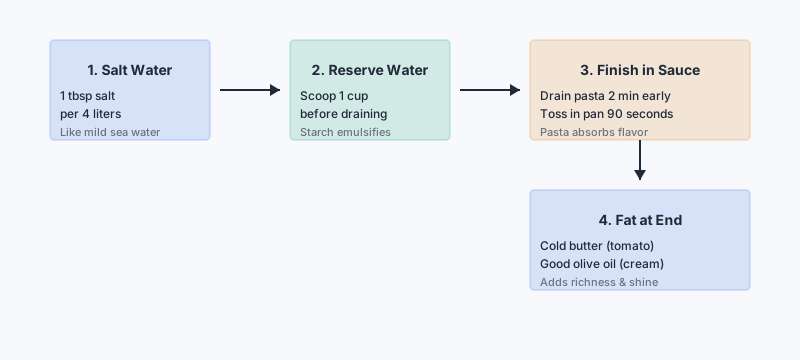
Pasta water should taste like mild sea water — roughly 1 tablespoon of salt per 4 liters. Under-salted pasta dulls even the best sauce because it has no flavor of its own to bring to the dish.
Reserve Pasta Water Before Draining
Scoop out at least a cup of pasta cooking water before you drain. Add it to the sauce in small amounts while tossing the pasta. The dissolved starch acts as an emulsifier, binding the oil and water-based components of the sauce into a cohesive, glossy finish. This single habit transforms the dish.
Finish the Pasta in the Sauce
For most sauces, drain the pasta two minutes early, then transfer it directly into the pan with the sauce. Toss over medium heat for 90 seconds, adding pasta water as needed. The pasta finishes cooking in the sauce, absorbing its flavor from the outside in.
For a deeper dive into why this step matters so much, check out How to Cook Pasta So the Sauce Actually Clings.
The Fat at the End
A knob of cold butter stirred into tomato sauce right before serving — called mantecatura in Italian — adds richness and a subtle sheen. For cream-based sauces, a splash of good olive oil does the same. Don’t skip this step; it’s what makes restaurant pasta taste different from home cooking.

Storage and Freezing
Homemade tomato-based sauce keeps in the refrigerator for up to five days in an airtight container. For longer storage, freeze it in portion-sized containers or zip-lock bags (lay flat to save space). Most tomato and meat sauces freeze excellently for up to three months — texture holds, flavor holds.
Cream-based sauces don’t freeze well; the cream breaks on reheating and becomes grainy. Make those fresh.
When reheating from frozen, thaw overnight in the refrigerator if possible. Reheat gently over low heat with a splash of water to loosen it.
Common Mistakes (and Easy Fixes)
Sauce is too acidic: Add a small pinch of baking soda (literally ⅛ tsp) and stir — it neutralizes acid chemically. Or cook longer; prolonged heat mellows sharpness. Avoid the sugar reflex unless you actually want sweetness.
Sauce is too thin: Remove the lid and let it reduce uncovered. Alternatively, stir in a tablespoon of tomato paste and cook for five minutes.
Sauce is bland: Almost always a salt problem. Taste, adjust, taste again. Then check whether you’ve finished with fat (butter or oil) — fat carries flavor.
Sauce sticks to the bottom: Heat is too high. Add a splash of pasta water or plain water, scrape the bottom, and drop the heat. Those browned bits are flavor — deglaze, don’t discard.
Conclusion
Making pasta sauce from scratch isn’t complicated — but it does reward attention to a handful of details: the quality of your tomatoes, the patience with garlic, the starchy pasta water, the finishing fat. Master those, and even a 20-minute weeknight marinara will taste like something worth sitting down for.
Start with the simple marinara, get comfortable with the technique, then work your way to the Sunday ragù when you have an afternoon free. The fundamentals transfer across all seven sauces and, honestly, across most Italian cooking.