How to Season a Stir Fry Properly: Why Timing Beats Your Sauce Recipe

Stir fry looks deceptively simple — hot pan, fast cooking, done. But most home cooks end up with vegetables that taste steamed rather than caramelized, or a sauce that pools at the bottom of the wok instead of coating every piece. The difference almost always comes down to seasoning: not just what you add, but when, how much, and in what order.
This guide breaks down the full seasoning process — from prepping your aromatics to finishing with something acidic — so you can build genuine depth of flavor every time.
1. Start With the Pan, Not the Sauce
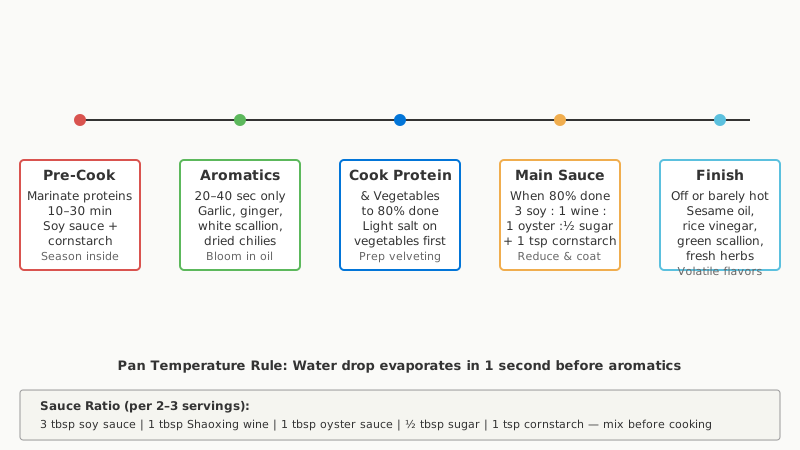
Before any seasoning goes in, your pan or wok has to be properly hot. This matters because flavors develop differently at different temperatures. Soy sauce added to a cold pan tastes raw and salty; the same soy sauce hitting a 400°F (204°C) surface caramelizes slightly, adding a toasted, savory note that makes a real difference.
Cast iron and carbon steel woks are ideal because they hold high heat. A flat-bottomed carbon steel wok is the best choice for most home stovetops. Stainless steel works too, though it takes a bit more oil to prevent sticking.
The test: A drop of water should evaporate within one second. If it dances and beads, the pan is ready.

2. Build the Aromatic Base First
The first flavors into the pan should be your aromatics — the ingredients that perfume the oil and create a flavor foundation. The classic trio is garlic, ginger, and scallions, though you’ll adjust depending on the cuisine.
- Garlic: Minced or thinly sliced, not pressed. Pressed garlic can burn too quickly.
- Ginger: Fresh grated or julienned. Powdered ginger is a different flavor profile altogether — use it only if you have nothing else.
- Scallions: The white parts go in early with oil; the green parts are a garnish at the end.
- Dried chili flakes or whole dried chilies: Go in with the aromatics to bloom in the oil.
Cook aromatics for 20 to 40 seconds only — just until fragrant. Any longer and garlic starts to brown bitterly.
3. Salt Your Proteins and Vegetables Before They Hit the Pan
One of the most overlooked steps in stir fry is pre-seasoning. Proteins — whether chicken, beef, shrimp, or tofu — should be marinated or at least lightly salted 10 to 30 minutes before cooking. A basic marinade of soy sauce, a touch of cornstarch, and a splash of Shaoxing rice wine does three things: it seasons the interior, the cornstarch creates a protective coating that locks in moisture, and the alcohol helps tenderize.
For vegetables, particularly dense ones like broccoli or carrots, a light pinch of salt just before they hit the pan helps draw out surface moisture, which then evaporates quickly in the heat rather than turning your stir fry into a steam.
The Cornstarch Coating Trick
If you’re using chicken or beef, toss the sliced meat in 1 teaspoon of cornstarch per 250g (about 9oz) before cooking. This technique — called velveting in Chinese restaurant cooking — creates the silky, tender texture you find in restaurant dishes. It also helps the sauce cling to the protein later.
4. Understand the Seasoning Layers
Good stir fry seasoning isn’t a single sauce dumped in at the end. It builds in layers:
Layer 1 — The Marinade (before cooking) Soy sauce, Shaoxing wine, cornstarch, and sometimes sesame oil. This seasons the protein from the inside.
Layer 2 — The Aromatics in Oil (first 30 seconds) Garlic, ginger, dried chilies — fat-soluble flavors that infuse the cooking oil itself.
Layer 3 — The Sauce (mid-cook) Your main sauce goes in when the protein and main vegetables are about 80% cooked. This is the window where everything gets coated and the sauce has time to reduce slightly and thicken.
Layer 4 — Finishing Touches (off or barely on heat) A few drops of sesame oil, a splash of rice vinegar or citrus, fresh scallion greens, and fresh herbs. These are volatile flavors that evaporate fast — adding them to a screaming hot pan wastes them.
5. The Sauce Ratio to Know By Heart
There’s a foundational stir fry sauce ratio used across a huge range of Chinese-inspired dishes. Once you know it, you can adapt it endlessly:
- 3 parts soy sauce
- 1 part Shaoxing rice wine (or dry sherry)
- 1 part oyster sauce
- ½ part sugar or honey
- 1 teaspoon cornstarch per 4 servings (mixed into the sauce before adding, not separately)
For 2–3 servings, that typically means 3 tablespoons soy sauce, 1 tablespoon rice wine, 1 tablespoon oyster sauce, ½ tablespoon sugar, and 1 teaspoon cornstarch. Mix this in a small bowl before you start cooking — stir fry moves too fast to be measuring at the stove.
If you want heat, stir in chili paste (doubanjiang for a fermented depth, sambal oelek for fruity brightness) at the sauce stage.

6. Salt vs. Soy Sauce: When to Use Which
Soy sauce is the dominant salt source in most stir fry — but it also adds color and umami. If you’re cooking something pale where the dark color of regular soy would look wrong (like a white fish stir fry or a dish with cauliflower), switch to light soy sauce rather than regular, or use a small amount of fish sauce instead.
For dishes where you want salt without any color at all, a tiny pinch of table salt added directly to the vegetables mid-cook works well. But be careful: between the marinade, the sauce, and the oyster sauce, there’s already significant sodium in most stir fries. Taste before adding more.
How to Fix a Stir Fry That’s Too Salty
- Add a small amount of sugar or honey to counterbalance.
- Squeeze in a little citrus (lime or lemon) — acid suppresses the perception of saltiness.
- Add an unseasoned starchy ingredient like extra rice, noodles, or plain tofu to absorb the excess.
7. Acid and Sweetness: The Forgotten Balancers
Most home stir fries taste flat not because they’re missing salt, but because they’re missing acid and sweetness. These two elements create contrast that makes savory flavors pop.
Acid options:
- Rice vinegar (mild, clean)
- Black vinegar (deeper, slightly malty — great with pork or eggplant)
- Lime or lemon juice (brighter, works well with Southeast Asian profiles)
- A splash of dry sherry or Shaoxing wine added right before plating
Sweetness options:
- White sugar (neutral)
- Brown sugar (slight molasses note)
- Honey (floral, thickens the sauce slightly)
- Hoisin sauce (adds both sweet and fermented depth)
The key is restraint. You’re not making a sweet-and-sour dish — you just want enough of each to create balance. For a 2–3 serving stir fry, ½ teaspoon of sugar and ½ teaspoon of rice vinegar is often enough.
8. Timing Seasoning With the Sequence of Ingredients
Sequencing is where most stir fry mistakes happen. Dump everything in at once and you’ll get uneven cooking and muddled flavors.
A reliable sequence for a protein and vegetable stir fry:
- Heat oil until shimmering.
- Add aromatics — garlic, ginger, dried chilies. Stir 20–30 seconds.
- Add protein — cook until 90% done, then remove from pan and set aside.
- Add hardest vegetables first (carrots, broccoli stems, bell pepper). Stir fry 2–3 minutes.
- Add medium vegetables (mushrooms, snap peas, bok choy). Stir fry 1–2 minutes.
- Return protein to pan.
- Pour in sauce — toss everything to coat. Cook 30–60 seconds until sauce thickens.
- Remove from heat. Add finishing ingredients: sesame oil, fresh herbs, scallion greens, a few drops of acid.
Why remove the protein? Returning it at the end prevents overcooking while the vegetables finish. This is standard practice in restaurant wok cooking.
9. Taste as You Go — and Fix Before You Plate
This sounds obvious, but it’s the step most home cooks skip in the speed of stir fry cooking. Before plating, taste a piece of protein and a vegetable together with some sauce. Ask:
- Too flat? Add a pinch of salt, a little more soy, or a few drops of fish sauce.
- Too salty? Squeeze of lime or a touch of sugar.
- Too rich/heavy? Acid — rice vinegar or citrus.
- Missing something? Try a few drops of toasted sesame oil. It adds nuttiness that rounds out nearly any stir fry.

Conclusion: Seasoning Is a System, Not a Single Step
Proper stir fry seasoning is less about having a magic sauce and more about applying the right flavors at the right moments — fat-soluble aromatics early, bold sauces mid-cook, volatile finishers at the end. Get the heat right, build your layers, and taste before you plate. These habits will change the quality of your stir fry more than any single ingredient upgrade.
Once the process feels natural, you can adapt it to Thai, Vietnamese, Korean, and Japanese flavor profiles just by swapping out the core sauce ingredients — the method stays the same.
If you’d rather practise these rules on dishes with the quantities already worked out, Easy Stir Fry Recipes for Beginners has seven to start with.