How to Clean Window Blinds: The Complete Method Guide

Window blinds are expert dust traps. The horizontal slats on Venetian blinds, the fabric folds on Roman shades, the tight channels on vertical blinds — every design has its own way of holding onto grime. Most people give their blinds a quick wipe once in a while and call it done, but a deeper clean a couple of times a year makes a real difference in both appearance and air quality at home.
This guide breaks down the best cleaning methods by blind type, covers the tools you actually need, and flags the mistakes that can warp, stain, or shrink your blinds permanently.
What You Need Before You Start
You do not need fancy equipment. Most blind cleaning is done with things already in your kitchen or cleaning cupboard:
- Microfiber cloths – the most effective tool for dust pickup without scratching
- A soft-bristle brush or an old paintbrush – useful for fabric blinds and tight corners
- White vinegar – a reliable mild cleaner that cuts grease without harsh chemicals
- Dish soap – a small amount mixed with warm water works for most hard blinds
- A bathtub or large basin – essential for soaking aluminium or PVC blinds
- Rubber gloves – protects your hands and, oddly, works as a decent dust removal tool
- A vacuum with a brush attachment – speeds up the dry-dusting phase considerably
Avoid bleach on anything coloured or fabric-based. Avoid abrasive sponges on aluminium slats — they scratch easily.

While you’re gathering supplies for tackling household dust and allergens, you might also find How to Clean a Mattress at Home: Beyond Just Changing Sheets useful for another often-overlooked surface in the bedroom.
Cleaning Venetian Blinds (Aluminium or Plastic)
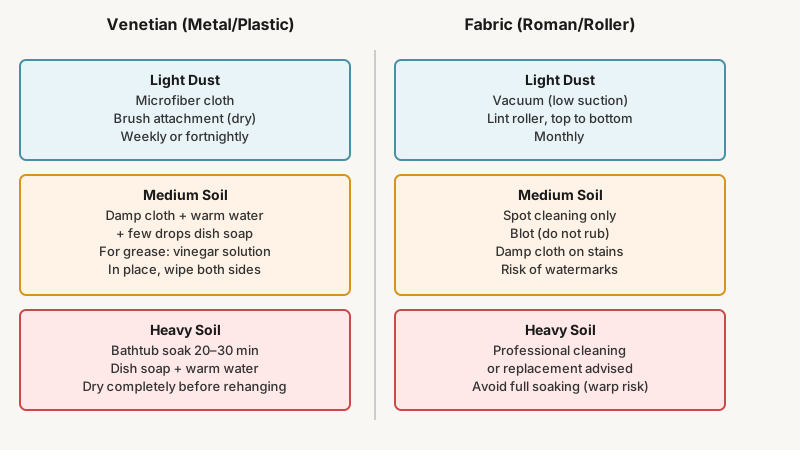
Venetian blinds, with their horizontal adjustable slats, are the most common type in homes and offices. They collect dust on both surfaces of every slat, so a single wipe is rarely enough.
Routine Dry Dusting
For weekly or fortnightly maintenance:
- Close the slats so they face one direction (tilt them fully).
- Run a microfiber cloth, a dry sponge, or a vacuum brush attachment along each slat from left to right.
- Tilt the slats the other way and repeat on the opposite surface.
Do this regularly and you will rarely need a full wet clean.
Deep Cleaning in Place
For a more thorough clean without taking the blinds down:
- Mix a few drops of dish soap into a bowl of warm water.
- Dip a microfiber cloth or sponge into the solution and wring it out well — you want it damp, not wet.
- Close the slats in one direction and wipe along each slat.
- Follow immediately with a dry cloth to prevent water marks.
- Flip and repeat on the other side.
For greasy kitchen blinds, substitute half white vinegar and half warm water in place of the dish soap solution. Vinegar cuts cooking grease effectively and evaporates cleanly.
Bathtub Deep Clean (Best for Heavily Soiled Blinds)
If your blinds have not been cleaned in years — or if they live in a kitchen — a full soak is the most efficient option:
- Remove the blinds from the window and take off any hooks or brackets.
- Fill a bathtub with warm water and a generous squirt of dish soap.
- Submerge the blinds and let them soak for 20–30 minutes.
- Use a soft cloth or sponge to wipe each slat while still submerged.
- Drain the tub, rinse the blinds thoroughly with the showerhead.
- Hang them over the shower rail or lay them flat on towels to dry completely before rehanging.
Important: Never rehang wet blinds. Water trapped in the head rail mechanism can cause rust or mould.

Cleaning Fabric Blinds (Roman, Roller, and Cellular Shades)
Fabric blinds need a gentler approach. The biggest risk is water saturation, which can cause warping, mould, or permanent watermarks — especially on Roman shades with wooden dowels inside the folds.
Routine Maintenance
- Use a vacuum with a low-suction brush attachment, moving gently from top to bottom.
- An upholstery attachment works well on roller blinds.
- A lint roller picks up dust and pet hair without any moisture at all.
Do this monthly if you have pets or live in a dusty environment.
If you’re building a habit of regular upkeep for your blinds, our guide 10 Tips for Keeping a Clean Kitchen Every Day offers similar strategies for staying on top of household grime.
Spot Cleaning
For isolated stains on roller or Roman blinds:
- Blot (do not rub) with a damp cloth to lift the surface of the stain.
- Apply a tiny amount of mild upholstery cleaner or a diluted dish soap solution.
- Blot again with a clean damp cloth to remove any soap residue.
- Allow to air dry fully with the blind fully extended, not rolled up.
Rolling or folding a damp fabric blind almost always causes mildew inside the layers.
Can You Machine Wash Fabric Blinds?
Some roller blind fabrics are removable and washable — check the manufacturer’s label. If machine washing is approved:
- Use a delicate, cold-water cycle.
- Do not tumble dry — lay flat or hang to air dry.
- Reattach only when completely dry.
Roman shades with wooden dowels should never be submerged. The wood warps and the dowel pockets can shrink, making reassembly a frustrating puzzle.
Cleaning Vertical Blinds
Vertical blinds — typically PVC, fabric, or aluminium — hang from a track and are commonly found on sliding patio doors and larger windows. The cleaning approach depends on the material.
PVC Vertical Slats
PVC wipes clean easily. Close the slats so they sit flat, then wipe each one top to bottom with a damp microfiber cloth. For stubborn grime, use a diluted white vinegar solution. PVC can handle more moisture than fabric, so you have a little more latitude here.
Fabric Vertical Slats
Fabric verticals often unclip from the track, which makes them easier to deal with:
- Unclip each slat and lay it flat.
- Spot-clean with an upholstery-safe cleaner.
- Or, if the fabric is machine-safe, place a few slats in a pillowcase and run on a gentle, cold cycle.
- Hang to dry before reattaching.

Cleaning Wooden and Faux-Wood Blinds
Real wood blinds are attractive but high-maintenance. Water is the enemy — even a damp cloth left too long can raise the grain or cause warping.
For real wood:
- Dust with a dry microfiber cloth only.
- For light grime, use a cloth barely dampened with a wood-safe cleaner and wipe immediately dry.
- Never soak, never steam, never use water-heavy solutions.
For faux-wood (PVC composites):
- These handle moisture much better.
- Wipe with a damp cloth and mild soap, then dry.
- They can tolerate the same treatment as aluminium Venetian blinds.
If you are unsure whether your blinds are real wood or faux-wood, check the product label or look at the cut edges of a slat — real wood has visible grain throughout, while faux-wood tends to have a uniform, slightly hollow cross-section.
Common Mistakes That Damage Blinds
A quick list of what not to do — because these come up repeatedly:
- Using too much water on aluminium slats. Water in the head rail mechanism corrodes the internal components over time.
- Rubbing stains on fabric blinds instead of blotting. Rubbing spreads the stain and pushes it deeper into the fibres.
- Leaving wet fabric blinds rolled up. Mildew develops within a day or two in humid conditions.
- Steam cleaning wooden blinds. The heat and moisture combination warps wood quickly and permanently.
- Using furniture polish on blinds. Silicone-based polishes leave a sticky residue that attracts dust faster.
- Skipping the drying step. This one causes more damage than the cleaning itself.
If your cleaning routine extends to other home furnishings, How to Clean a Leather Sofa: Avoid The Watermarks And Cracked Finish offers similar guidance on avoiding damage while removing grime.
How Often Should You Clean Window Blinds?
There is no universal rule, but these are reasonable intervals for most homes:
| Blind Type | Dusting Frequency | Deep Clean Frequency |
|---|---|---|
| Aluminium Venetian | Every 2–4 weeks | Every 3–6 months |
| Fabric/Roman Shades | Monthly | Annually or as needed |
| Roller Blinds | Monthly | Every 6 months |
| Vertical PVC | Monthly | Every 6 months |
| Real Wood | Weekly (dry only) | Spot clean only |
Kitchen blinds deserve more frequent attention regardless of type — cooking grease accelerates buildup noticeably compared to blinds in other rooms.
Conclusion
Cleaning window blinds is less complicated than most people assume once you match the method to the material. The core principle is straightforward: dry dusting regularly prevents the need for aggressive wet cleaning, and when you do wet-clean, always dry thoroughly before putting blinds back to work.
Venetian blinds in a bathtub, vertical fabric slats through a gentle wash cycle, wooden blinds kept strictly dry — each type has a logic to it. Follow the right approach for your blinds, and they will look cleaner and last considerably longer.