10 Tips for Keeping a Clean Kitchen Every Day

Why Kitchen Cleanliness Is Harder Than It Looks
The kitchen is the one room in most homes that never really gets a break. Breakfast dishes barely dry before lunch prep begins. Grease migrates from the stovetop to cabinet fronts while you’re not watching. Crumbs colonize the toaster tray. It’s not laziness — it’s just the nature of a room that produces three meals a day, hosts snacks, and doubles as a homework station or charging hub.
Keeping a clean kitchen isn’t about a single big Saturday scrub. It’s about building a handful of small habits that stack together so the room stays functional and sanitary without consuming your weekend. Here are ten specific, field-tested tips that actually hold up in a real household.

1. Adopt the “Clean as You Cook” Mindset
This one change does more work than anything else on this list. While onions are sweating in the pan or pasta water is coming to a boil, rinse the bowl you just used. Wipe the cutting board. Put the olive oil back in the cabinet. By the time dinner hits the table, the prep mess is largely gone.
The payoff is psychological as much as practical: you sit down to eat without dreading a disaster zone waiting on the other side of the meal.
Keep a Bowl of Hot Soapy Water on the Counter
A small bowl of warm, soapy water sitting near the stove gives you somewhere to drop utensils between uses and soak small items instantly. Starch and fat rinse off far more easily when they haven’t had a chance to dry and bond.
2. Assign a Home to Every Item
Clutter is the enemy of kitchen hygiene because clutter makes surfaces hard to wipe. If the blender lives in three different spots depending on who last used it, no one wipes under it consistently.
Spend one afternoon establishing fixed homes for every appliance, tool, and ingredient. Label shelves if your household is communal. Once items have a known address, returning them is automatic rather than a decision, and wiping down the cleared surface takes seconds.
3. Deal With the Sink Before Bed
A full sink is the single most demoralizing thing to wake up to in the morning. It sets a chaotic tone before coffee. Make it a non-negotiable rule: no dishes in the sink overnight.
This doesn’t mean everything has to be hand-washed. It means loading the dishwasher, running it if it’s full, and rinsing anything that can’t go in. A dry, empty sink takes about three minutes to wipe down and makes the whole kitchen feel cleaner than it might actually be.

4. Wipe Surfaces After Every Use — Not Once a Week
Bacteria multiply fast on kitchen surfaces, especially around the sink and cutting boards. Wiping the counter once at the end of the day is better than nothing, but wiping after each use is categorically different in terms of hygiene.
Keep a roll of paper towels or a dedicated set of microfiber cloths (color-coded so the dish cloth never touches the floor) within arm’s reach of the stove and sink. The friction of fetching a cloth from under the sink is enough to skip the wipe-down half the time.
Don’t Forget the Stovetop
Grease splatters are easiest to remove when they’re still warm. A 30-second wipe while the burners cool prevents the kind of baked-on residue that requires a Saturday afternoon and a razor scraper to fix.
5. Take the Garbage Out Early
Most households wait until the bag is overflowing. By then, the bin has had hours to build up odors, and overflow items have been sitting on the lid or the floor. Instead, tie off the bag when it reaches about three-quarters full — before it becomes a problem. A liner that fits properly and is changed regularly also keeps the bin itself from accumulating residue that requires scrubbing.
If fruit flies appear, the fix is almost always the same: remove rotting produce, empty the bin, and rinse it with a diluted white-vinegar solution.
6. Clean the Refrigerator in Small Doses
A full refrigerator deep-clean is a big, messy job that nobody wants to do, which is why it gets deferred until the situation is critical. Break it into micro-sessions instead.
- Before the grocery run: scan for anything expired or going bad. Toss it before new groceries go in.
- Sunday evenings: wipe one shelf with a damp cloth — just one.
- Spills: clean them immediately, not next time you have a chance. A spill that dries inside a fridge bonds to the surface and can stain.
This rotating approach means the refrigerator is always mostly clean. You’ll rarely need a full strip-and-scrub.
For a more thorough overhaul of your major kitchen equipment, check out How to Deep Clean Kitchen Appliances Step by Step when you’re ready to tackle every appliance at once.
If you’re saving those onion skins and other produce scraps instead of tossing them, check out Natural Fabric Dyeing with Kitchen Scraps: From Onion Skins To Color for a creative way to put them to use.
7. Keep Your Cleaning Tools Clean
This is the tip most people skip. A sponge that smells sour is spreading bacteria, not removing it. A mop head that’s never been washed is depositing grime, not lifting it.
Sponges should be replaced every one to two weeks, or microwaved damp for 60 seconds to kill surface bacteria in between uses (note: only microwave damp, non-metallic sponges). Dish brushes with removable heads are easier to sanitize and often the better long-term choice. Microfiber cloths should go into the wash after each use, not sit damp on the counter.

8. Control the Grease Before It Spreads
A range hood filter clogged with grease is ineffective, and a sticky haze settles on every surface in the kitchen over time — cabinets, backsplash tiles, even ceiling trim. Most range hood filters should be washed monthly in hot, soapy water or run through the dishwasher.
If you don’t have a range hood or vent, crack a window and use a splatter screen on the pan. Splatter screens cost very little and prevent the majority of stovetop mess from becoming an airborne problem.
If your grease battles are mostly happening on the fridge or oven exterior, How to Clean Stainless Steel Appliances: Wipe With The Grain explains the right wiping technique to avoid streaks.
9. Create a Weekly 15-Minute Reset
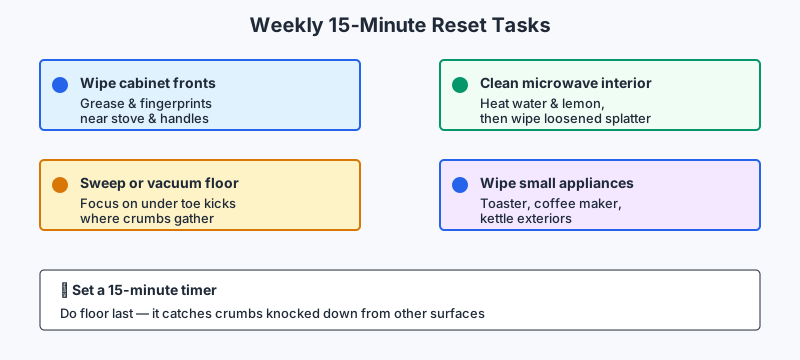
Even with daily habits in place, a weekly session catches what slips through. Set a 15-minute timer once a week — Sunday night works well for most people — and work through this rotation:
- Wipe cabinet fronts (grease and fingerprints accumulate fast near the stove and the handles).
- Clean the microwave interior with a steam trick: heat a bowl of water and lemon juice for two minutes, then wipe the loosened splatter with a cloth.
- Sweep or vacuum the floor, focusing on the space under the toe kicks where crumbs gather.
- Wipe down small appliances — toaster exterior, coffee maker base, kettle.
Fifteen minutes with a clear checklist covers a surprising amount of ground.
The Floor Is the Last Step, Not the First
Always mop or sweep after all other surfaces are done. Wiping counters knocks crumbs to the floor; cleaning the floor last means you’re not mopping twice.
10. Reduce the Amount of “Stuff” in the Kitchen
The single most underrated hygiene strategy is owning fewer things. Every gadget on the counter is a surface that collects grease and dust, a gap that traps crumbs, and an obstacle that gets moved instead of cleaned around. The avocado slicer used twice a year lives in a drawer and does no harm. The five-piece spice carousel that never moves is a problem.
Spend an hour auditing the counters: anything that isn’t used at least three times a week probably belongs in a cabinet. Fewer items means more wipe-able surface area, which means a kitchen that stays clean with less effort.
Putting It All Together
None of these tips requires a personality overhaul or a professional cleaning service. The pattern that works is simple: handle messes at the point of creation, put things back in fixed places, and do small maintenance tasks regularly rather than large corrective ones rarely.
Start with just two or three habits — clean as you cook, empty the sink before bed, and wipe surfaces after each use. Once those feel automatic, add the others. Within a few weeks, the kitchen stops being a source of friction and becomes something close to effortlessly functional.
A clean kitchen isn’t a destination you clean toward. It’s a default state you maintain.