How to Clean Stainless Steel Appliances: Wipe With The Grain

Stainless steel looks sharp when it’s clean — and like a crime scene when it isn’t. Fingerprints, grease splatter, water spots, and the occasional mystery smear all seem magnetically attracted to that brushed metal surface. The good news: cleaning stainless steel appliances is genuinely straightforward once you understand what the material actually needs.
This guide covers seven proven cleaning methods, the tools to keep on hand, common mistakes that cause scratching or discoloration, and how to keep surfaces looking good longer.
Why Stainless Steel Is Trickier Than It Looks
The name is a bit misleading. Stainless steel isn’t stain-proof — it’s stain-resistant, thanks to a thin, invisible chromium oxide layer on the surface. That passive layer is what gives it corrosion resistance. Harsh chemicals, abrasive scrubbers, and even hard water deposits can degrade that layer over time, leaving pitting or rust spots.
There’s another quirk worth knowing: stainless steel has a grain — a faint directional texture, similar to wood grain. Always wipe with the grain, not against it. Wiping against the grain pushes residue and micro-abrasive particles sideways across the surface, which is how fine scratches accumulate. Hold a flashlight at an angle to your appliance and you’ll see the grain direction clearly.

Keeping appliance surfaces looking their best is easier when it fits into a broader habit, so check out 10 Tips for Keeping a Clean Kitchen Every Day for daily upkeep ideas.
7 Methods for Cleaning Stainless Steel Appliances
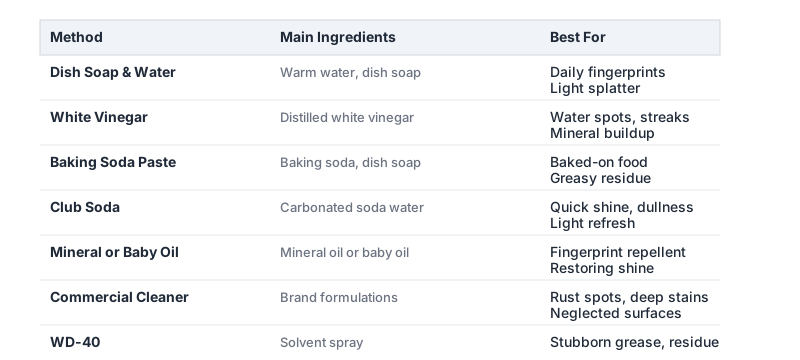
1. Dish Soap and Warm Water (Everyday Maintenance)
For routine cleaning — fingerprints, light grease, fresh drips — a few drops of dish soap in warm water is all you need. Dampen a soft microfiber cloth, wring it out well so it’s not dripping, and wipe in the direction of the grain. Follow with a clean damp cloth to rinse, then dry immediately with another dry microfiber.
The drying step matters. Letting water air-dry on stainless leaves hard water spots and calcium deposits, especially if your tap water is mineral-heavy.
Best for: Daily maintenance, fresh fingerprints, light splatter.
2. White Vinegar for Streaks and Water Spots
Distilled white vinegar is mildly acidic, which makes it effective at dissolving mineral deposits and cutting through streaky residue without damaging the chromium layer when used briefly.
Fill a spray bottle with undiluted white vinegar, spritz the surface lightly, and wipe with the grain using a microfiber cloth. Rinse with plain water and dry right away. Don’t let vinegar sit for extended periods — the acidity can dull the finish if left in contact too long.
Best for: Water spots, streaks, calcium buildup around faucet areas.
3. Baking Soda Paste for Stuck-On Grime
For dried food, grease that’s had time to set, or staining around burners, baking soda provides gentle mechanical abrasion without the harshness of steel wool or commercial scouring pads.
Mix baking soda with just enough dish soap to form a thick paste. Apply it to the problem area with a soft cloth, let it sit for two to three minutes, then work it gently with the grain. Rinse completely and dry.
Baking soda is alkaline, so combining it with vinegar in the same step just creates a fizzing reaction that cancels both out — use one or the other, not together.
Best for: Baked-on food, greasy residue, surface discoloration around cooktops.
4. Club Soda for a Quick Shine
This sounds like a home remedy and it partly is, but club soda genuinely works for a fast polish. Its carbonation loosens light residue and the minerals in it help buff the surface to a brief shine. Pour a small amount directly onto a cloth and wipe with the grain.
It’s not a deep cleaner, but if you want quick results before guests arrive, it’s effective and harmless.
Best for: Fast shine refresh, light surface dullness.
5. Mineral Oil or Baby Oil to Repel Fingerprints
Once clean, a very thin coat of mineral oil applied with a soft cloth helps repel future fingerprints and gives stainless steel a low-key luster. Apply a tiny amount — too much leaves a greasy film — and buff well in the direction of the grain until the surface feels dry to the touch.
This is a finishing step, not a cleaner. Only apply it after the surface is already clean and dry.
Best for: Post-cleaning protection, fingerprint resistance, restoring shine.

6. Commercial Stainless Steel Cleaners
Products like Weiman Stainless Steel Cleaner & Polish, Bar Keepers Friend (the liquid version for appliances), and 3M Stainless Steel Cleaner are formulated for this exact job. Bar Keepers Friend contains oxalic acid, which is particularly effective at dissolving rust spots and hard water stains without scratching.
Always read the label and test on an inconspicuous spot first. Some commercial cleaners leave a protective coating; others are purely for cleaning. Follow the grain direction and buff off any residue fully — dried product can attract more grime.
Note: Product links for commercial cleaners may include affiliate commissions through retail partners.
Best for: Rust spots, deep staining, restoring heavily neglected surfaces.
7. WD-40 for Stubborn Residue
WD-40 isn’t just a lubricant — its solvent properties make it useful for removing adhesive residue, certain stains, and heavy grease that dish soap can’t shift. Spray a small amount onto a cloth (not directly onto the appliance) and rub with the grain. Follow with dish soap and water to remove the oily film, then dry.
Use this sparingly. It’s not a routine cleaner, and leaving an oily film on cooking surfaces is both messy and potentially flammable near burners.
Best for: Sticker or tape residue, stubborn grease, discoloration from heat.
What Not to Do — Common Mistakes That Cause Damage
Knowing what to avoid is as important as knowing the right methods.
Steel wool and abrasive scrub pads: These scratch the surface immediately and embed iron particles that cause rust spots. Even the “light” green scrub pads most people keep at the sink are too coarse for stainless appliances.
Chlorine bleach: Bleach corrodes stainless steel’s protective layer and can cause permanent pitting. Check cleaning sprays you already own — some all-purpose sprays contain bleach or chlorine compounds.
Wiping against the grain: As mentioned, this causes micro-scratches that accumulate into a visibly dull, scuffed surface over time.
Leaving standing water: Prolonged moisture contact — especially from hard water — leads to mineral scale and, eventually, surface rust around any microscopic imperfections.
Rubbing alcohol or acetone in high concentrations: These can work for very targeted spot-cleaning (a permanent marker stain, for instance) but shouldn’t be used broadly on appliance finishes, as they can strip protective coatings.
Appliance-by-Appliance Tips
Refrigerators
Refrigerator doors get the most fingerprints since people open them dozens of times daily. A light coat of mineral oil after cleaning dramatically reduces how often you need to wipe them down. For the door seals (not stainless, typically rubber), use warm soapy water only — avoid vinegar and oils on seals.
Dishwasher Fronts
Dishwasher fronts often collect drips and splatter from the sink. The same grain-aligned wipe-down works here. If you notice water marks forming at the base where water pools, dry that area right after each cycle.
Ranges and Cooktops
Heat exposure causes grease to polymerize (essentially bake on). Baking soda paste is your best tool here, used while the surface is cool. For the area directly around burners that has yellowed or browned from heat, Bar Keepers Friend is worth reaching for.
Microwaves and Range Hoods
Range hoods accumulate greasy dust from cooking vapors. A degreasing dish soap (Dawn Original is a standard reference here) cut in warm water, wiped along the grain, handles most of it. For the mesh filter inside the hood — that’s not stainless — soak it in hot soapy water or run it through the dishwasher if the manufacturer allows.

Building a Simple Cleaning Routine
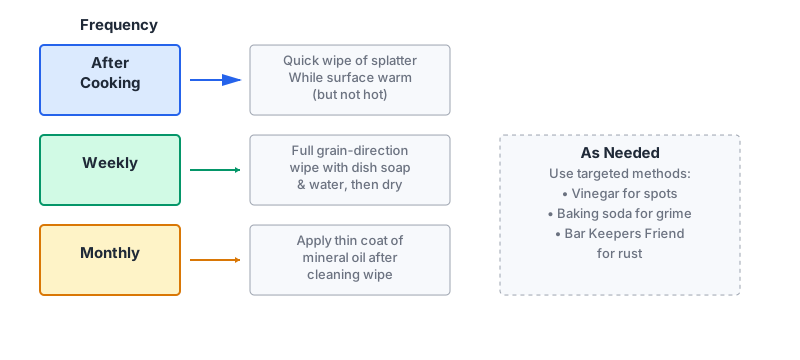
The appliances that always look good are the ones that get wiped briefly and often, not scrubbed occasionally. A practical pattern:
- After cooking: Quick wipe of any splatter on the range or hood with a damp cloth while the surface is still warm enough to release grease easily (but not hot enough to be unsafe).
- Weekly: Full grain-direction wipe-down of all visible stainless surfaces with dish soap and water, then dry.
- Monthly: Apply a thin coat of mineral oil after the cleaning wipe to maintain the protective barrier.
- As needed: Use the targeted methods above (vinegar for spots, baking soda for grime, Bar Keepers Friend for rust) when regular maintenance hasn’t been enough.
Keeping a dedicated spray bottle of diluted dish soap solution and a stack of microfiber cloths near the kitchen makes this easy enough to actually do.
If you want to extend this same level of care to the rest of your kitchen, How to Deep Clean Kitchen Appliances Step by Step walks through a full top-to-bottom approach.
Conclusion
Cleaning stainless steel appliances doesn’t require a shelf full of specialty products. A microfiber cloth, dish soap, white vinegar, baking soda, and a bit of mineral oil will handle the vast majority of situations. The two rules that matter most: always follow the grain direction, and dry the surface after every cleaning. Get those two habits right and your appliances will hold up — and look good — for a long time.