Keeping Cast Iron Rust-Free After Every Wash
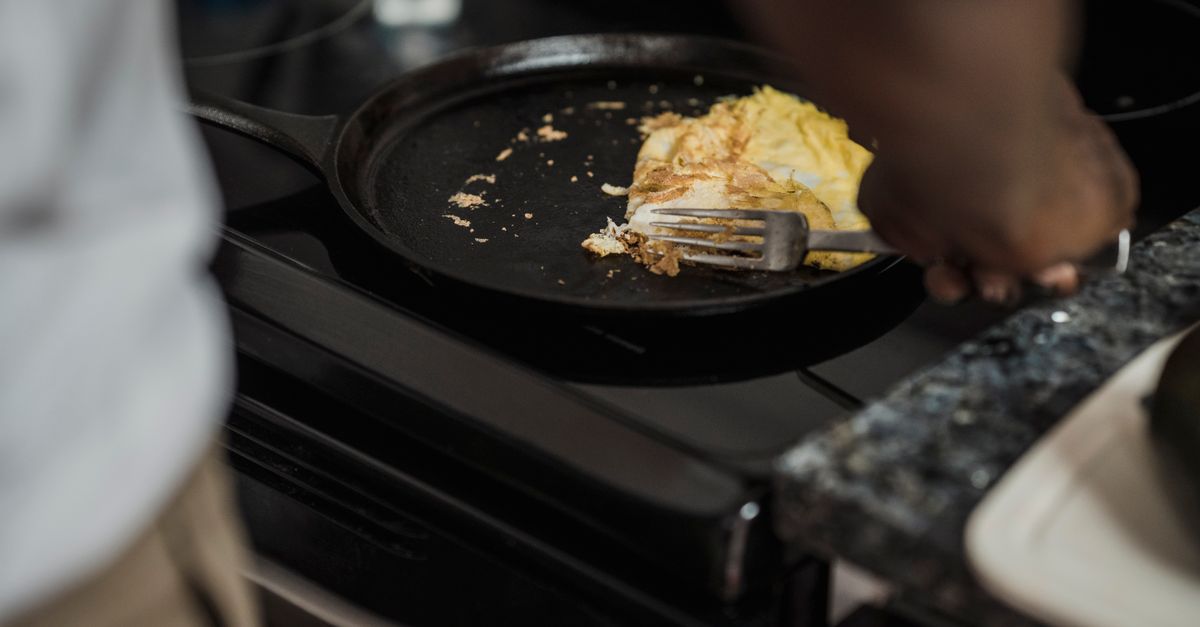
Cast iron is one of the most durable materials in any kitchen — but it has one reliable weakness: moisture left on its surface after washing. Rust spots do not appear because cast iron is poorly made or old; they appear because iron and water react when oxygen is present, and that reaction begins within minutes on bare metal. Get the drying and seasoning steps right after every wash, and rust stops being a recurring problem.
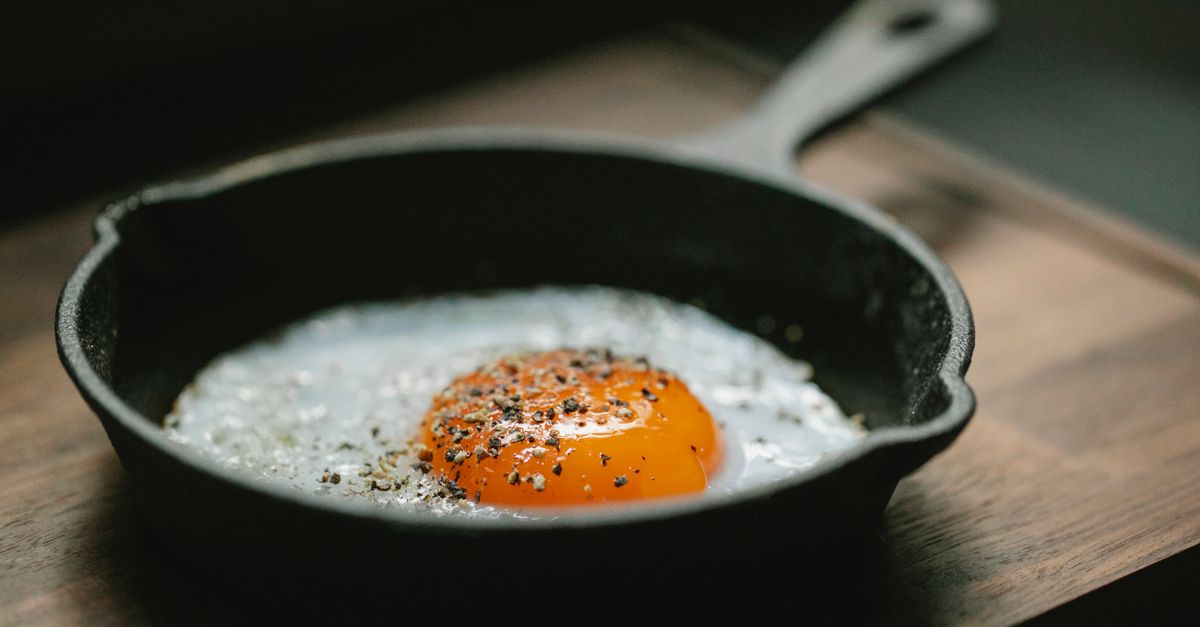
Why Cast Iron Rusts After Washing
The moment water sits on unsealed iron, it sets off a straightforward electrochemical reaction: iron atoms lose electrons to dissolved oxygen, forming iron oxide — rust. The polymerized oil layer known as seasoning is what interrupts this process. When that layer is thin, patchy, or stripped by harsh soap or prolonged soaking, bare metal is exposed and moisture can reach it directly.
A few conditions accelerate rust formation more than most people expect:
- Air-drying on a rack. Even a few minutes of evaporation leave trace moisture in microscopic pores before the surface looks dry.
- Towel-drying alone, without heat. Cloth absorbs surface water but cannot pull moisture from the pores of the iron itself.
- Dishwasher use. Prolonged heat-and-steam cycles strip seasoning aggressively and leave the pan sitting wet in a high-humidity environment.
- Stacking wet pans. Trapped moisture between pans prolongs contact time and creates localized rust spots at contact points.
The Core Routine: Dry Heat Is Non-Negotiable
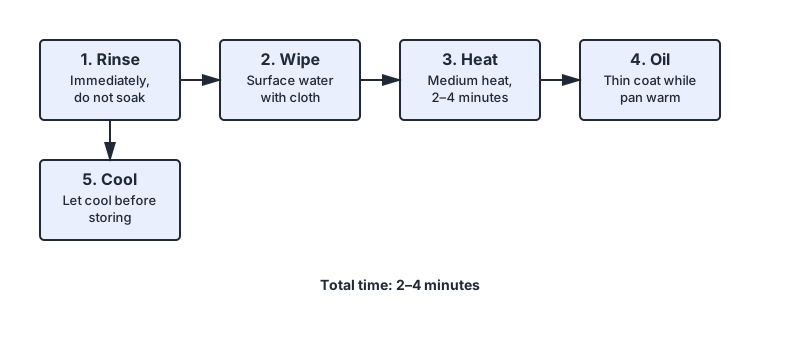
After every wash — whether you used water only, a small amount of mild dish soap, or a chain-mail scrubber — run through this sequence before the pan goes away:
- Rinse immediately. Do not let the pan sit in soapy or plain water; get it rinsed and start drying at once.
- Wipe off surface water with a clean cloth or paper towel. This removes the bulk of the moisture.
- Put the pan on a burner over medium heat for two to four minutes. This is the step most people skip. The heat evaporates residual moisture from the iron’s pores — the part that a towel cannot reach. You will see any remaining water flash off visibly. Turn off the heat once the pan is bone dry and just starting to feel uncomfortably hot to hold near (not touch).
- Apply a very thin coat of oil while the pan is still warm. A neutral oil with a moderate-to-high smoke point — refined coconut oil, flaxseed oil, vegetable shortening, or plain canola oil — works well. Use a folded paper towel to rub a thin layer across the entire interior surface, and then wipe it almost completely off. The pan should look barely shiny, not greasy. Excess oil pools and turns gummy rather than polymerizing into a protective layer.
- Let it cool completely before storage. Storing while still warm in an enclosed cabinet can trap residual moisture.
This routine adds two to four minutes to your cleanup and is the single most effective prevention against rust.
Choosing the Right Oil — and Avoiding Common Mistakes
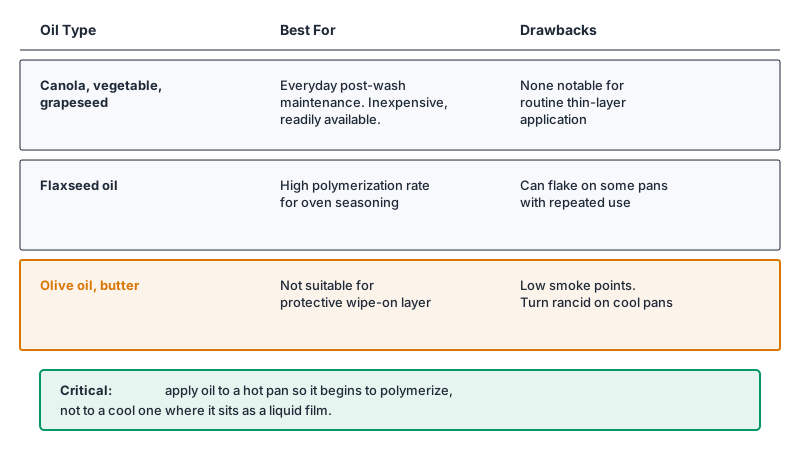
The type of oil matters less than the thickness of the layer. Any neutral oil applied thinly will protect the surface between uses. That said, a few specifics are worth knowing:
- High-smoke-point refined oils (canola, vegetable, grapeseed) are practical for everyday maintenance because they are inexpensive and available. They work well for the thin wipe-on layer after washing.
- Flaxseed oil was popularized as the ideal seasoning oil for its high polymerization rate, but the resulting layer can flake with repeated use on some pans — a phenomenon documented by cast iron enthusiasts and some materials-science observers, though the conditions that cause it are not fully agreed upon. For routine post-wash protection, simpler oils are less likely to cause issues.
- Avoid olive oil and butter for the protective wipe. Both have lower smoke points and contain compounds that can turn rancid when stored for extended periods on a cool pan.
One trap worth naming: applying oil to a cold or even warm-but-not-hot pan and then immediately storing it. The oil sits on the surface as a liquid film rather than beginning to bond with the iron. Warming the pan first means the thin layer starts to polymerize — this is how seasoning builds over time, wash after wash.
Does Soap Actually Damage Cast Iron?
Modern dish soap at typical washing concentrations does not strip a well-established seasoning layer in a single wash. The concern dates to lye-based soaps (sodium hydroxide), which are genuinely corrosive to iron oxide; contemporary surfactant-based soaps are far milder. A few drops of dish soap used briefly to cut grease, then rinsed off promptly, poses minimal risk to a pan with a decent seasoning foundation.
The nuance is that repeated, heavy soap use does gradually thin the seasoning, especially if combined with a rough scrubbing pad. If you notice your pan looking grey or dull rather than dark brown-to-black, and water is no longer beading on the surface, the seasoning has thinned to the point where rust risk rises significantly. At that point, one or two deliberate seasoning sessions in the oven (thin oil layer, 450–500 °F / 230–260 °C for an hour, repeated) will restore the baseline.
For broader habits that keep the rest of your kitchen in good shape alongside your cast iron routine, see 10 Tips for Keeping a Clean Kitchen Every Day.
Storage: Where Pans Live Between Uses
Storage conditions contribute to rust in ways the post-wash routine cannot fully offset if ignored:
- Humidity. Storing cast iron in a damp basement, near a dishwasher, or against an exterior wall in a humid climate keeps ambient moisture in contact with the iron. A dry interior cabinet or a hook near the stove is preferable.
- Paper towel between stacked pans. If you stack, place a dry paper towel or a pan separator between each pan. This absorbs any residual surface moisture and prevents the localized rust spots that form where metal presses against metal.
- Hanging storage eliminates the stacking problem entirely and allows air circulation around the pan. Wall-mounted hooks or a pot rack are particularly practical if you cook with cast iron regularly.
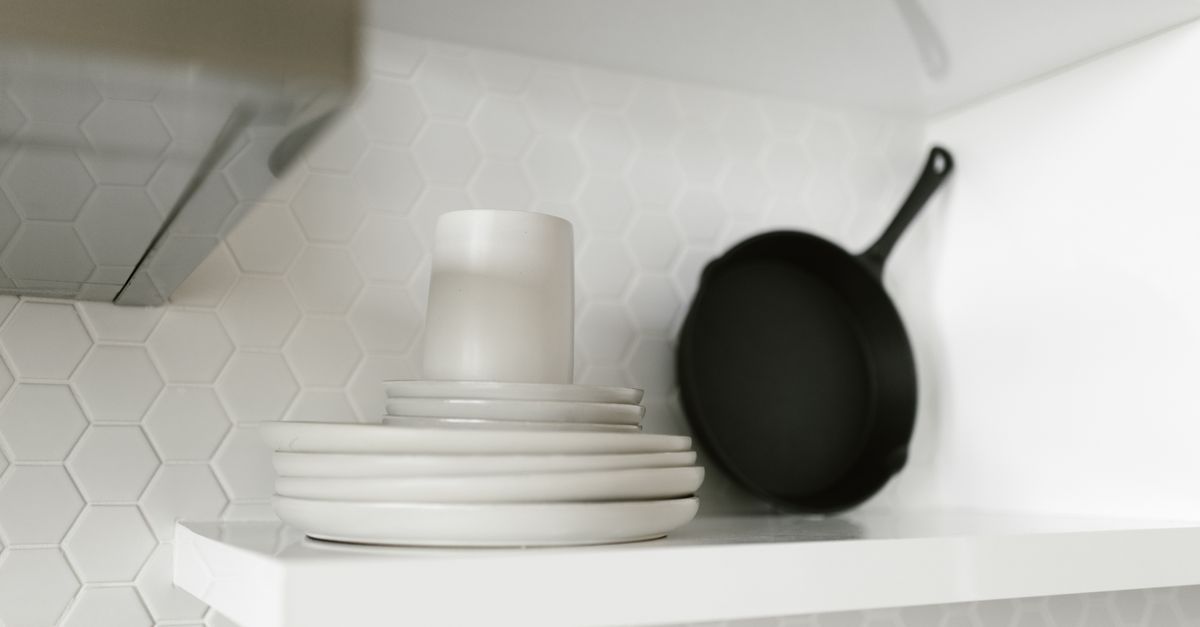
If you’re still shopping around or wondering whether your current pan is worth all this upkeep, Best Cast Iron Skillets for Everyday Cooking rounds up options built to hold seasoning well.
When Rust Spots Appear Anyway
Even with a good routine, a spot of surface rust occasionally appears — especially after a pan sits unused for several weeks in a humid environment. Surface rust is almost always recoverable:
- Scrub the affected area with a cut half of a raw potato dipped in coarse salt, or use a fine steel wool pad. Both abrade the rust without gouging the iron.
- Rinse, then immediately run through the full dry-heat-and-oil routine above.
- If rust covers a large area, a soak of one part white vinegar to one part water — limited to no more than 30 minutes — loosens stubborn rust. Longer soaks risk pitting the iron itself, not just removing the rust.
- After any aggressive rust removal, the pan will need one or two oven-seasoning sessions before it is back to a reliable non-stick baseline.
Frequently Asked Questions
Can I put cast iron in the dishwasher if I season it right after?
The dishwasher is not a good environment for cast iron regardless of how quickly you re-season afterward. The combination of prolonged steam, hot water, and dishwasher detergent strips seasoning far more aggressively than hand washing. A single dishwasher cycle can undo many cooking sessions of gradual seasoning buildup. Stick to hand washing.
How long can I leave cast iron wet before rust starts?
This varies with temperature, humidity, and how bare the metal is, but rust can begin to form on exposed cast iron in as little as a few hours in a humid kitchen environment. On a well-seasoned surface, the window is longer because the oil layer slows moisture contact. The safest habit is to dry and oil the pan before it ever cools down from washing.
Does cooking acidic foods strip the seasoning?
Yes, cooking highly acidic foods — tomato sauce, wine-based braises, or citrus — for extended periods can soften and partially lift a seasoning layer. A brief sauté of something acidic causes minimal damage; a long, slow braise in tomatoes can leave the surface noticeably thinner. After cooking acidic dishes, the post-wash oil step is especially important.
Is a fully black, non-stick surface necessary to prevent rust?
No. A fully black surface indicates thick, well-polymerized seasoning and is great for cooking performance, but even a moderate, consistent seasoning layer is enough to prevent rust under normal storage conditions. Rust prevention primarily requires that bare iron never sits in contact with moisture — a pale brown seasoning achieves that if it covers the surface without gaps.
What is the difference between surface rust and rust that has pitted the iron?
Surface rust (reddish-orange discoloration that scrubs away without leaving craters) is cosmetic and fully repairable. Pitting — visible craters or rough texture that remains after scrubbing — means the iron itself has corroded. Pitted pans are still safe and usable; the pits cannot be filled back, but the pan can be reseasoned and used normally. Very deep pitting affects cooking performance more than safety.