Simple Spice Blends: How to Make and Use Them at Home

Why Making Your Own Spice Blends Is Worth the Effort
Pre-made spice blends from the grocery store are convenient, but they come with trade-offs: proprietary mixes often contain fillers, anti-caking agents, or surprising amounts of salt. More importantly, the spices inside have usually been sitting in a warehouse before they ever reached your shelf. Freshness matters — volatile aromatic compounds (the molecules responsible for flavor and fragrance) begin to degrade as soon as a spice is ground.
When you build a blend at home, you control every gram. You can calibrate heat, sweetness, and earthiness to what you actually like. And because you start with whole or recently-purchased spices, the result smells and tastes noticeably more vivid than most store-bought equivalents.
This guide covers the principles behind building a blend, a few proven formulas you can make this week, and practical ways to put each one to work in your kitchen.
The Core Principles of Building a Spice Blend
Think in Layers: Base, Middle, and Top Notes
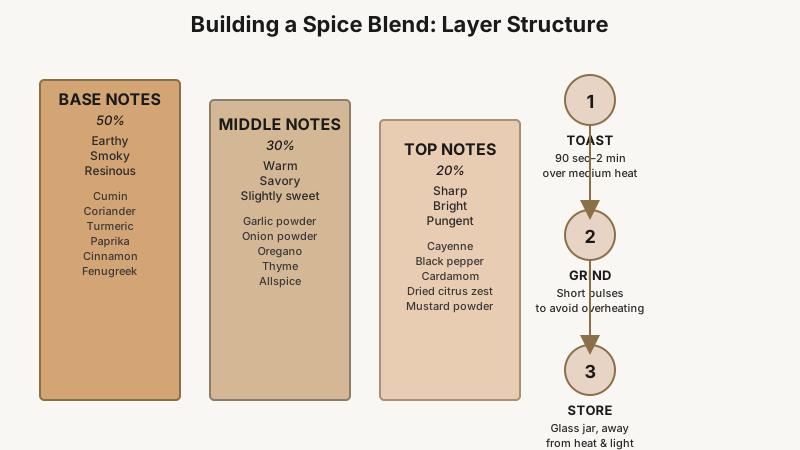
A well-balanced spice blend borrows a concept from perfumery: base notes anchor the blend and linger longest, middle notes define its character, and top notes add the bright, fleeting punch you notice first.
- Base notes (earthy, smoky, resinous): cumin, coriander, turmeric, smoked paprika, cinnamon, fenugreek
- Middle notes (warm, savory, slightly sweet): garlic powder, onion powder, oregano, thyme, allspice
- Top notes (sharp, bright, pungent): cayenne, black pepper, cardamom, dried citrus zest, mustard powder
A useful starting ratio is roughly 50% base, 30% middle, 20% top. That’s not a rigid rule — some blends invert it entirely — but it prevents any one note from bulldozing the others.
Toast Before You Grind (When Possible)
Toasting whole spices in a dry skillet for 90 seconds to 2 minutes over medium heat before grinding them releases oils trapped inside and adds a gentle nuttiness that ground-from-the-bag spices can’t replicate. You’ll know it’s working when a pleasant, slightly smoky aroma rises from the pan. Pull them off heat the moment they smell good — another 30 seconds can tip into bitter.
If you only have pre-ground spices, a brief 30-second warm in the dry pan still wakes them up a little.
Grind Fresh, Store Smart
A cheap blade coffee grinder dedicated to spices works perfectly well. Grind in short pulses rather than one long run to avoid overheating the powder. For large batches, a mortar and pestle gives you better texture control on coarser blends like a za’atar or a ras el hanout.
Store finished blends in a small glass jar with a tight lid, away from direct heat and light. A kitchen drawer or a closed spice cabinet is better than the shelf directly above your stove. Properly stored, a homemade blend will hold most of its flavor for three to six months — though some blends with high paprika content lose their color sooner.

If you want to take this further and stock a full range of spices for endless blend variations, Build a Versatile Spice Cabinet from Scratch: Skip The Stale Jars walks through building that collection from the ground up.
Five Reliable Homemade Spice Blends
1. All-Purpose Everyday Seasoning
This is the one to reach for when you don’t want to think too hard. It works on roasted vegetables, grilled chicken, scrambled eggs, and popcorn alike.
Ingredients (makes about 6 tablespoons):
- 2 tbsp smoked paprika
- 1 tbsp garlic powder
- 1 tbsp onion powder
- 1 tsp ground black pepper
- 1 tsp dried thyme
- 1 tsp ground cumin
- ½ tsp cayenne (adjust to taste)
Whisk everything together. Taste a pinch on a neutral cracker before you commit — it’s far easier to add more heat at this stage than to walk it back.
How to use it: Rub 1–2 teaspoons into chicken thighs before roasting at 200°C/400°F. Toss a sheet pan of root vegetables with olive oil and a tablespoon of the blend. Stir into hummus or cream cheese for a fast dip.
2. Warming Moroccan-Style Blend (Ras el Hanout Inspired)
Traditional ras el hanout can contain 20 or more spices. This simplified version keeps the spirit — sweet, warm, slightly floral — while being practical for a home pantry.
Ingredients:
- 2 tsp ground cumin
- 2 tsp ground coriander
- 1½ tsp ground cinnamon
- 1 tsp ground ginger
- 1 tsp smoked paprika
- ½ tsp ground turmeric
- ½ tsp ground allspice
- ¼ tsp ground cardamom
- ¼ tsp cayenne
- ¼ tsp ground black pepper
How to use it: Add 1–2 teaspoons to a lamb or chickpea stew. Rub on salmon before pan-searing. Mix into Greek yogurt with a little lemon juice for a marinade or dipping sauce.
3. Smoky Barbecue Rub
This dry rub balances sweetness against smoke and heat — the combination that makes a good crust on grilled or oven-roasted meat.
Ingredients:
- 2 tbsp smoked paprika
- 1 tbsp brown sugar
- 1 tbsp garlic powder
- 1 tsp ground black pepper
- 1 tsp dry mustard powder
- 1 tsp onion powder
- ½ tsp cayenne
- ½ tsp ground cumin
How to use it: Press 1–2 tablespoons firmly onto pork ribs, brisket, or chicken at least 30 minutes before cooking to let it form a paste-like crust (the sugar draws moisture to the surface). It also works well stirred into baked beans or mixed into a burger patty.

4. Za’atar
Za’atar is one of the most practical blends you can make — it’s used across the Levantine world as a condiment, a topping, and a marinade base. The key ratio is tangy-to-herbal: the sumac and sesame seeds shouldn’t be afterthoughts.
Ingredients:
- 3 tbsp dried thyme (or a mix of thyme and dried marjoram)
- 1 tbsp ground sumac
- 1 tbsp toasted sesame seeds
- ½ tsp sea salt
Don’t grind this one to powder — a coarser texture is traditional and more interesting.
How to use it: Stir 2–3 teaspoons into good olive oil and drag warm flatbread through it. Sprinkle over labneh or feta. Press onto chicken breasts or fish fillets before roasting. Add to the dressing for a tomato-cucumber salad.
5. Chai-Inspired Warming Spice Mix
This works well beyond tea — it’s genuinely useful in baking, oatmeal, and savory applications where you’d use cinnamon anyway.
Ingredients:
- 2 tsp ground cinnamon
- 1 tsp ground ginger
- ½ tsp ground cardamom
- ¼ tsp ground cloves
- ¼ tsp ground black pepper
- ¼ tsp ground allspice
How to use it: Add 1–2 teaspoons to a batch of granola before baking. Stir into warm milk or oat milk, sweetened to taste. Mix into pancake batter. Dust over roasted sweet potato or butternut squash — the sweetness of the vegetable plays well against the pepper and clove.
Using Your Blends: Practical Techniques
Since fresh produce often shares the fridge with your spice-rubbed meats and marinades, How to Store Cut Vegetables and Keep Them Fresh is a handy companion for keeping the rest of your ingredients in top shape.
Layering at Different Stages of Cooking
A common mistake is adding spice only at one point. For deeper flavor, try adding half the blend early — in hot oil, before the main ingredients go in — and reserving a small amount to stir in at the end. The first addition undergoes changes that produce nutty, complex notes; the late addition preserves the bright, fresh volatiles.
Blooming in Fat
Fat-soluble flavor compounds — the ones responsible for much of cumin’s muskiness and coriander’s floral quality — need fat to dissolve and spread. Stirring your blend into a tablespoon of warm oil or butter for 30–60 seconds before adding onions or garlic creates a more evenly flavored dish than adding the spices dry.
Knowing When Not to Toast
Delicate blends like za’atar and chai spice don’t need more heat — they lose their fresh notes quickly. Add these toward the end of cooking or use them as finishing touches.

Making Wet Pastes and Marinades
Any dry blend can become a marinade in minutes: combine 1–2 teaspoons with oil, an acid (lemon juice, yogurt, vinegar), and a little salt. A few hours of contact — or overnight — allows the flavors to penetrate rather than just coat the surface. The acid also helps tenderize protein.
Frequently Asked Questions
How long do homemade spice blends last?
Most retain their best flavor for three to six months in a sealed glass jar kept away from heat and light. They don’t go bad in a safety sense — dried spices simply lose potency over time. A sniff test is reliable: if you can barely smell it, it won’t contribute much to food.
Should I add salt to my blend?
That depends on how you plan to use it. A salt-free blend is more flexible — you can use it as a finishing seasoning, in recipes that already have salt, or on foods where you want precise control. If you do add salt, note it clearly on the jar so you don’t accidentally double-salt a dish.
Can I use fresh herbs instead of dried?
Fresh herbs have too much moisture to work in a dry spice blend — they’d cause the mixture to clump and spoil quickly. Stick to dried herbs for stored blends. Fresh herbs are better added separately at the end of cooking.
My spices are already a year old. Are they still usable?
They won’t make you ill, but they may be significantly less flavorful. Rub a small pinch between your fingers and smell it. If the aroma is weak or flat, increase the quantity you’d normally use, or consider replacing the most faded spices before making a fresh batch.
What’s the most versatile single spice to build a collection around?
Smoked paprika earns that title in most kitchens — it adds color, subtle sweetness, and depth to almost anything without dominating the way cayenne or cumin can. It bridges European and Middle Eastern flavor profiles, and a small amount goes into nearly all five blends in this guide.