Build a Versatile Spice Cabinet from Scratch: Skip The Stale Jars

Starting a spice cabinet from zero can feel like standing in a grocery store aisle staring at a wall of amber jars, unsure which ones will actually earn their shelf space. The goal here is practical: pick the right foundation spices, store them properly, and build outward into regional flavors over time — without spending a fortune or accumulating a drawer full of stale powder.
Why Your Spice Cabinet Matters More Than Your Recipes
A well-stocked spice rack is, in effect, a shortcut to cooking confidence. The same boneless chicken thigh tastes like a Moroccan tagine or a Tex-Mex filling depending on the spices you reach for. That flexibility is the real payoff — not just variety for its own sake.
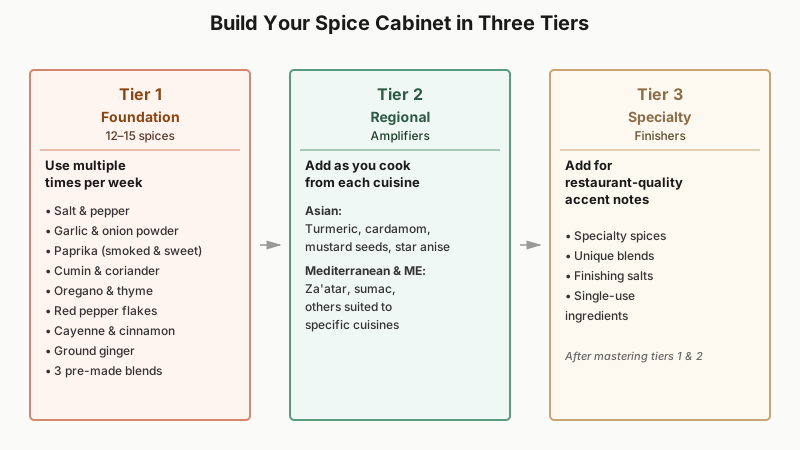
The problem with most advice on this topic is that it dumps a list of 40 spices on you at once. Instead, think of building in three deliberate tiers:
- Foundation spices — the everyday workhorses you’ll use multiple times a week
- Regional amplifiers — ingredients that unlock specific cuisines
- Specialty finishers — the accent notes that make a dish feel restaurant-quality
This tiered approach also saves money. You buy what you’ll actually use before moving on to the next layer.

Tier 1: The Foundation Spices
These 12 to 15 spices handle the vast majority of everyday cooking. Buy them first. Replenish them often.
Salt and Pepper — but Specific Ones
Not all salt is interchangeable. Kosher salt (Diamond Crystal or Morton) is the standard for cooking because its flake size makes seasoning intuitive. Fine sea salt is better for baking. Iodized table salt has a slight metallic edge many cooks notice. Pick one kosher salt and stick with it so you develop a calibrated feel for how much to use.
For pepper, whole black peppercorns you grind fresh beat pre-ground by a wide margin. The volatile oils that give pepper its heat and aroma dissipate quickly once cracked. A basic burr grinder or even a $5 disposable mill makes a real difference.
The Everyday Aromatics
- Garlic powder — not a replacement for fresh garlic, but a different flavor profile that coats evenly and doesn’t burn as quickly
- Onion powder — underrated; blends smoothly into rubs, sauces, and soups
- Smoked paprika — one of the most versatile spices in any kitchen; adds depth, color, and a gentle smokiness without any heat
- Sweet (regular) paprika — milder, brighter, useful in Hungarian and Spanish dishes
- Cumin — earthy and warming; essential in Mexican, Indian, and Middle Eastern cooking
- Coriander — pairs naturally with cumin and adds a faintly citrusy note
- Dried oregano — the Mediterranean standard; also works in Tex-Mex
- Dried thyme — blends into roasts, braises, and soups without dominating
- Red pepper flakes — adjustable heat in pasta, pizza, stir-fries
- Cayenne — pure heat; a pinch goes a long way
- Cinnamon — works in both sweet and savory dishes (Moroccan lamb, chai, baked goods)
- Ground ginger — savory applications in stir-fries and marinades, sweet ones in baking
Pre-Made Blends Worth Keeping
Blends get a bad reputation among purists, but a few are genuinely useful:
- Chili powder (the American blend variety, not pure ground chilies) — a convenient mix of cumin, paprika, garlic, and oregano ready for weeknight cooking
- Italian seasoning — saves time when you need that herbal backbone fast
- Garam masala — an Indian spice blend that shortcuts the process of building layered curry flavor
Avoid blends with high salt content if you want control over seasoning. Read the label.
If you’d rather mix your own instead of buying pre-made jars, Simple Spice Blends: How to Make and Use Them at Home shows you how to craft and use custom blends at home.
Tier 2: Regional Amplifiers
Once the foundation is solid, you can expand into specific flavor traditions. Add these as you start cooking regularly from a cuisine — not before.

South and Southeast Asian
- Turmeric — earthy and staining; foundational to curries and golden milk
- Cardamom (green) — floral and aromatic; buy whole pods and crack them rather than using ground, which loses potency fast
- Mustard seeds — tempered in hot oil, they pop and add a nutty depth to dal and vegetable dishes
- Fenugreek — slightly bitter, maple-like; a small amount goes far in curry pastes
- Star anise — central to Chinese five-spice, Vietnamese pho, and some Indian biryanis
- Sichuan peppercorns — not a true pepper; creates a tingling, numbing sensation used in mapo tofu and dry-fried dishes
Mediterranean and Middle Eastern
- Za’atar — a blend of dried herbs, sumac, and sesame seeds; great on flatbread, eggs, and roasted vegetables
- Sumac — tangy, deep red, and lemony; replaces lemon juice in dry preparations
- Harissa powder or paste — North African chili blend with cumin and caraway
- Ras el hanout — a complex Moroccan blend that often contains over a dozen spices; buying a good pre-made version is entirely reasonable
Latin American and Caribbean
- Achiote (annatto) — earthy and slightly peppery; gives dishes that signature red-orange color
- Dried chili varieties — ancho, guajillo, and pasilla each have distinct fruit and heat profiles; rehydrating whole dried chilies produces flavors that chili powder cannot replicate
- Epazote — a pungent Mexican herb used in black beans and quesadillas
East Asian
- Five-spice powder — star anise, cloves, Chinese cinnamon, Sichuan peppercorn, fennel seeds
- White pepper — sharper, more floral than black; standard in Chinese and Vietnamese cooking
- Dashi powder or MSG — not a spice in the traditional sense, but essential umami amplifiers worth keeping on hand
Tier 3: Specialty Finishers
These are the spices you reach for at the end of cooking, to add aroma, texture, or a final punch.
- Flaky sea salt (Maldon or similar) — for finishing; it dissolves slowly and adds a textural crunch that kosher salt cannot
- Saffron — expensive but a small pinch transforms paella, risotto, and Persian rice dishes
- Dried lavender — use with extreme restraint in Provençal rubs or honey-glazed items
- Vanilla beans or paste — far more aromatic than extract for custards and high-quality baked goods
- Urfa biber (Turkish chili flakes) — smoky, raisin-like, oily; sprinkle on hummus, eggs, or grilled meats
Storage: Where Most Spice Cabinets Go Wrong
Buying the right spices is only half the work. Storage is where most people lose money and flavor.
For a step-by-step approach to organizing shelves, jars, and layout once you’ve built your collection, check out Spice Cabinet Organization: 7 Steps to Easy Cooking.
The Three Enemies of Spice Quality
- Heat — Never store spices above or near the stove. The warmth degrades volatile compounds quickly. A drawer on the other side of the kitchen or a wall-mounted rack away from the range is far better.
- Light — UV exposure accelerates breakdown. Opaque tins or dark glass jars are ideal. If using clear glass, keep them in a closed cabinet.
- Moisture — Never shake a spice jar over a steaming pot. Moisture introduced into the jar accelerates clumping and mold. Spoon it out instead.
Whole vs. Ground: A Real Difference
Whole spices last significantly longer than ground — often two to four years versus six months to a year for ground versions. If you have a small spice grinder (a repurposed coffee grinder works well), buying whole cumin, coriander, fennel, and peppercorns and grinding them as needed makes a noticeable difference in flavor and saves money over time.
How to Tell if a Spice Is Dead
Open the jar and smell it. A fresh spice hits you immediately — it has presence. A stale spice smells faint or dusty. You can also rub a small amount between your palms: warmth releases the volatile oils, and if there’s nothing there, the spice has lost most of its value. Throw it out. Old spices don’t hurt you, but they’re adding very little to your cooking.
Labeling and Dating
Write the purchase date on a small piece of tape on the bottom of each jar. It sounds fussy but it takes ten seconds and prevents the guessing game six months later. Whole spices: refresh every two years. Ground spices: every year for high-turnover items, every six to eight months for those you use rarely.

Buying Smart: Where to Source Your Spices
Avoid the Supermarket for Rare Spices
Supermarket spice brands are fine for everyday staples, but they often charge a premium for small quantities of specialty spices with unknown shelf time. For regional spices, better sources include:
- Indian or South Asian grocery stores — cardamom, mustard seeds, fenugreek, and turmeric at a fraction of supermarket prices and with rapid turnover (fresher stock)
- Middle Eastern markets — za’atar, sumac, and dried rose petals at fair prices
- Latin grocery stores — dried whole chilies, achiote, and Mexican oregano (which is different from Mediterranean oregano)
- Online spice retailers — companies like Burlap & Barrel, Diaspora Co., and Oaktown Spice Shop source directly from farms and publish harvest dates on their products; the flavor difference is often striking
Buy in Small Quantities
The impulse to buy the large jar because it’s better value per ounce makes sense only if you’ll use it before it goes stale. For spices you use every few months, the small jar is the better deal in practice.
Building the Cabinet Over Time
Here’s a realistic sequence:
Month 1: Buy the 12-15 foundation spices plus one pre-made blend. Cook with them daily. See what runs out first — that tells you what you actually cook.
Month 2–3: Add regional spices for one cuisine you want to explore more deeply. If you’re cooking a lot of Indian food, add turmeric, whole cardamom, mustard seeds, and fenugreek. If Mexican, add whole dried chilies and achiote.
Months 4 onward: Fill gaps as specific recipes call for them. Don’t buy a spice for one recipe unless you have a plan for what else you’ll use it in. A simple rule: if you can’t think of at least three uses for a spice, don’t buy it yet.
Over time, your cabinet becomes a direct reflection of how you actually cook — not a generic list.
A Final Note on Quality
The difference between a good and a mediocre spice cabinet isn’t the number of jars. It’s the quality of what’s in them and how recently they were purchased. A simple rack with 15 fresh, correctly stored spices will produce better food than a cluttered cabinet of 60 jars, half of which haven’t been touched since a long-ago dinner party.
Start narrow, buy fresh, store correctly, and expand intentionally. That’s the whole strategy.