Defrost & Cook Frozen Shrimp Without Watering Them Down

Why Frozen Shrimp Often End Up Bland and Soggy
Frozen shrimp have an undeserved reputation. The problem isn’t the shrimp — it’s almost always the thawing and cooking method. Most shrimp are frozen within hours of being caught, which actually locks in more flavor than “fresh” shrimp sitting on ice at a fish counter for several days. Get the process right, and you can coax out a clean, sweet, briny bite every time.
The enemy here is excess moisture. Water trapped in the flesh dilutes seasoning, steams the shrimp instead of searing them, and washes out whatever sauce they’re swimming in. Two steps — thawing and drying — determine whether you end up with a flabby, gray shrimp or one with a proper snap and caramelized exterior.

The Right Way to Defrost Frozen Shrimp
The same bacteria-safety principles apply to other proteins, so if you’re often working with frozen cuts, How to Defrost Frozen Meat Safely: Stop Bacteria in Its Tracks is a useful companion read.
Cold-Water Thawing (Best for Tonight’s Dinner)
This is the fastest food-safe method, and it’s what most restaurants use.
- Leave the shrimp in their bag, or transfer them to a zip-lock bag.
- Submerge the bag in a large bowl of cold tap water.
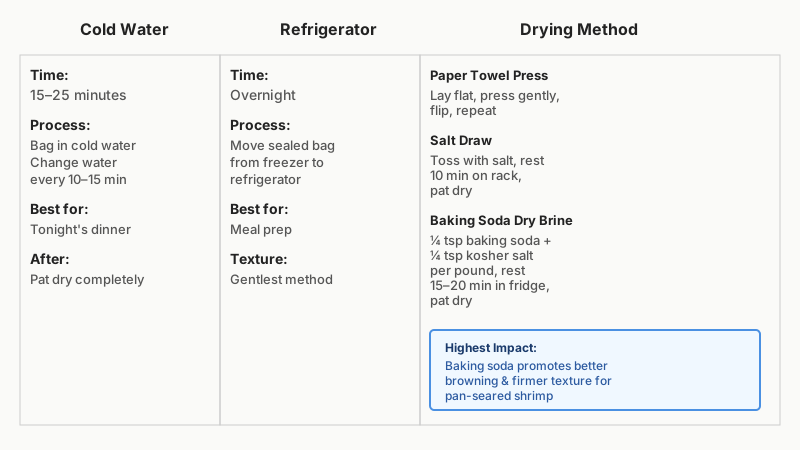
- Change the water every 10–15 minutes to keep it from warming up.
- Most shrimp (1 lb / 450 g) are fully thawed in 15–25 minutes depending on size.
Why cold and not warm? Warm water begins to cook the outer layer while the interior stays frozen, which unevenly softens the flesh and accelerates bacterial growth. According to USDA food safety guidelines, shrimp should never be thawed at room temperature or under hot water.
After thawing: Drain completely, then spread the shrimp on a clean kitchen towel or several layers of paper towels. Pat them dry on both sides. This step is non-negotiable — any surface water left on the shrimp will turn your searing pan into a steamer.
Overnight Refrigerator Thawing (Best for Meal Prep)
Move the sealed bag from the freezer to the refrigerator the evening before. Most shrimp are thawed by morning. This method is the gentlest on texture because the temperature stays low and even throughout. Pat dry before cooking just the same.
What About Thawing in the Microwave?
Avoid it if you can. Microwave thawing heats unevenly — some shrimp begin to cook and turn rubbery before others have fully thawed. If you’re in a genuine pinch, use the “defrost” setting in short 10-second bursts and rotate constantly. Cook immediately.
Can You Cook From Frozen?
Yes, for certain methods — boiling and steaming, specifically. Drop frozen shrimp straight into well-salted boiling water and add roughly 1–2 extra minutes of cooking time. This works surprisingly well for shrimp cocktail or pasta. It does not work for sautéing or grilling, where surface moisture will prevent any browning.
Drying the Shrimp: The Step Most Recipes Skip
Even after careful cold-water thawing, shrimp hold significant surface moisture. Here’s what actually helps:
- Paper towel press: Lay shrimp flat, lay paper towels on top, press gently, flip, and repeat.
- Salt draw: For particularly watery shrimp, toss them with a pinch of salt and let them sit on a rack for 10 minutes before patting dry. Salt pulls moisture out through osmosis. Rinse quickly if you’re watching sodium, then pat dry again.
- A dry brine with baking soda: A technique borrowed from professional kitchens — toss peeled shrimp with ¼ tsp baking soda and ¼ tsp kosher salt per pound, rest for 15–20 minutes in the fridge, and pat dry. The baking soda slightly raises surface pH, which promotes better browning and keeps the texture firmer. This is the single highest-impact trick for pan-seared shrimp.
How to Cook Frozen (Now Thawed) Shrimp Without Watering Them Down
Pan-Searing: The Most Common Method, Done Right
- Use a wide, heavy pan — cast iron or stainless steel, not non-stick. Non-stick caps the maximum temperature you can reach.
- Heat the pan until it’s genuinely hot before adding oil. A drop of water should skitter and evaporate immediately.
- Add a high smoke-point oil (avocado, refined canola, or clarified butter) and wait for it to shimmer.
- Place shrimp in a single layer with space between them. Overcrowding is the most common mistake — too many shrimp drops the pan temperature, and steam forms instead of a sear.
- Don’t touch them for 60–90 seconds. You want a golden crust before you flip.
- After flipping, cook another 45–60 seconds. Shrimp are done when they’re just opaque through and curled into a loose “C.” A tight “O” shape means overcooked.
Signs you’ve watered the pan down: You’ll see liquid pooling and hear a hiss rather than a sizzle. If this happens, increase the heat, spread the shrimp out more, and let the liquid evaporate before flipping.
Many of the same heat-and-patience principles apply to seafood generally, and How to Cook Fish Without It Sticking to the Pan: Heat, Fat, Patience goes deeper into getting a clean sear without a mess.
Grilling
Grill-ready shrimp must be completely dry on the surface. Skewer them through two points (near the head end and the tail) so they don’t spin. Grill over high, direct heat for 2–3 minutes per side. No lid needed — you want dry, radiant heat, not trapped steam.
Roasting
High-heat roasting (220°C / 425°F) is a low-effort method that actually handles moisture well because the oven’s dry air evaporates it. Spread the dried shrimp on a sheet pan in a single layer, toss with oil and seasoning, and roast for 6–8 minutes. No flipping required for medium shrimp; larger ones may benefit from a turn halfway through.
Boiling and Poaching
For shrimp cocktail, boiling is fine. Salt the water generously — it should taste like mild seawater. Boil just until the shrimp curl and turn opaque, then transfer immediately to an ice bath to stop cooking. The ice bath is what keeps boiled shrimp from going rubbery.
Adding Shrimp to Stir-Fries and Sauces
Add shrimp last, after the rest of the dish is nearly cooked. This limits the time they spend releasing moisture into your sauce. If the sauce still becomes watery, remove the shrimp with a slotted spoon, reduce the sauce briefly over high heat, then return the shrimp just long enough to coat them.
Common Mistakes and How to Fix Them
| Mistake | What Happens | Fix |
|---|---|---|
| Thawing in warm water | Uneven texture, food safety risk | Use cold water only |
| Skipping the pat-dry | Pan floods, no sear | Always dry thoroughly |
| Overcrowding the pan | Steam instead of sear | Cook in two batches if needed |
| Pan not hot enough | Pale, soft exterior | Preheat until oil shimmers |
| Overcooking | Rubbery, dry shrimp | Pull at loose “C” shape |

Frequently Asked Questions
Can I refreeze shrimp after thawing?
Yes, if you thawed them in the refrigerator and they haven’t been sitting for more than two days. Do not refreeze shrimp thawed by the cold-water method unless you cook them first, as the rapid temperature change degrades texture more noticeably on a second freeze-thaw cycle.
Why do my shrimp smell like ammonia after thawing?
An ammonia smell is a sign of protein breakdown — the shrimp were either old at the time of freezing or were thawed and refrozen more than once. Discard them. Fresh-smelling shrimp should have a clean, mild ocean scent, nothing sharp.
Does peeling before or after cooking affect moisture?
Peeling before cooking exposes the flesh directly to dry heat, which promotes better browning. Cooking shell-on retains slightly more moisture inside but sacrifices surface color. For searing and grilling, peel first. For boiling, shell-on is fine and some prefer the flavor.
What size shrimp works best for searing?
Large to jumbo (21/25 count per pound or bigger) give you a better surface-area-to-mass ratio — enough time on the heat to build a crust without overcooking the interior. Very small shrimp (51/60 count) sear too fast to develop color reliably.
Is the baking soda trick safe to use?
Yes. The quantities are small (¼ tsp per pound), and a 15-minute rest followed by a light rinse leaves no detectable off-flavor. It’s a standard technique used in Chinese stir-fry cooking to velvet proteins.