Pan-Seared Salmon: How to Cook It Perfectly Every Time

Salmon is one of the easiest fish to ruin and one of the easiest to cook brilliantly — the difference often comes down to a few minutes and a hot pan. Get those right, and you end up with a fillet that’s crispy on the outside, silky in the center, and genuinely satisfying. Get them wrong, and you’re left with something rubbery, dry, or stuck to the pan. This guide cuts through the noise and shows you exactly how to cook salmon in a pan from start to finish.
Choose the Right Fillet Before You Even Turn on the Stove
The pan is only half the equation. What you put in it matters just as much.
Skin-on vs. skin-off
Skin-on fillets are strongly preferable for pan cooking. The skin acts as a natural barrier between the delicate flesh and direct heat, reducing the risk of overcooking while crisping up beautifully on its own. Skin-off fillets work, but they require more attention and a gentler heat.
Thickness is key
Aim for fillets that are at least 1 inch (2.5 cm) thick. Thinner pieces cook through before the outside has time to develop a proper crust. If your fillets are uneven — thicker at one end, tapering to a tail — fold the thin part underneath itself so the fillet cooks evenly.
Wild-caught vs. farmed
Both are perfectly fine for pan cooking. Wild sockeye and coho tend to be leaner and cook slightly faster; farmed Atlantic salmon has more fat, which forgives minor errors in timing. Neither is universally superior — it comes down to preference, availability, and budget.
Pat it dry — seriously
Moisture is the enemy of a good sear. Before the fillet ever sees a pan, press paper towels firmly against both sides until no surface moisture remains. This one step separates a golden crust from a grey, steamed-looking surface.

Getting the fillet properly dry matters so much that we’ve dedicated a whole guide to it, How to Cook Fish Without It Sticking to the Pan: Heat, Fat, Patience, which digs deeper into the heat-fat-patience balance behind a good sear.
How to Cook Salmon in a Pan: The Exact Method
The technique below works for a standard 6-ounce (170 g) skin-on fillet, roughly 1 to 1.5 inches thick. Adjust timing slightly for thinner or thicker pieces.
What you need
- A heavy skillet — cast iron or stainless steel. Non-stick works in a pinch but won’t give you the same level of crust.
- A neutral high-smoke-point oil: avocado, grapeseed, or refined sunflower. Avoid extra-virgin olive oil, which burns at the temperatures needed for a good sear.
- Salt and pepper — applied generously and just before cooking.
- A fish spatula (thin and flexible) for flipping without tearing the fillet.
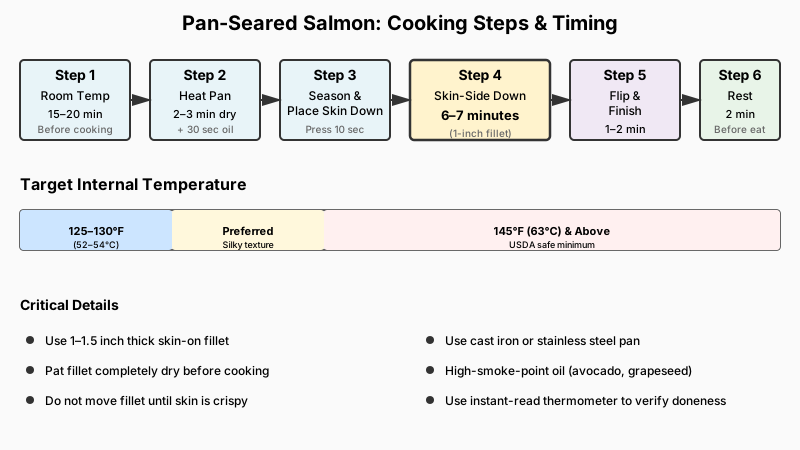
Step 1: Bring the fish to room temperature
Take the salmon out of the refrigerator 15 to 20 minutes before cooking. Cold fish hitting a hot pan lowers the surface temperature rapidly, disrupting the sear. It also leads to a fillet that’s overcooked outside and still cold in the center.
Step 2: Heat the pan properly
Place your skillet over medium-high heat and let it heat for 2 to 3 minutes before adding any oil. You’re looking for the pan itself to be hot, not just the oil. Add a thin layer of oil — enough to coat the bottom — and heat for another 30 seconds until it shimmers. If the oil begins to smoke immediately, lower the heat slightly.
Step 3: Season and place skin-side down
Season the fillet on both sides with salt and pepper right before it goes in. Lower the fillet into the pan skin-side down, pressing it lightly for the first 10 seconds to prevent the skin from curling. Then leave it alone.
This is where most people go wrong: they move it, check it, or flip too early. Don’t. The fillet will release naturally from the pan when the skin is properly crisped.
Step 4: Cook mostly on the skin side
For a 1-inch fillet, cook skin-side down for 6 to 7 minutes. You’ll see the cooked, lighter-pink color creep up the sides of the fillet as it sets from the bottom up. When that line reaches about two-thirds of the way up, you’re ready to flip.
Step 5: Flip and finish briefly
Flip the fillet and cook flesh-side down for just 1 to 2 minutes more. That’s it. The goal is a fillet that’s cooked through but still moist and slightly translucent in the very center — what chefs call medium doneness. The FDA’s safe minimum internal temperature chart lists 145°F (63°C) for fin fish — or until the flesh is opaque and separates easily with a fork — but many cooks prefer pulling it at 125–130°F (52–54°C) for a silkier texture. Use an instant-read thermometer if you’re unsure.
Step 6: Rest before serving
Lift the salmon onto a warm plate and let it rest for 2 minutes. Carryover heat will finish the center without drying it out. This resting period makes a noticeable difference in texture.

Flavour Variations Worth Trying
Once you’ve nailed the base technique, it’s easy to layer in extra flavour without complicating things.
Butter basting
In the last 90 seconds of cooking, add a tablespoon of unsalted butter to the pan along with a crushed garlic clove and a sprig of fresh thyme. Tilt the pan and use a spoon to continuously baste the flesh side of the fillet with the foaming butter. This adds richness and deepens the flavour in a way oil alone never does.
Miso glaze
Whisk together 2 tablespoons of white miso paste, 1 tablespoon of mirin, and 1 teaspoon of honey. Brush it onto the flesh side of the fillet after flipping. It caramelizes in the pan and creates a savoury-sweet crust that pairs exceptionally well with steamed rice and cucumber.
Lemon and caper pan sauce
After removing the cooked salmon, reduce the heat to medium, add a small knob of butter, a squeeze of lemon juice, a tablespoon of capers, and a splash of white wine or chicken stock. Let it bubble for 60 seconds, scraping up any browned bits from the pan. Pour directly over the resting fish. The whole process takes less than 2 minutes and transforms a simple weeknight dinner.
If this combination inspires you, How to Make a Quick Pan Sauce in 5 Simple Steps walks through the technique for building similar sauces from whatever’s left in the pan.
Cajun spiced
Replace plain salt and pepper with a Cajun spice blend (smoked paprika, cayenne, garlic powder, onion powder, dried oregano). The spices form a dark, deeply flavoured crust. Serve with a cool yogurt or sour cream sauce to balance the heat.
Common Mistakes and How to Avoid Them
The pan isn’t hot enough. A lukewarm pan produces a pale, soft skin that sticks. Always preheat fully before the fish goes in.
The fillet goes in wet. Surface moisture creates steam, which prevents browning. Dry the fish thoroughly with paper towels.
Flipping too early. If the fish resists when you try to move it, it isn’t ready. A properly seared fillet lifts cleanly from the pan with minimal resistance.
Overcrowding the pan. Cooking two or three fillets in a pan that’s too small drops the temperature and traps steam. Give each fillet room — or cook in batches.
Cooking on the flesh side too long. Salmon continues to cook off the heat. If you wait until it looks fully done in the pan, it will be overdone on the plate. Pull it while the center still looks slightly underdone.

What to Serve With Pan-Seared Salmon
Salmon is versatile enough to anchor a quick weeknight meal or a dinner party plate. A few combinations that work reliably:
- Grain and greens: Farro or quinoa with wilted spinach and a lemon vinaigrette. The nuttiness of the grain holds up against the richness of the fish.
- Classic sides: Roasted asparagus, green beans almondine, or sautéed broccolini. These cook in roughly the same time as the salmon, so you can prep them in parallel.
- Something creamy: A small scoop of mashed celery root, cauliflower purée, or even a simple yogurt sauce with cucumber and dill cuts through the fat nicely.
- Simple salad: A sharply dressed arugula salad with shaved Parmesan placed underneath or alongside the fish makes for an elegant, low-effort plate.
A Note on Cleaning Up
Pan-cooked salmon can leave behind a strong smell and sticky residue, especially if you used butter. Deglaze the still-warm pan with a splash of water or wine immediately after plating — it lifts the residue and makes washing far easier. For cast iron, avoid soap; just hot water and a stiff brush.
Conclusion
Cooking salmon in a pan is a technique worth mastering because it’s fast, flexible, and consistently produces excellent results when done correctly. The key points bear repeating: dry the fillet, use a properly preheated pan, cook mostly on the skin side, flip once, and pull it slightly before it looks done. Everything else — the glazes, the sauces, the sides — is just building on that foundation. Once you’ve done it two or three times, you won’t need a recipe at all.