Crispy Tofu: 7 Secrets to Getting It Right Every Time

If your tofu keeps turning out soggy, steamy, or sad—you are not alone, and it is not the tofu’s fault. Getting a genuinely crispy exterior on tofu takes a handful of specific techniques, and most recipes skip at least two of them. This guide covers everything: from choosing the right block to the exact moment you should flip it in the pan.
Why Tofu Goes Soft (and How to Stop It)
Tofu is mostly water. A standard block of firm tofu can be 85–90% water by weight. When you apply heat without first removing that moisture, you get steam instead of sear. Steam cooks, but it never browns. Understanding this one fact explains almost every crispy-tofu trick in existence.
The three main culprits:
- Too much moisture in the tofu itself. Even “firm” tofu contains more water than you expect.
- Wet marinades added too early. Soaking tofu in sauce before cooking defeats your own purpose.
- Overcrowded pan. Pack cubes too close and they steam each other instead of browning.
Choosing the Right Tofu
Not all tofu is made equal when it comes to crispiness.
Firm and Extra-Firm Tofu
These are your best options. Extra-firm tofu has less water and a denser protein matrix, so it holds its shape under heat, resists sticking, and develops a satisfying crust. Most reliable for pan-frying and roasting.
Super-Firm (Vacuum-Packed) Tofu
This style—sold vacuum-packed without water—is a game-changer for texture. It skips the pressing step entirely because the water content is already very low. Cut it, season it, cook it. If you can find it, it is worth the upgrade.
Silken and Soft Tofu
These are the wrong tools for crispy. They are built for soups, dressings, and desserts. Trying to fry silken tofu results in collapse before you even get a crust.

The Single Most Important Step: Pressing
If you do only one thing differently, make it this.
Wrap your block of tofu in a clean kitchen towel or several layers of paper towels. Set something heavy on top—a cast-iron skillet, a stack of books, a full water jug. Press for at least 30 minutes. An hour is better. You will be startled by how much liquid pools on the board underneath.
For a faster result, cut the tofu into your final cube or slab size before pressing. More surface area exposed means more water escaping in less time.
Dedicated tofu presses (TofuXpress is one popular option) apply even, adjustable pressure without the balancing act. Worth it if you cook tofu regularly. Note: some of these are sold through affiliate links on recipe sites, so shop around for the best price.
The Freezing Trick (Optional but Effective)
Freeze the tofu block solid, then thaw it completely before pressing and cooking. Freezing changes the internal structure—water expands, creates small pockets, and when it melts out, you are left with a spongier, more porous texture. That texture absorbs marinades better and crisps up faster. The trade-off is a chewier, slightly meatier result, which many people actually prefer.
Coating for Maximum Crunch
A light coating creates a thin crust that protects the tofu from losing more moisture during cooking and adds textural contrast.
Cornstarch (The Classic)
Toss pressed, cubed tofu in 1–2 tablespoons of cornstarch before cooking. You want a thin, dry, powdery layer—not a thick batter. Cornstarch gelatinizes at high heat and creates a crackly shell. This works for both pan-frying and oven-roasting.
Arrowroot Powder
A one-to-one substitute for cornstarch and gluten-free. Behaves nearly identically in high-heat cooking.
Rice Flour
Slightly coarser result than cornstarch. Gives more of a tempura-style bite. Excellent for air-frying.
What to Skip
All-purpose flour works in a pinch but absorbs oil and gets greasy rather than crispy if your pan is not screaming hot.
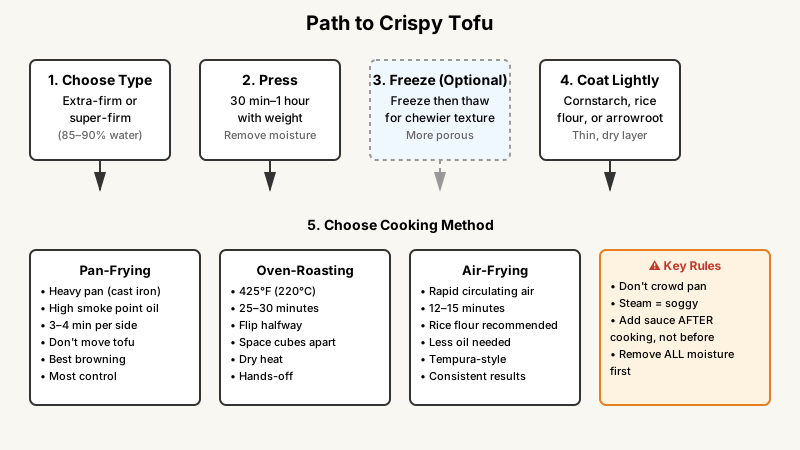
Four Ways to Cook Crispy Tofu
Each method has genuine strengths depending on your equipment and what you are making.
1. Pan-Frying
This gives you the most control and the best browning. The key details:
- Use a heavy pan—cast iron or stainless steel. Non-stick pans can work but do not get hot enough to produce the same sear.
- Get the pan properly hot before adding oil. Drop a tiny piece of tofu in; it should sizzle immediately.
- Use a neutral oil with a high smoke point: refined avocado oil, refined coconut oil, or a light vegetable oil. Olive oil works at medium heat but burns at the temperatures you need.
- Do not move the tofu. This is critical. Let it sit undisturbed for 3–4 minutes per side. The crust will release itself from the pan when it is ready—if you force it, it tears.
2. Oven-Roasting
Hands-off and scales easily. Line a sheet pan with parchment, spread tofu cubes with space between each one, and roast at 425°F (220°C) for 25–30 minutes, flipping halfway. The oven’s dry circulating heat pulls out moisture steadily.
For even better results, skip the parchment and place the tofu directly on a wire rack set over the sheet pan. Air circulation hits all sides at once.
3. Air-Frying
The air fryer is legitimately excellent for tofu. 400°F (200°C) for 15–18 minutes, shaking the basket once at the halfway point. The rapid convection creates an evenly crispy crust with very little oil. This is the fastest route from pressing to eating.

4. Deep-Frying
Unambiguously the crispiest result, though not the everyday method. Heat neutral oil to 350–375°F (175–190°C) and fry small batches for 3–4 minutes until deeply golden. The high oil temperature instantly seals the surface before the inside overcooks. Drain on a wire rack, not paper towels—paper traps steam underneath and softens the bottom.
If you love that shattering crunch, you’ll find the same frying principles applied to vegetables in Crispy Roast Potatoes: The Step-by-Step Guide to Perfect Results.
When to Add Sauce or Marinade
This is where most recipes make a subtle but critical error: they have you marinate the tofu before cooking.
For maximum crispiness, cook the tofu first, then toss it in sauce at the very end—ideally right before serving. A quick glaze applied to already-crispy tofu and returned to the pan for 60–90 seconds will caramelize on the surface without making the crust soggy.
If you want the flavor to penetrate deeper, marinate after pressing but before coating with cornstarch—and keep the marinade thin and not too sugary (sugars burn quickly at high heat).
Seasoning and Flavor Ideas
Crispy tofu is a blank canvas. Some quick finishing directions:
- Soy-ginger glaze: Tamari, fresh ginger, a touch of maple syrup, rice vinegar. Toss with tofu off heat.
- Smoked paprika and garlic: Dust cubes before cooking for a smoky crust that works well in grain bowls.
- Chili crisp: Drizzle over finished tofu for heat and crunchy texture from the crisp itself.
- Sesame and scallion: Sesame oil, toasted sesame seeds, and sliced scallions added after cooking—classic for a reason.

Troubleshooting Common Problems
The crust sticks to the pan. Pan was not hot enough before adding oil, or you moved the tofu too soon. Wait for the natural release.
The tofu is brown outside but rubbery inside. You used silken or soft tofu, or did not press long enough. The inside is still too wet.
The cornstarch coating clumped. The tofu was still damp when you added the starch. Pat dry with a paper towel again before coating.
It’s crispy right out of the pan but gets soft on the plate. Any sauce added too early will re-hydrate the crust. Add sauce at the last moment and serve immediately.
Putting It All Together: A Simple Method
- Press extra-firm tofu for 30–60 minutes.
- Cut into 1-inch cubes or planks.
- Pat dry with paper towels.
- Toss with 1 tablespoon cornstarch, salt, and any dry spices.
- Heat a cast-iron skillet over medium-high until very hot. Add 2 tablespoons of neutral oil.
- Add tofu in a single layer with space between pieces.
- Cook undisturbed for 3–4 minutes per side until deeply golden.
- Glaze or sauce at the very end, toss for 60 seconds, and serve.
Following those eight steps reliably produces tofu with a crispy exterior and a custardy, silky center—exactly what the texture should be.
Since tofu is often served alongside grains, it’s worth also mastering How to Cook Perfect Rice Every Time: Why It Turns Mushy Or Crunchy so both sides of the plate turn out right.
Final Thoughts
Crispy tofu is not complicated once you understand what is actually happening: remove water, apply dry heat, leave it alone. Every technique in this guide serves one of those three principles. Master the press, use cornstarch, and stop moving your tofu too soon—and you will not be disappointed.