Leather Wallet Care: 7 Proven Ways to Keep It Lasting

A quality leather wallet can outlast a dozen cheap alternatives — but only if you treat it right. Left unchecked, leather dries out, cracks along the fold, and stains permanently from something as mundane as a wet pocket. The good news is that caring for one takes maybe 20 minutes twice a year plus a few small daily habits. Here’s exactly what to do.
Why Leather Wallets Deteriorate (And What Actually Causes It)
Leather is tanned animal hide — a natural material that still reacts to its environment long after it’s been made into a product. Two forces do the most damage:
Moisture imbalance. Too little water and the leather’s fibres dry out, becoming brittle and prone to cracking. Too much — like sitting in a wet back pocket — can cause swelling, mold, and water staining. The goal is a stable middle ground.
Oils and body contact. Your skin transfers oils onto whatever you touch frequently, including the inside of a wallet. Over time these oils can darken certain leathers or attract grime. Ironically, the right oils are also what preserve leather — quality is what separates a damaging oil from a conditioning one.
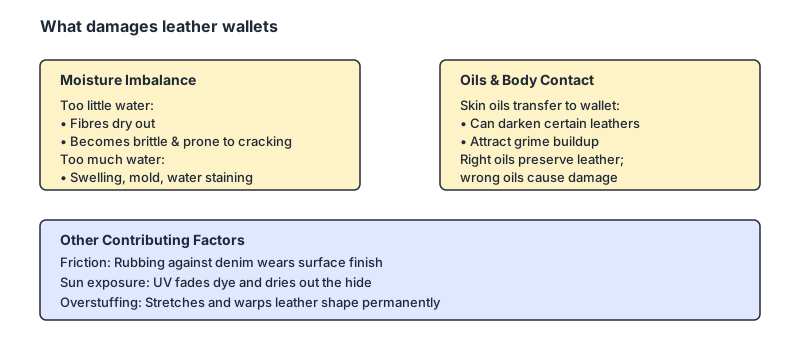
Other culprits include friction (rubbing against denim constantly wears the surface finish), sun exposure (UV fades dye and dries out the hide), and overstuffing (which permanently stretches and warps the leather’s shape).

The 7-Step Leather Wallet Care Routine
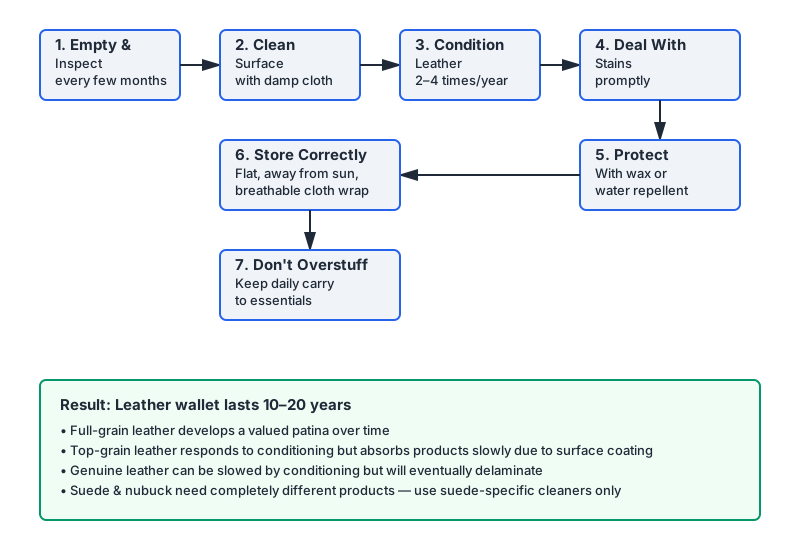
1. Empty and Inspect It Regularly
Before any cleaning, take everything out — cards, cash, receipts. This lets you feel the leather properly and spot early signs of wear: dry patches that feel slightly rough, faint cracking at the fold, or dark stains near card slots.
Do this inspection every few months. Catching a dry patch early means a single conditioning session fixes it; catching it late might mean the surface has already cracked.
2. Clean the Surface Before You Condition
Applying conditioner to a dirty wallet just seals the grime in. Start with a slightly damp (not wet) soft cloth — a microfiber cloth works well — and wipe the exterior and interior surfaces gently. For stubborn scuff marks or surface dirt, a very small amount of saddle soap applied with a damp cloth is effective.
Saddle soap has been used on leather goods for well over a century. It cleans without stripping the leather aggressively, unlike harsh household cleaners. After using it, wipe away any residue with a clean damp cloth and let the wallet air dry fully before moving to the next step. Drying time matters: conditioning leather that’s still damp can trap moisture and invite mold.
What to avoid: dish soap, rubbing alcohol, baby wipes (most contain glycerin and fragrance that can dry or stain), and any solvent-based cleaner. These strip the leather’s natural oils far too aggressively.
3. Condition the Leather
This is the most important step. A good leather conditioner replenishes the oils lost to heat, friction, and time, keeping the fibres supple.
For most wallets, a beeswax-based or lanolin-based conditioner works well — brands like Leather Honey, Bickmore Bick 4, and Saphir Renovateur are widely recommended by cobblers and leather craftspeople. Each has a slightly different finish, so test any new product on a hidden area (like the interior fold) before applying it to the whole wallet.
Application method:
- Apply a small pea-sized amount to a soft cloth
- Work it gently into the leather in circular motions
- Pay extra attention to the main fold line, which takes the most stress
- Let it absorb for at least 15–20 minutes
- Buff away any excess with a clean dry cloth
For most people, conditioning two to three times a year is enough. If you live in a very dry or cold climate — or if you carry your wallet in a back pocket where body heat pulls moisture from the leather — you might condition four times a year.
4. Deal With Stains Promptly
The golden rule with leather stains: act fast, and less is more.
Water stains are common and often look alarming — a dark tidemark ring after a rainy day. The fix is counter-intuitive: dampen the entire wallet surface lightly with a slightly wet cloth so the water mark blends out as the whole piece dries evenly. Let it dry naturally away from heat.
Ink stains are much harder. A small amount of isopropyl alcohol (70%) applied precisely with a cotton swab can lift fresh ink, but it will also lighten the dye slightly in that spot. It’s a last resort. For expensive wallets, a professional leather cleaner is a better call.
Oil and grease stains respond to cornstarch or talcum powder. Dab the stain (don’t rub), apply a light layer of powder, leave it overnight, then brush it away. The powder absorbs the oil before it sets.

5. Protect It With a Wax or Water Repellent
Once the wallet is clean and conditioned, a thin layer of leather wax or a spray-on water repellent adds a barrier against moisture and minor scuffs. Carnauba-based waxes (used in many shoe creams) give a light sheen without making the wallet look plasticky. Spray-on products like Scotchgard Leather Protector are convenient, though always check the product is safe for the type of leather you have — suede needs a different product entirely.
Protecting is optional but worthwhile if your wallet lives in your back pocket or you’re frequently outdoors.
6. Store It Correctly
How you store your wallet when it’s not in use matters more than most people realize.
- Keep it flat or in its natural folded position — never bent backwards or jammed into a tight bag corner
- Avoid direct sunlight — a windowsill or a car dashboard are two of the worst places for leather
- Don’t store it in a plastic bag — leather needs to breathe; airtight storage traps humidity and promotes mold
- For long-term storage, wrap it in a breathable cotton cloth and store it away from heat sources
If you’re rotating between wallets (a common practice among wallet enthusiasts), stuff the unused one loosely with a piece of acid-free tissue paper to help it hold its shape.
7. Don’t Overstuff It
This is a structural care point, not a cleaning one — but it’s the most overlooked. A leather wallet is designed to hold a certain number of cards and some cash. Consistently stretching it beyond that capacity causes permanent warping of the leather around the card slots and along the fold.
Be ruthless about what you carry. Most people who complain about a wallet that “looks blown out” simply carried too many cards for too long. Keep your daily carry to the essentials, and you’ll find the wallet holds its shape for years.
Caring for Different Types of Leather
Not all leather wallets are the same, and the care approach differs slightly depending on the material.
Full-grain leather is the most durable and responds best to conditioning. It develops a patina — a natural darkening and polishing effect from use — that many owners prize. Standard care as described above applies.
Top-grain leather has had its surface sanded and often coated. It’s more uniform looking but slightly less breathable. Conditioning still helps, but because of the surface coating, it absorbs products more slowly.
Genuine leather (often the labeling on budget wallets) is compressed and bonded from leather scraps. It doesn’t respond to conditioning the way full-grain does and tends to delaminate over time regardless of care. Conditioning can slow the inevitable, but don’t expect miracles.
Suede and nubuck require completely different products — no wax, no standard conditioner. Use only suede-specific cleaners and protector sprays, and a brass-bristle suede brush to restore the nap.
Exotic leathers (crocodile, ostrich, python) need specialist care products from the tannery or a professional leather cleaner. Don’t experiment with general conditioners.

For more tips on tackling surface blemishes around the house, How to Remove Scuff Marks from Walls: Erase Streaks Without Repainting shows how to handle a similarly frustrating cleanup job.
Signs You Need Professional Help
Some issues are beyond a home care routine:
- Deep cracks or tears in the leather grain — a professional can sometimes repair these with leather filler
- Persistent mold that returns after cleaning — this often means moisture has penetrated into the stitching or lining
- Significant fading or dye loss — re-dyeing is a skilled process best left to a cobbler or leather restoration specialist
- Structural damage to stitching — a leather repair shop can re-stitch a wallet for far less than replacing it
A good cobbler or leather restoration specialist can often revive a wallet that looks beyond saving, especially if it’s a quality piece worth preserving.
If you’re generally interested in keeping everyday items looking their best, How to Keep Black Clothes From Fading (7 Proven Methods) offers similar practical fixes for another common wardrobe frustration.
Conclusion
Leather wallet care comes down to a handful of habits: clean before you condition, condition before it cracks, protect it from moisture, and never overload it. None of these require expensive equipment — just a soft cloth, the right conditioner, and a bit of consistency.
A full-grain leather wallet treated this way can genuinely last 10–20 years and improve in character the whole time. That’s not just good for your wallet — it’s good value in every sense.