How to Wash a Backpack Properly: Skip The Machine, Save The Straps

Most backpacks take a beating — gym gear, muddy trail dirt, lunch spills, sweaty commutes. Yet a surprising number of people either never wash theirs or toss it in the machine and wonder why the frame warps and the zippers seize up. Washing a backpack isn’t complicated, but doing it wrong can destroy it. Here’s exactly how to get it clean without causing damage.
Before You Touch the Water: Check the Label and the Bag
The first step happens nowhere near a sink. Flip your backpack over and look for the care label — usually sewn into an interior seam or pocket. Manufacturers print washing instructions there for a reason: different materials (nylon, polyester, canvas, leather-trimmed) respond very differently to heat, agitation, and detergent.
Common label findings:
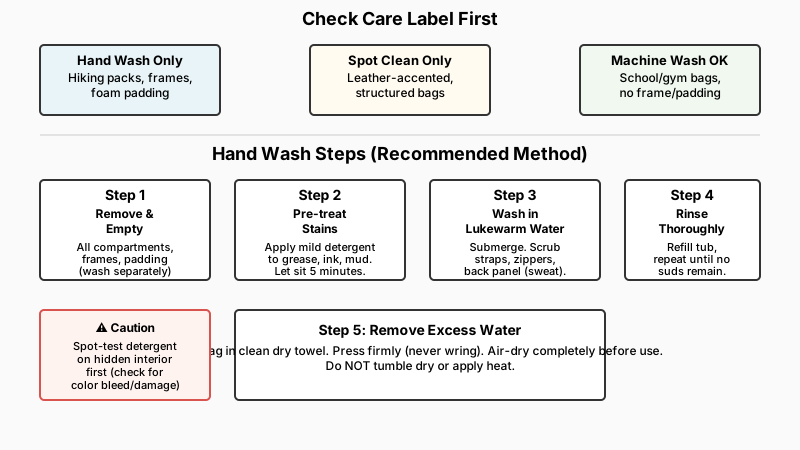
- Hand wash only — usually applies to technical hiking packs with internal frames, foam padding, or waterproof coatings
- Spot clean only — often found on leather-accented or heavily structured bags
- Machine wash cold, gentle cycle — increasingly common on school and lifestyle bags
- Do not bleach / do not tumble dry — almost universal on any quality pack
If there’s no label or it’s faded beyond reading, default to hand washing. It’s always the safer choice.
Empty It Completely — and Mean It
Unzip every single compartment, including the hidden key clip pocket most people forget. Shake the bag upside down over a bin. You’ll find crumbs, receipts, hair ties, and occasionally something you’ve been looking for for weeks.
Once empty, use a soft brush or the brush attachment on a vacuum to remove loose debris from corners and seams. A dry clean is much easier than trying to scrub out dirt that’s been turned to mud by water.
Spot-Test Any Cleaning Product First
Apply a tiny amount of your chosen detergent or cleaning solution to an inconspicuous interior spot and let it sit for a few minutes before rinsing. Some bright-colored nylon fabrics bleed. Some waterproof coatings react badly to enzyme-based detergents. Better to find out on the inside bottom than on the front panel.

The same caution applies when tackling fabric marks elsewhere, as explained in How to Remove Common Stains from Clothes: Why Speed Beats Scrubbing.
How to Hand Wash a Backpack
Hand washing is the recommended method for the majority of backpacks — especially hiking packs, technical bags, and anything with a frame, foam back panel, or DWR (durable water-repellent) coating.
What You’ll Need
- A bathtub or large utility sink
- Lukewarm water (not hot)
- A small amount of mild liquid detergent — look for something free of bleach, fabric softener, or heavy perfumes. Nikwax Tech Wash is a well-regarded option specifically designed for technical outdoor fabrics, though a gentle dish soap or baby shampoo works too.
- A soft-bristle brush (an old toothbrush works for seams and zippers)
- Clean towels
The Process
1. Remove all removable parts. Take out the internal frame stays if they slide out (common on hiking packs). Remove any hip belt padding or shoulder strap padding that detaches. Wash these separately by hand.
2. Pre-treat stains. Apply a small dab of detergent directly to visible stains — food grease, ink, mud — and work it gently with a soft brush before submerging the whole bag. Let it sit for five minutes.
3. Submerge and wash. Fill the tub with a few inches of lukewarm water and add a small amount of detergent (a tablespoon is enough for most bags — more soap doesn’t mean cleaner, it means harder rinsing). Submerge the bag, work the soapy water through every section, and use the brush to scrub straps, the bottom panel, and zippers. Pay attention to the back panel where sweat concentrates.
4. Rinse thoroughly. This is where most people don’t spend enough time. Drain the soapy water and refill with clean water repeatedly until no suds remain. Squeeze the bag gently — never wring it. Detergent left in fabric can cause skin irritation and break down fibers over time.
5. Press out excess water. Roll the bag in a clean dry towel and press firmly. This removes a significant amount of water without putting stress on seams or zippers.
Can You Machine Wash a Backpack?
Sometimes, yes — but with conditions. If the care label explicitly permits it, or if the bag is a simple school or gym bag with no metal frame, foam inserts, or specialty coatings, a machine wash is often fine.
Machine Washing Rules
- Turn the bag inside out where possible and zip all compartments shut before loading.
- Use a mesh laundry bag or pillowcase to protect the bag (and your machine’s drum) from strap hardware banging around.
- Cold water, delicate or gentle cycle only. Warm water degrades waterproof coatings and can warp plastic buckles.
- Use a small amount of mild liquid detergent — powder detergents don’t dissolve fully and leave residue in seams.
- No fabric softener, ever. It clogs the fibers of technical fabrics and destroys DWR coatings.
- Skip the spin cycle if your machine lets you, or use the lowest spin setting. High-speed spinning puts tremendous stress on seams and can damage internal frames.
Do NOT machine wash: hiking packs with internal frames, leather-trimmed bags, bags with rigid structure, or any bag explicitly labeled “hand wash only” or “spot clean only.”

Drying Your Backpack: The Step Most People Get Wrong
This is where well-intentioned cleaning goes wrong. A dryer — even on low heat — can melt buckles, warp frames, destroy foam padding, and strip waterproof coatings. Avoid it entirely for any quality bag.
The Right Way to Dry
Air dry, always. Hang the backpack upside down (so water drains out rather than pooling in the bottom) in a well-ventilated area. Open all zippers and compartments to allow airflow through the interior.
Outdoor air in shade is ideal. Direct sunlight over a long period can fade fabric and degrade certain synthetic materials — a breezy spot out of direct sun is the sweet spot.
Drying time varies significantly. A small daypack might be dry in four to six hours. A large expedition pack stuffed with foam padding can take 24 to 48 hours to fully dry. Check interior pockets specifically — they stay damp long after the exterior feels dry. Putting a wet pack into storage is an invitation for mildew.
Re-Apply DWR Coating if Needed
If your backpack had a water-repellent finish (you’ll know because water used to bead off it), washing often reduces its effectiveness. Once the bag is fully dry, you can restore the DWR treatment with a spray-on product like Nikwax Tent & Gear SolarProof or Grangers Performance Repel. Follow the product instructions — most involve spraying onto dry fabric, then activating with a low-heat tumble or a gentle heat gun pass.
Tackling Common Backpack Problems
Mildew and Odor
A backpack that smells musty or has visible mildew spots needs targeted treatment before a full wash. Mix equal parts white vinegar and water, apply with a cloth or spray bottle to the affected areas, and let it sit for 15 minutes before scrubbing gently. White vinegar is effective against mildew without being harsh on most fabrics. Rinse thoroughly after treatment, then proceed with a normal hand wash.
For general odor — gym smell, sweat, food — a tablespoon of baking soda dissolved into your wash water makes a noticeable difference. Alternatively, leave an open sachet of baking soda inside the dry bag for 24 hours after washing.
If musty smells are a recurring problem in your home, our guide on How to Clean a Washing Machine: Fixing That Musty Odor tackles the same issue in another item that traps moisture.
Stubborn Zipper Buildup
Dirt and wax buildup in zippers is common. Use an old toothbrush with a bit of dish soap to scrub along the zipper teeth before washing. After the bag dries completely, run a candle or a dedicated zipper lubricant (like ZipTech) along the teeth to keep them moving smoothly. Dry lubricants work better than petroleum-based ones on fabric zippers.
Stiff or Squeaky Straps
Shoulders straps that have stiffened from sweat salt can be soaked in lukewarm water with a small amount of conditioner (if the straps have no coatings) or simply scrubbed thoroughly during the main wash. They usually soften as they air dry.

How Often Should You Wash a Backpack?
There’s no universal schedule — it depends entirely on use. A pack that goes on trail weekends accumulates grime much faster than one used for commuting.
A reasonable framework:
- Daily use (commuting, school): Once every two to three months, or when it looks or smells dirty
- Gym or sports use: Monthly at minimum, given sweat exposure
- Hiking and travel: After every multi-day trip, or at least once a season
- In storage: Wash before storing for an extended period to prevent mildew and odor from setting in
Spot-cleaning specific stains as they happen — rather than letting them sit — reduces how often a full wash is needed and extends the bag’s life considerably.
Conclusion
Washing a backpack properly isn’t a long process — the actual scrubbing takes maybe 20 minutes. The important things are: check the care label first, hand wash when in doubt, rinse out every trace of detergent, and let the bag dry completely before using or storing it. Skip the dryer. Re-apply waterproofing if the bag had it. That’s genuinely the whole system.
A backpack that’s cleaned and dried correctly after heavy use will outlast one that’s neglected by years — and it won’t smell like the inside of a gym locker.