How to Remove Common Stains from Clothes: Why Speed Beats Scrubbing

Stain removal is one of those skills that sounds simple until you’re standing over a ruined shirt wondering whether the red wine is already set for good. The truth is, most stains come out — if you know what you’re dealing with and act at the right moment. This guide covers the most common culprits, the science behind why they stick, and the techniques that actually work.
Why Acting Fast Makes All the Difference
The moment a stain lands on fabric, a race begins. Liquids wick into fibers and begin bonding chemically with the material. Protein-based stains like blood and egg start to denature and harden. Tannin stains from coffee and red wine begin oxidizing. The longer you wait, the deeper those bonds become — and heat speeds the process dramatically, which is why a stained shirt that went through a hot dryer is so much harder to rescue than a fresh one.
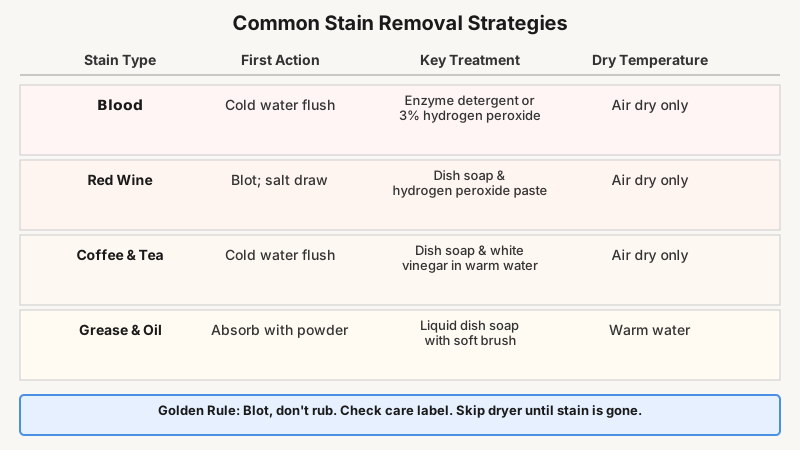
The golden rules before anything else:
- Blot, don’t rub. Rubbing spreads the stain and pushes it further into fibers.
- Check the care label. Wool, silk, and acetate need gentler treatment than cotton or synthetics.
- Skip the dryer until the stain is gone. Heat sets stains permanently.
- Cold water first for protein stains. Hot water cooks protein into fabric like egg in a pan.

Removing the Most Common Stains
Blood
Blood is a protein stain, and cold water is your first move — always. Hold the fabric under cold running water immediately, letting it flush through from the back of the stain outward. For dried blood, soak the item in cold salted water for 30 minutes before treating.
After flushing, apply a small amount of liquid dish soap or enzyme-based laundry detergent directly to the stain and work it in gently with your fingers. Hydrogen peroxide (3%) is highly effective on white or colorfast fabrics — it fizzes as it breaks down the hemoglobin proteins. Test on a hidden seam first, since peroxide can lighten some dyes.
Wash in cold water. Check the stain before drying. Repeat if necessary.
Red Wine
Few household stains provoke more immediate panic than red wine on a white tablecloth or light shirt. The pigments (anthocyanins) bond quickly to fabric, but they’re water-soluble when fresh.
Immediately blot up as much wine as possible with a clean cloth. Then pour a small amount of cold water or club soda over the stain to dilute and lift it — the carbonation in club soda helps dislodge the pigment. Sprinkle table salt generously over the damp stain and leave it for a few minutes; salt draws moisture and pigment up out of the fibers.
For treatment, a paste of dish soap and hydrogen peroxide (roughly 1:2 ratio) applied and left for 20 minutes works well on cotton and linen. Commercial stain removers like OxiClean or Wine Away are formulated specifically for tannin and dye-based stains and are worth keeping in the house. Wash in cold water and air dry.
Coffee and Tea
Coffee and tea stains are tannin-based. Flush the fabric with cold water from behind the stain, then treat with a mixture of one tablespoon of liquid dish soap and one tablespoon of white vinegar diluted in two cups of warm water. Work it in gently, let it sit for five minutes, then blot and rinse.
For stubborn or dried coffee stains, soaking in a solution of oxygen-based bleach (like OxiClean) and cool water for up to an hour before laundering is highly effective. Avoid chlorine bleach on colored garments.

If your shirt is the victim, our deep-dive guide How to Remove a Coffee Stain from a Shirt: Dish Soap Beats Tannins walks through exactly why dish soap works so well on those stubborn tannins.
Grease and Oil
Cooking oil, butter, salad dressing — greasy stains need a different approach because water alone won’t cut through lipids. The goal is to absorb the oil first, then emulsify what’s left.
- Absorb excess grease by covering the stain with baking soda, cornstarch, or baby powder. Leave it for at least 15 minutes (longer for a large stain), then brush away.
- Apply dish soap directly. Liquid dish soap is designed to cut grease, and it works just as well on fabric as on plates. Work it in with a soft-bristled toothbrush.
- Let it sit for 10–15 minutes, then wash in the warmest water the fabric can tolerate.
For delicate fabrics, a solvent-based stain pre-treater (like Carbona Stain Devils for greasy stains) is safer than aggressive scrubbing. Check the stain before drying — grease can be invisible when wet and only becomes visible once dry.
Ink
Ink stains depend heavily on the type of ink. Ballpoint pen ink is oil-based; gel and rollerball inks are water-based; permanent marker (like Sharpie) uses alcohol-based pigment.
- Ballpoint ink: Rubbing alcohol or hand sanitizer (which contains alcohol) applied to a cloth, then dabbed onto the stain, dissolves the oil-based ink effectively. Dab from the outside inward to avoid spreading.
- Gel or water-based ink: Cold water and liquid laundry detergent. Work quickly.
- Permanent marker: Rubbing alcohol is again your best bet, but permanent marker lives up to its name on some synthetic fabrics. Acetone (nail polish remover) can work, but test carefully — it dissolves acetate and triacetate fibers entirely.
Place a clean paper towel or cloth underneath the fabric while treating ink so it absorbs the dissolved pigment rather than letting it spread.
Sweat and Deodorant
Underarm stains are a combination of sweat (proteins and salts) and aluminum compounds from antiperspirant deodorants. They’re stubborn and require a two-part approach.
For fresh stains, rinse with cold water and treat with enzyme-based detergent or a paste of baking soda and water. For set yellow stains: white vinegar applied directly to the stain, left for 30 minutes, then treated with a paste of baking soda, hydrogen peroxide, and a small amount of dish soap before washing works well for most cottons. Some stain removers specifically formulated for protein stains (like Bio-Kleen) handle deodorant buildup effectively.
Hot water and chlorine bleach will not remove these stains — they can make them worse by further oxidizing the proteins.
Mud and Dirt
Mud is one of the few stains where you should wait before treating. Let the mud dry completely, then scrape or brush off as much solid material as possible. Treating wet mud smears it deeper into the fabric.
Once dry mud is removed, treat any remaining discoloration with a liquid enzyme detergent applied directly and left for 15 minutes, then wash. For white fabrics, soaking in an oxygen bleach solution before washing gives cleaner results.
Tomato Sauce and Ketchup
Tomato stains contain both tannins and natural pigments (lycopene). Remove solids with a spoon first — don’t rub. Flush with cold water from the back of the fabric, then apply dish soap and white vinegar directly. For stubborn set stains, an enzyme-based pre-treater or OxiClean soak is effective.
Avoid hot water initially, as it can set the tannins.
General Stain-Removal Techniques and Products Worth Knowing
Enzyme Cleaners
Enzyme-based laundry products (such as Persil, Tide Ultra Stain Release, or Bio-Kleen) contain protease, lipase, and amylase enzymes that break down protein, fat, and starch molecules respectively. They are among the most effective general-purpose stain fighters available and work best in cooler water (hot water can deactivate the enzymes).
Oxygen-Based Bleach
Products like OxiClean release hydrogen peroxide when dissolved in water, bleaching stains without the harsh effects of chlorine bleach on colors. They work on a wide range of stain types and are safe for most washable fabrics. Soak times can range from one hour to overnight for tough stains.
White Vinegar and Baking Soda
These are genuinely useful pantry standbys, not just internet folklore. White vinegar (acetic acid) helps break down mineral deposits and tannin stains. Baking soda (sodium bicarbonate) is mildly abrasive, deodorizing, and helps absorb grease. They are not a universal solution, but they are inexpensive, safe on most fabrics, and surprisingly effective on the right stains.
Note: mixing vinegar and baking soda together creates a neutralization reaction that generates CO₂ bubbles. This can help dislodge loosened stain particles, but the resulting sodium acetate solution is largely pH-neutral — so the two cancel out some of each other’s individual effectiveness. Apply them sequentially rather than combined if you want the full benefit of each.
When to Call a Professional
Dry cleaners have access to solvents and equipment unavailable at home. Take a garment to a professional if:
- The care label says dry clean only.
- The fabric is silk, cashmere, wool, or a structured piece like a blazer.
- The stain has set after going through a dryer.
- Multiple home treatments have failed.
Always tell the dry cleaner what the stain is and, if possible, what you already tried. This helps them choose the right solvent without inadvertently setting the stain further.
If your clothes came out of the wash stain-free but hopelessly wrinkled, our guide How to Get Wrinkles Out of Clothes Without an Iron covers quick fixes that don’t require dragging out the ironing board.
A Quick-Reference Stain Removal Chart
| Stain | First Move | Best Treatment |
|---|---|---|
| Blood | Cold water flush | Enzyme detergent or H₂O₂ |
| Red wine | Blot + cold water | Dish soap + H₂O₂ paste |
| Coffee/Tea | Cold water flush | Dish soap + white vinegar |
| Grease/Oil | Absorb with powder | Dish soap, warm wash |
| Ink (ballpoint) | Blot excess | Rubbing alcohol |
| Sweat/Deodorant | Cold rinse | Vinegar + baking soda paste |
| Mud | Let dry first | Enzyme detergent |
| Tomato sauce | Remove solids | Dish soap + vinegar |
Final Thoughts
The single most useful thing to keep near your laundry area is an enzyme-based pre-treater and a bottle of hydrogen peroxide. Between those two products and a bottle of dish soap, you can handle the vast majority of everyday stains. Speed matters more than the product you choose — a fast response with dish soap beats a delayed response with a specialist stain remover almost every time.
Always verify your treatment has worked before running the dryer. That one habit alone will save more clothes than any other advice in this guide.