How to Store Nuts and Seeds for Maximum Freshness

Nuts and seeds are among the most nutritious foods you can keep on hand — and among the easiest to ruin through poor storage. Rancid walnuts, stale sunflower seeds, and mushy cashews all trace back to the same handful of avoidable mistakes. Get the basics right and a bag of raw almonds can last a year without losing flavor or nutritional value.
This guide covers the real science behind nut and seed spoilage, the specific conditions each type needs, and the practical storage setups that actually work in a home kitchen.
Why Nuts and Seeds Go Bad (and How Fast)
The main enemy is fat oxidation. Nuts and seeds are dense in unsaturated fats — the healthy kind — but those same fats react with oxygen, heat, and light to produce compounds called aldehydes and ketones. That’s the sharp, paint-like smell you notice in old walnuts or rancid flaxseed. The process is called lipid oxidation, and once it starts, it’s irreversible. You can’t “fix” rancid nuts by roasting them or adding salt.
Moisture is the second threat. Excess humidity encourages mold growth — particularly aflatoxin-producing molds in peanuts and pistachios, which are a genuine food safety concern, not just a quality issue.
The three factors that accelerate spoilage:
- Oxygen — triggers and speeds up fat oxidation
- Heat — roughly doubles the rate of oxidation for every 10°C (18°F) rise in temperature
- Light — UV exposure catalyzes oxidation, especially through clear plastic bags
Knowing this, the goal of good storage is simple: reduce exposure to all three.
Which Nuts and Seeds Spoil Fastest?
Not all nuts age the same way. The higher the polyunsaturated fat content, the faster a nut or seed oxidizes:
- Fastest to spoil: Walnuts, flaxseeds, hemp seeds, pine nuts, chia seeds
- Moderate shelf life: Pecans, Brazil nuts, sesame seeds, pumpkin seeds, sunflower seeds
- Longer-lasting: Almonds, cashews, hazelnuts, macadamia nuts, dried peanuts
Pine nuts are notoriously short-lived — even refrigerated, they turn rancid within a few weeks of opening. Flaxseed is similarly fragile, which is why many nutritionists recommend buying it whole and grinding small batches rather than keeping pre-ground flax on the shelf.

The Best Storage Containers for Nuts and Seeds
Container choice matters more than most people realize. Here’s what actually works:
The same airtight principles apply to other pantry staples, as explained in How to Store Spices Right and Keep Their Flavor.
Airtight Glass Jars
Mason jars or any wide-mouth glass jar with a rubber-sealed lid are ideal for both pantry and refrigerator storage. Glass doesn’t absorb odors or leach chemicals, it blocks light when stored in a dark cupboard, and the airtight seal slows oxidation. A quart-sized mason jar holds roughly 2–3 cups of whole almonds — practical for regular use.
Vacuum-Sealed Bags or Containers
For nuts you’re storing for several months without frequent access, vacuum sealing is the single most effective method. Removing most of the oxygen from the package dramatically slows oxidation. If you buy nuts in bulk, divide them into portion-sized vacuum bags before freezing rather than repeatedly opening one large bag.
What to Avoid
- Thin plastic bags (like the ones bulk nuts often come in): they’re oxygen-permeable and offer no light protection
- Cardboard boxes or paper bags: fine for a day or two, but moisture and oxygen get through easily
- Clear glass or plastic on a sunny countertop: UV exposure accelerates rancidity even if the container is airtight
If you buy nuts in their original resealable bag, that’s acceptable for short-term use — but transfer them to a proper airtight container once you’ve opened the bag.
Where to Store Them: Pantry, Fridge, or Freezer?
The right location depends on how long you plan to keep them.
Pantry Storage
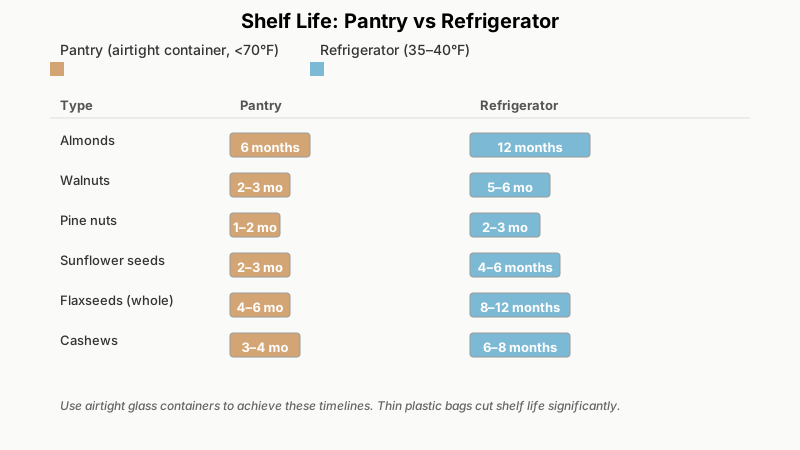
A cool, dark pantry or cabinet — ideally below 70°F (21°C) — works fine for short-term storage of most nuts and seeds. “Short-term” here means roughly:
- Whole almonds, hazelnuts, macadamia nuts: up to 6 months
- Cashews, peanuts: 3–4 months
- Walnuts, pecans: 2–3 months
- Pine nuts: 1–2 months after opening
- Flaxseeds (whole): 4–6 months
- Chia seeds: 4–6 months (chia is actually more stable than most seeds due to natural antioxidants)
- Pumpkin and sunflower seeds: 2–3 months
These timelines assume an airtight container. Nuts stored in their original open bag will spoil significantly faster.
Refrigerator Storage
The fridge extends shelf life considerably — usually doubling the pantry timeline. It’s the right choice if you go through nuts slowly or if your kitchen runs warm. A consistent temperature around 35–40°F (2–4°C) keeps oxidation and moisture-related spoilage in check.
One practical tip: keep a small working jar on the counter for daily use, and store the rest in the fridge. That way you’re not constantly exposing the full stock to temperature swings every time you open the container.

Freezer Storage
Freezing is the best long-term option, full stop. At 0°F (-18°C), oxidation slows to a crawl and most nuts and seeds can be stored safely for 12–24 months without meaningful loss of flavor or nutrition.
How to freeze nuts and seeds properly:
- Divide into portion sizes you’ll use in one go — repeated freeze-thaw cycles are what degrade quality, not freezing itself
- Seal in airtight freezer bags or vacuum-sealed bags, removing as much air as possible
- Label with the date
- To use, let them come to room temperature in the sealed container (about 20–30 minutes for a cup of almonds) — this prevents condensation from forming on the nuts themselves
Frozen nuts need no thawing before baking or blending — you can use them straight from the freezer in smoothies or granola recipes.
Roasted vs. Raw: Does Processing Change Storage Needs?
Yes — and roasted nuts are actually more perishable, not less. Roasting accelerates oxidation by breaking down the natural protective layer around the nut’s oils. A bag of roasted almonds will go stale noticeably faster than a bag of raw almonds stored in the same conditions.
Salted nuts introduce another variable: salt draws moisture, which can accelerate mold growth over longer storage periods. This matters most if you’re storing them for months.
Nut butters follow the same logic as their source nuts, with one addition — the mechanical grinding process dramatically increases the surface area exposed to oxygen. Natural peanut butter or almond butter (without hydrogenated oils or stabilizers) should always be refrigerated after opening and used within 2–3 months.
Flour, Meal, and Ground Seeds
Ground flaxseed, almond flour, and hemp protein powder are especially fragile. The grinding exposes far more fat to oxygen than whole nuts and seeds. Almond flour, for instance, goes rancid at room temperature within about a month — store it in an airtight container in the fridge and use within 3 months, or freeze it for up to 6 months.
How to Tell If Nuts or Seeds Have Gone Bad
Trust your nose more than your eyes. Rancid nuts smell sharp, bitter, or chemical — sometimes described as “crayon-like” or like old cooking oil. The taste follows: a harsh, lingering bitterness rather than the mild, natural fat flavor of fresh nuts.
Visual cues to watch for:
- Shriveled, shrunken kernels (moisture loss over time)
- Any visible mold or dark discoloration — discard immediately
- An oily film that smells off (especially on walnuts and pecans)
A subtle off-flavor doesn’t necessarily mean mold, but it does mean the fats have degraded. Eating mildly rancid nuts occasionally is unlikely to cause immediate harm, but chronically consuming oxidized fats is associated with inflammation in nutritional research. It’s not worth it — the cost of replacing a bag of walnuts is trivial compared to the nutritional downside.

Buying and Rotating Stock Smartly
Storage only works if your buying habits support it. A few practical principles:
- Buy in quantities you’ll use. A 5-pound bag of walnuts is only a bargain if you’ll actually go through it within a few months. Otherwise, buy smaller quantities.
- Check the sell-by or best-by date. Nuts already near the end of their shelf life at the store will deteriorate faster regardless of how well you store them.
- First in, first out. When restocking, move older nuts to the front so you use them first.
- Source quality. Nuts from stores with high turnover — bulk bins that get refilled frequently — tend to be fresher than nuts sitting in bags on a slow-moving shelf.
For specialty seeds like hemp hearts, flaxseeds, or chia, buying from brands that vacuum-seal or nitrogen-flush their packaging gives you the best starting point.
A Quick Reference: Storage Summary
| Nut or Seed | Pantry | Refrigerator | Freezer |
|---|---|---|---|
| Almonds (raw) | 6 months | 12 months | 24 months |
| Walnuts | 2–3 months | 6 months | 12–18 months |
| Cashews | 3–4 months | 6 months | 12 months |
| Pine nuts | 1–2 months | 2–3 months | 6 months |
| Pumpkin seeds | 2–3 months | 6 months | 12 months |
| Flaxseeds (whole) | 4–6 months | 12 months | 24 months |
| Chia seeds | 4–6 months | 12 months | 24 months |
| Almond flour | 1 month | 3 months | 6 months |
Timelines assume airtight containers and no prior signs of spoilage.
Getting the Most from Your Storage Setup
You don’t need a specialized pantry or expensive equipment. The practical setup for most households:
- A few glass mason jars in a dark cabinet for nuts you use weekly
- A dedicated shelf or drawer in the fridge for opened bags and specialty seeds
- A small section of the freezer for bulk purchases and long-term reserves
Once this system is in place, it runs on autopilot. The main habit to build is simply not leaving nuts on the counter in an open bag — a mistake that consistently leads to early rancidity.
Fresh nuts taste significantly better than stale ones, and they retain more of their nutritional value — the vitamin E, omega-3s, and antioxidants that make them worth eating in the first place. Proper storage isn’t fussy; it’s just the difference between getting value from your food and wasting it.
Once your nuts are properly stored and fresh, you can put them to delicious use with our guide How to Make Homemade Nut Butter: From Whole Nuts To Creamy Spread.