How to Roast Vegetables in the Oven: 7 Rules for Perfect Results

Roasting vegetables sounds straightforward until you pull a tray of soggy, steaming broccoli from the oven and wonder what went wrong. The technique is simple, but a handful of small decisions — pan choice, temperature, moisture, spacing — determine whether you get caramelized, slightly charred edges or a limp, grey pile. This guide breaks down exactly what matters and why, so you can apply the same logic to any vegetable you bring home.
Why Roasting Works: The Science in Plain Terms
Heat drives moisture out of vegetables while simultaneously triggering the Maillard reaction — the same browning chemistry behind seared steak and toast. Above roughly 140°C (285°F), amino acids and sugars on the surface begin to transform into hundreds of new flavor compounds. That’s the nutty, savory depth you taste in a well-roasted carrot that a steamed carrot simply cannot replicate.
But browning only happens when the surface is dry. Moisture trapped by overcrowding turns into steam, which keeps the surface temperature at 100°C (212°F) — boiling point — no matter how hot your oven is. This is the single most common reason roasted vegetables disappoint.

The 7 Rules That Actually Matter
1. Cut for Even Cooking, Not Just Appearance
Uniform size is the priority. A mix of small and large pieces means some are overdone before others are cooked through. Aim for roughly 2–3 cm (about 1 inch) cubes or batons for most root vegetables. Dense vegetables like beets and celeriac can go smaller — closer to 1.5 cm — because they take longer to cook through. Quick-cooking vegetables like asparagus and cherry tomatoes can stay whole or be halved.
The cut surface also matters. Flat faces contact the hot pan and brown faster. Wedges and halves work beautifully; rounds and irregular chunks do not brown as evenly.
2. Dry the Vegetables Before You Oil Them
If you’ve just washed your vegetables, pat them dry — thoroughly — before adding oil. A paper towel is enough. Wet vegetables steam before they roast, and surface water has to evaporate before any browning can begin. Two minutes of drying saves you ten minutes of roasting time and yields noticeably better color.
3. Use Enough Oil, But Not Too Much
Every cut surface needs a light, even coat. Too little oil and the vegetables dry out and scorch without browning properly; too much and they become greasy and stew in the excess fat.
A practical ratio: about 2 tablespoons of neutral or olive oil per 500g (roughly 1 lb) of cut vegetables. Toss in a bowl rather than drizzling on the pan — bowl-tossing coats surfaces far more evenly.
For most roasting, extra-virgin olive oil handles oven temperatures fine. If you’re pushing above 230°C (450°F), a higher smoke-point oil like avocado or refined sunflower works better.
4. Season Before Roasting, Not After
Salt draws a small amount of moisture to the surface initially, but at roasting temperatures this is inconsequential — the benefit of seasoning from the start is that salt penetrates the vegetable and seasons it through. Add salt, pepper, and any dried spices to the bowl when you toss with oil. Fresh herbs (thyme, rosemary) can go on before roasting; delicate herbs like parsley and basil go on after, off the heat.
5. Give Everything Space — More Than You Think
This deserves its own rule because it’s violated so often. Vegetables need room for steam to escape. A single layer with visible gaps is what you’re after. If you crowd the pan, you will steam instead of roast — guaranteed.
If you have a large quantity, use two pans and rotate them halfway through. A slightly overcrowded pan ruins the batch; two pans side by side both succeed.
6. Match Temperature to the Vegetable
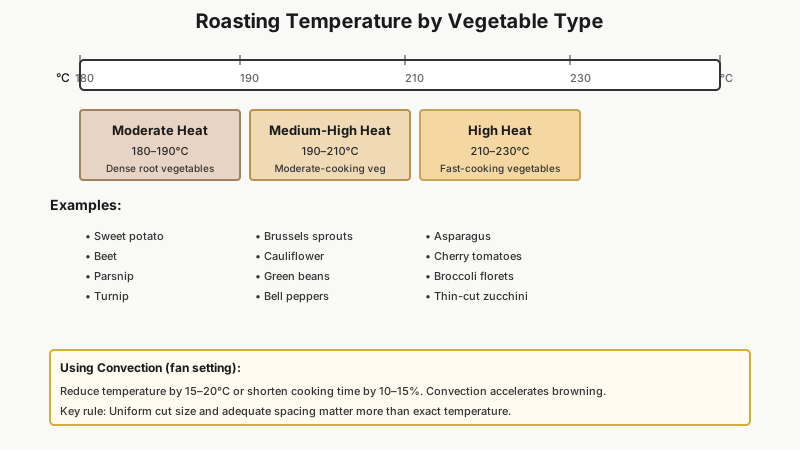
Not all vegetables roast at the same ideal temperature:
- High heat (210–230°C / 410–450°F): Asparagus, cherry tomatoes, thin-cut zucchini, broccoli florets. These cook fast and benefit from aggressive browning before they turn mushy.
- Medium-high heat (190–210°C / 375–410°F): Cauliflower, Brussels sprouts, green beans, bell peppers. They need a bit more time to cook through without burning the edges.
- Moderate heat (180–190°C / 350–375°F): Dense root vegetables — sweet potato, parsnip, beet, turnip — that need time to soften in the center before the outside overcooks.
Fan/convection settings push more air over the food and accelerate browning. If you’re using convection, reduce the stated temperature by about 15–20°C (25–35°F) or shorten cooking time by 10–15%.

For a deep dive into applying these same principles to one classic favorite, check out Crispy Roast Potatoes: The Step-by-Step Guide to Perfect Results.
7. Flip Once — At the Right Moment
Resist the urge to stir or flip frequently. Let vegetables sit undisturbed until the bottom face has developed a genuine brown crust — it will release naturally from the pan when it’s ready. Forcing it early tears the surface and ruins the texture. For most vegetables, one flip at the halfway point is all you need.
Use a thin metal spatula, not tongs, to get cleanly under the browned surface.
Vegetable-Specific Timing Reference
These are guidelines for a standard oven at the temperatures recommended above. Start checking 5 minutes before the lower end.
| Vegetable | Temperature | Approximate Time |
|---|---|---|
| Asparagus (whole) | 220°C / 425°F | 10–15 min |
| Broccoli florets | 220°C / 425°F | 18–22 min |
| Brussels sprouts (halved) | 200°C / 400°F | 22–28 min |
| Butternut squash (cubed) | 200°C / 400°F | 25–35 min |
| Carrots (batons) | 200°C / 400°F | 25–30 min |
| Cauliflower florets | 200°C / 400°F | 25–30 min |
| Cherry tomatoes | 200°C / 400°F | 15–20 min |
| Beetroot (cubed) | 190°C / 375°F | 35–45 min |
| Sweet potato (cubed) | 200°C / 400°F | 25–35 min |
| Zucchini/courgette (batons) | 220°C / 425°F | 15–20 min |
Own oven calibration varies. An inexpensive oven thermometer is worth having — many domestic ovens run 10–20°C cooler or hotter than the dial says.
Flavor Variations Worth Knowing
Once you have the base technique down, flavor is where you can experiment freely:
Umami-forward: Add a tablespoon of soy sauce or white miso whisked into the oil before tossing. Works especially well with cauliflower and mushrooms.
Citrus finish: Squeeze half a lemon or orange over the vegetables the moment they come out of the oven. The acid brightens the sweetness that roasting develops.
Spice blends: Za’atar, smoked paprika, cumin, and ras el hanout all marry well with root vegetables. Add them to the oil in the bowl so they bloom slightly in the oven heat.
Parmesan crust: Scatter finely grated Parmesan over the pan in the final 5 minutes for a savory, lacy crust. Works brilliantly with broccoli, zucchini, and asparagus.
Honey or maple glaze: A teaspoon of honey or maple syrup per pan adds sweetness and accelerates browning. Watch it closely — it can go from caramelized to burnt quickly above 200°C.

Equipment: What Actually Helps
Heavy rimmed sheet pan (half-sheet baking tray): Thin pans warp under high heat and create hot spots. A good heavy-gauge aluminum pan holds heat evenly. Dark pans absorb more heat and brown the bottom faster — useful for root vegetables, less so for delicate ones.
Wire rack set inside the pan: Elevating vegetables lets heat circulate underneath, producing more even browning on all sides without needing to flip. Particularly useful for whole cauliflower steaks or larger pieces.
Parchment paper: Makes cleanup trivial and prevents sticking, but it can slightly insulate the pan bottom and slow crust formation. Foil is worse for browning — it steams vegetables sitting in their own moisture. Go without a liner when maximum browning is the goal.
Oven thermometer: Not glamorous, but genuinely useful. Knowing your actual oven temperature removes one of the biggest variables from the equation.
If you’d rather work over live flame than in the oven, How to Grill Vegetables Properly: Why Prep Makes Or Breaks It explains how the same prep fundamentals translate to the grill.
Common Mistakes and How to Fix Them
Soggy vegetables: Overcrowding is almost always the culprit. Switch to two pans. Also check that your oven is actually at temperature before loading — putting vegetables into a cold oven means they steam during preheat.
Burning edges, raw center: Pieces are too large, temperature is too high, or both. Reduce heat by 15°C and cut smaller next time. You can also cover with foil for the first half to let the interior cook, then remove for the final browning phase — works well for dense beets and squash.
Uneven browning across the pan: Hot spots in your oven. Rotate the pan 180° at the halfway flip. Using two pans? Swap their rack positions at the same time.
Vegetables stick to the pan: Usually means they weren’t ready to flip and the crust hadn’t formed yet. Wait another 2–3 minutes and try again — it almost always releases cleanly once the browning is complete.
Putting It All Together
Roasting vegetables well is less about following a recipe and more about understanding a small set of principles: dry surfaces, even coating, generous space, appropriate heat, and patience. Once you internalize those, you can walk up to almost any vegetable, make a few quick decisions about cut and temperature, and produce something worth eating.
The technique scales up or down easily, works on a weeknight or for a dinner party, and the leftovers are arguably better — roasted vegetables tossed into a grain bowl, blended into soup, or folded into a frittata the next day are one of the more underrated things in a home kitchen.