Homemade Croutons: The Easy Guide to Perfect Results

Making croutons at home takes about 20 minutes, costs almost nothing, and produces something noticeably better than anything that comes in a foil bag. The texture is crunchier, the flavor is fresher, and you control exactly what goes into them. Once you start making your own, buying them feels like a strange compromise.
This guide walks through the full process — from picking the right bread to storing your batch — with the specifics that actually make a difference.
Choosing the Right Bread
Almost any bread works, but the type you choose shapes the final result significantly.
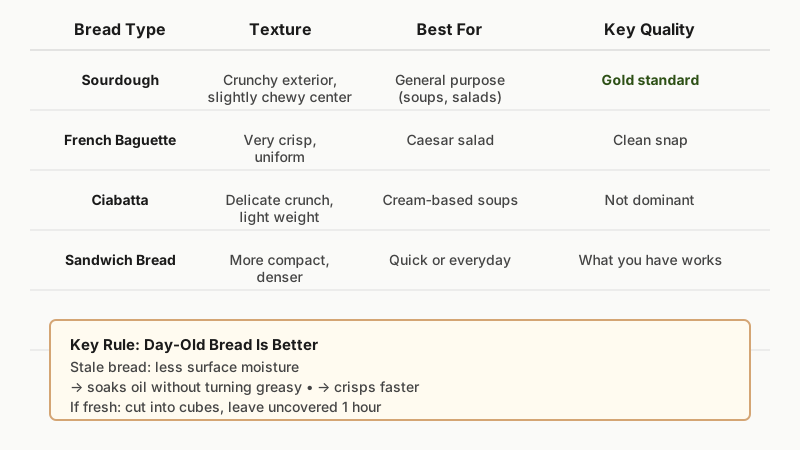
Sourdough is the gold standard. Its open crumb structure creates croutons with crunchy exteriors and slightly chewy centers. The mild tang also adds depth to dressings and soups.
French baguette produces very crisp, uniform croutons — ideal for Caesar salad where you want clean snap.
Ciabatta is airy and light, giving you a delicate crunch without a lot of weight. Good for cream-based soups where you don’t want a dominant topping flavor.
Sandwich bread (whole wheat or white) works fine if that’s what you have. The crumb is denser, so the croutons end up a little more compact. Not bad, just different.
One firm rule: day-old bread is better than fresh. Bread that’s slightly stale has lost some surface moisture, which means it soaks up the oil coating without turning greasy, and it crisps faster in the oven. If your bread is fresh, cut it into cubes and leave them uncovered on a tray for an hour — that’s enough.

If you enjoy turning simple pantry staples into something crisp and golden, How to Roast Vegetables in the Oven: 7 Rules for Perfect Results applies a lot of the same high-heat logic to vegetables.
The Core Recipe: Step by Step
Here’s a reliable base recipe. Once you’re comfortable with it, the variations are endless.
What You Need
- 3–4 cups bread cubes (about half a standard loaf), cut into roughly ¾-inch to 1-inch pieces
- 3 tablespoons olive oil (extra-virgin gives better flavor; neutral oil also works)
- ½ teaspoon fine salt
- ½ teaspoon garlic powder (or 1 fresh garlic clove, very finely minced)
- ¼ teaspoon black pepper
- Optional: ½ teaspoon dried oregano, dried thyme, smoked paprika, or grated Parmesan
Method
-
Preheat your oven to 375°F (190°C). This temperature is the sweet spot — hot enough to crisp the croutons, low enough to avoid burning the edges before the centers dry out.
-
Toss the bread cubes with oil and seasoning. Do this in a large bowl, not directly on the pan. You want every surface coated evenly. If you’re using fresh garlic, heat it briefly in the oil on the stovetop first — about 30 seconds over low heat — then let it cool before tossing. Raw garlic can burn and turn bitter in the oven.
-
Spread in a single layer on a baking sheet. Crowding the pan causes steaming rather than roasting. Use two pans if needed.
-
Bake for 12–18 minutes, flipping once at the halfway point. The exact time depends on your bread’s density and how dry it already is. Watch for a deep golden-brown color on most sides.
-
Let them cool completely on the pan. They continue to crisp as they cool. Tasting them straight from the oven gives a false read — they’ll seem soft, then firm up nicely in a few minutes.
Stovetop Option
If you want croutons faster, or you only have a small batch, a skillet works well. Heat 2 tablespoons of butter and 1 tablespoon of olive oil in a heavy pan over medium heat. Add the bread cubes and toss frequently for 8–10 minutes until golden all over. The butter adds a richer flavor than oven-only croutons, and the direct heat gives a slightly different, almost pan-fried texture. Great for French onion soup.

Flavor Variations Worth Trying
Once you have the technique down, flavoring croutons is genuinely fun. Here are a few directions that go well beyond the basic garlic-and-salt version:
Parmesan-Herb
Add 3 tablespoons of finely grated Parmesan to the bowl when tossing, along with dried Italian seasoning. The cheese creates a savory, slightly crunchy coating. Goes especially well on Caesar salad.
Smoked Paprika and Cumin
Swap out the oregano for ½ teaspoon smoked paprika and ¼ teaspoon cumin. This pairs well with roasted tomato soup or any salad with a smoky, earthy dressing. Adds a subtle warmth without being spicy.
Rosemary and Lemon
Use fresh rosemary (finely chopped, not dried — it’s more fragrant) and add a teaspoon of lemon zest to the oil before tossing. Bright, herbaceous, good with lighter salads or white bean soup.
Brown Butter
Instead of olive oil, melt butter in a pan until it turns golden-brown and nutty-smelling (about 4–5 minutes over medium heat), then let it cool slightly before using it to coat the bread. The flavor depth is remarkable. Best used with bread that has some sweetness, like brioche.
Everything Bagel
Coat with neutral oil and toss with everything bagel seasoning (sesame seeds, poppy seeds, dried garlic, dried onion, flaky salt). These work on avocado-style salads or as a topping for creamy soups.
How to Store Croutons (and Keep Them Crispy)
Storage is where a lot of people go wrong. The enemy is moisture.
- Let them cool completely before storing. Sealing warm croutons traps steam and softens them.
- Use an airtight container or zip-top bag at room temperature. They keep well for up to two weeks this way.
- Do not refrigerate them. The refrigerator introduces humidity and actually makes croutons go stale faster.
- If they soften slightly over time, spread them on a baking sheet and pop them in a 300°F (150°C) oven for 5 minutes. They’ll crisp right back up.
- Freezing is an option if you make a very large batch. Store in a freezer bag, press out the air, and freeze for up to 2 months. Reheat from frozen in a 350°F oven for about 8 minutes.
Troubleshooting Common Problems
Croutons are soggy or chewy: Too much oil, or the bread was too fresh. Next time, use slightly less oil and start with staler bread. Also check that your oven was fully preheated.
Croutons burned on the outside, soft in the middle: Oven temperature too high. Drop to 375°F and extend the baking time. Flipping them halfway through also helps even browning.
Uneven coloring: This is almost always a pan-crowding issue. Spread them with space between each cube — they need airflow.
Not enough flavor: Season the oil generously before tossing. Bread absorbs a surprising amount of flavor from the coating. Salt in particular should be noticeable in the seasoning mix before it goes on the bread.

Uses Beyond Salad
Homemade croutons are more versatile than their salad-bar reputation suggests:
- Soup: Float a handful on tomato bisque, French onion, or minestrone right before serving.
- Stuffing base: Dry, well-seasoned croutons are the foundation of a good bread stuffing or dressing. Making your own gives you complete control over seasoning.
- Panzanella: The classic Tuscan bread salad relies on slightly softened croutons that absorb a vinaigrette. Use olive oil–seasoned croutons and let them sit in the dressing for 10 minutes.
- Topping for baked pasta: Crushed croutons sprinkled over a mac and cheese or baked ziti before it goes in the oven add a satisfying crust without the effort of a full breadcrumb topping.
- Snacking: Honest answer — they’re good on their own, especially the Parmesan or everything bagel versions.
Since croutons are practically made for topping greens, pair them with one of 12 Homemade Salad Dressing Recipes Worth Making for a salad that actually earns its main-course status.
A Note on Scaling
The recipe scales easily. For a small batch (one person’s lunch), use a single cup of bread cubes and about a tablespoon of oil. For a crowd, use an entire loaf and work in batches so you don’t crowd the pan. The ratio to keep in mind: roughly 1 tablespoon of oil per cup of bread cubes, adjusted slightly based on how absorbent the bread is.
Conclusion
Homemade croutons reward minimal effort with a noticeably better result. The core skill — coat stale bread in well-seasoned oil, bake at a moderate temperature, let cool completely — takes one session to get right, and then you’ll find yourself doing it on autopilot whenever you have leftover bread sitting around. Start with the basic garlic version, see how straightforward it is, then experiment with the flavor variations that sound good to you. The stovetop method is worth trying at least once for the butter flavor alone.