How to Remove Grease Buildup from Kitchen Cabinets

Why Kitchen Cabinets Get So Greasy (And Why It’s Hard to Clean)
Every time you fry, sauté, or even boil water, tiny airborne grease particles drift through your kitchen. They land on every surface they can find — and cabinets directly above or around the stove take the worst of it. Over weeks, those thin layers stack up into a sticky, amber-colored film that traps dust and cooking residue on top. The longer it sits, the harder it bonds to the finish.
This isn’t a hygiene failure. It happens in every active kitchen. The challenge is that most standard all-purpose sprays aren’t strong enough to cut through polymerized (heat-set) grease — the kind that has literally baked onto the surface. You need the right approach for each cabinet material, and a bit of patience.
This guide covers the most effective cleaning methods across different cabinet surfaces, finishes, and grease severity levels — so you can stop scrubbing blindly and start making actual progress.
If greasy cabinets are just one symptom of a bigger cleaning routine you’re trying to fix, 10 Tips for Keeping a Clean Kitchen Every Day offers broader habits that help prevent grime from settling in the first place.
Essential Tools and Supplies Before You Start
You don’t need a cabinet full of specialty products. Most of what works best is already in your kitchen or costs very little at a hardware store:
- Dish soap (preferably Dawn or another grease-cutting formula)
- Baking soda — mildly abrasive and alkaline, which helps break down grease
- White vinegar — cuts through light grease and deodorizes
- Vegetable oil or olive oil — counterintuitively useful on wood finishes (like dissolves like)
- Commercial degreaser (e.g., Krud Kutter, Zep, or similar) for heavy buildup
- Microfiber cloths — gentler than sponges on painted or lacquered surfaces
- Soft-bristle brush or old toothbrush — for corners and carved details
- Warm water — always warm, never scalding
- Spray bottle — for diluting solutions
Always test any cleaning solution on an inconspicuous spot first — inside a cabinet door, for instance. This matters especially with painted or veneer finishes that can blister, cloud, or strip if exposed to the wrong chemical.
Cleaning Methods by Cabinet Material
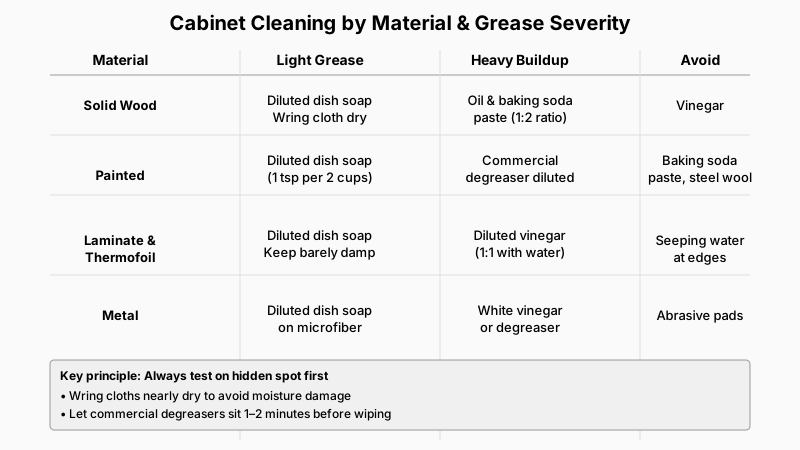
This is where most guides fall short: treating all cabinets the same. Wood, laminate, painted, and metal surfaces each respond differently to cleaners and moisture.
Solid Wood and Wood-Stained Cabinets
Wood is porous and sensitive to moisture, so the goal is to clean effectively without saturating the grain.
For light grease: Mix a few drops of dish soap into a bowl of warm water. Dampen a microfiber cloth — wring it out thoroughly so it’s barely moist — and wipe the surface in the direction of the wood grain. Dry immediately with a second cloth. Leaving moisture on wood causes warping and finish damage.
For stubborn, heavy buildup: The oil-and-baking-soda method is remarkably effective here. Mix 1 part vegetable oil with 2 parts baking soda into a paste. Apply it with a soft cloth, rub in small circles, then wipe clean. The baking soda provides gentle abrasion while the oil penetrates and lifts the grease without stripping the finish. Follow with a diluted dish soap wipe-down to remove any oily residue.
What to avoid: White vinegar is too acidic for finished wood — over time it can dull the protective coating. Don’t use it on stained or sealed wood cabinets.
Painted Cabinets (Including Factory-Painted MDF)
Painted finishes are durable on their own, but harsh abrasives and strong degreasers can cut through the paint layer, especially on cheaper factory-applied finishes.
For light grease: A diluted dish soap solution (1 teaspoon soap per 2 cups of warm water) on a microfiber cloth works well. Wipe, then rinse with a clean damp cloth, then dry.
For moderate to heavy buildup: A commercial degreaser like Krud Kutter, diluted to the manufacturer’s specifications, is your best option. Spray it on, let it sit for 1–2 minutes to work into the grease, then wipe away. Avoid letting it pool in crevices or along seams.
What to avoid: Baking soda paste can micro-scratch semi-gloss paint. Steel wool, rough scrub pads, and undiluted degreasers risk lifting or dulling the paint sheen.
Laminate and Thermofoil Cabinets
Laminate (a plastic-coated pressed-wood panel) and thermofoil (a vinyl film heat-bonded over MDF) are both moisture-sensitive at the edges. Water that seeps under the surface film causes delamination.
For light to moderate grease: The dish soap solution is ideal. Keep your cloth barely damp and avoid corners and seam edges.
For heavy grease: Diluted white vinegar (equal parts vinegar and water) or a diluted all-purpose degreaser work well on laminate since the plastic surface isn’t harmed by mild acids or alkalines.
What to avoid: Don’t let liquid sit on laminate surfaces, and never use steam cleaners — the heat loosens the bond between the film and the substrate.
Stainless Steel and Metal Cabinet Fronts
Metal cabinets and stainless fronts are less common in residential kitchens but popular in modern and professional-style spaces.
For grease removal: A commercial degreaser or undiluted dish soap applied with a microfiber cloth works well. For stainless steel specifically, always wipe in the direction of the grain (the fine lines running across the panel) — wiping against it leaves visible scratches.
For a polished finish: After degreasing, apply a tiny amount of mineral oil with a clean cloth to restore luster and provide a light barrier against future buildup.
What to avoid: Steel wool, abrasive powders, and bleach will scratch and pit stainless steel permanently.

Tackling the Toughest Buildup: Step-by-Step
If your cabinets have years of accumulated grease — the kind that feels almost rubbery or looks dark brown — standard wiping won’t cut through it. Use this approach:
-
Soften the grease first. Fill a small bowl with very warm (not boiling) water and a few drops of dish soap. Place a soaked cloth against the affected area for 3–4 minutes. The heat and detergent start to loosen the bond before you’ve even started scrubbing.
-
Apply a targeted degreaser. Products like Krud Kutter Original, Simple Green All-Purpose Cleaner (diluted 1:1 with water), or a baking soda paste are all effective. Spray or spread directly onto the loosened grease and let it dwell for 2–5 minutes.
-
Scrub with the right tool. A soft-bristle brush handles carved door profiles and recessed panel edges. A microfiber cloth works flat surfaces. Avoid anything scratchy.
-
Wipe and rinse. Remove all residue with a clean damp cloth. Grease residue mixed with cleaner can re-harden if left behind.
-
Dry thoroughly. Especially important for wood and laminate — use a dry cloth immediately after rinsing.
-
Repeat if needed. Very old buildup may require two or three passes. Don’t try to force it off in one aggressive scrub.
Preventing Grease Buildup Going Forward
Cleaning once is satisfying. Not having to deep-clean again is the real win.
- Run your range hood during and after cooking. Most cooks stop the fan when they pull the pan off the heat — keep it running for 5–10 minutes after to clear residual aerosols. Use the highest setting when frying.
- Wipe cabinets weekly near the stove. A 30-second wipe with a damp dish-soap cloth on the cabinet faces closest to your cooking area prevents layers from forming in the first place.
- Apply a protective coat. On wood cabinets, a thin coat of furniture wax (such as paste wax) after a thorough cleaning creates a slick surface that grease struggles to bond to. On laminate or painted surfaces, a light coat of car wax applied and buffed off does the same thing.
- Use splatter screens. When pan-frying, a mesh splatter screen dramatically cuts the volume of grease aerosols that reach surrounding surfaces.
- Clean range hood filters regularly. A clogged filter recirculates grease instead of capturing it. Most mesh filters can be run through the dishwasher monthly.

Once your cabinets are grease-free, keeping them organized can also reduce grime buildup, so check out How to Organize Kitchen Cabinets: Assign Zones By Daily Habit for tips on assigning zones that cut down on daily mess.
If greasy pots and pans are the source of the splatters in the first place, Remove Grease & Burnt-On Food from Cookware — No Scrubbing can help you tackle that mess at its origin.
Frequently Asked Questions
Can I use WD-40 to remove grease from kitchen cabinets?
WD-40 does cut through grease on wood cabinets, and some people swear by it. It works because the petroleum-based solvent lifts hardened grease effectively. The downside: it leaves an oily film that attracts new grease and dust quickly, and it can stain raw or lightly finished wood. If you use it, clean thoroughly with dish soap and water immediately after.
What is the single best commercial degreaser for kitchen cabinets?
Krud Kutter Original is consistently well-regarded for kitchen surfaces because it works on both oil-based and water-based grease without being harsh enough to damage most finishes when diluted per instructions. Zep Heavy-Duty Degreaser is better for really extreme buildup but needs careful dilution on finished wood or painted surfaces.
Is Magic Eraser safe on kitchen cabinets?
Melamine foam erasers (Magic Eraser) are micro-abrasive — they essentially sand the surface very finely. They’re effective at removing grease but will dull gloss and semi-gloss paint finishes over time and can remove the top coat from stained wood. Use them only on laminate or as a last resort, and test in a hidden area first.
My cabinets still feel sticky after cleaning. What did I miss?
Residual stickiness after cleaning usually means one of two things: either the cleaner wasn’t fully rinsed off (soap residue feels tacky), or there’s still a thin layer of grease that needs another pass. Try a second wipe with plain warm water to remove soap residue, let it dry, and feel again. If it’s still sticky, apply a degreaser and repeat the process.
How often should I deep-clean kitchen cabinets?
For cabinets directly above or beside the stove, a light clean every 1–2 weeks and a thorough degreasing every 3–4 months is a reasonable rhythm for a kitchen that sees daily cooking. Cabinets farther from the stove — upper storage, pantry doors — typically only need attention once or twice a year.
Final Thoughts
Removing grease from kitchen cabinets isn’t complicated, but it does require matching the method to the material. A dish soap solution handles light buildup on almost any surface. Baking soda paste or a commercial degreaser handles the tough jobs. The one rule that cuts across all surfaces: don’t leave moisture sitting on the finish.
The bigger payoff is in the prevention habits — a weekly wipe near the stove and a well-maintained range hood will mean you rarely face a serious grease problem at all.