How to Get Wrinkles Out of Clothes Without an Iron

You packed too tight, the dryer ate your shirt, or you’re staying somewhere without a single ironing board in sight. Whatever the situation, you don’t need an iron to wear something that looks put-together. There are at least half a dozen genuinely effective methods — and the best one depends on what you have available right now.
This guide covers the most reliable techniques, explains why each one works, and flags when to use which approach.
The Steam Method: Your Quickest Fix
Steam relaxes fabric fibers. That’s the principle behind every method here, whether you’re using a kettle or a hot shower. Understanding this makes it easier to improvise when you’re working with whatever’s around.
Hang Clothes in a Steamy Bathroom
This is the most popular hotel-room trick for good reason: it actually works.
- Run the shower as hot as it goes.
- Hang the garment on a hanger near — but not in — the water stream. A door hook or the curtain rod works fine.
- Close the bathroom door to trap steam.
- Leave it for 10–15 minutes.
Heavier fabrics like denim or a thick cotton shirt may need closer to 20 minutes. Lightweight linen and polyester blends respond fast, sometimes in under five minutes.
The key is airflow after: smooth the garment with your hands and then hang it somewhere open for a few minutes so the moisture evaporates rather than making the fabric damp.

Use a Handheld Steamer
If you travel frequently or just hate ironing, a handheld garment steamer is worth owning. Models from Conair, Rowenta, and Steamfast have been reliable mid-range options for years — prices typically run $25–$60 depending on tank size and heat-up time.
Technique matters here:
- Hold the steamer head about an inch from the fabric.
- Move it in slow downward strokes — don’t scrub.
- For structured items like blazers, steam the inside first, then the outside.
- Stretch the fabric gently with your free hand as you go; this speeds up wrinkle release significantly.
Steamers work on almost every fabric except velvet (which can crush under steam pressure) and most waxed or coated materials.
Dryer Tricks That Actually Work
The Damp Towel Method
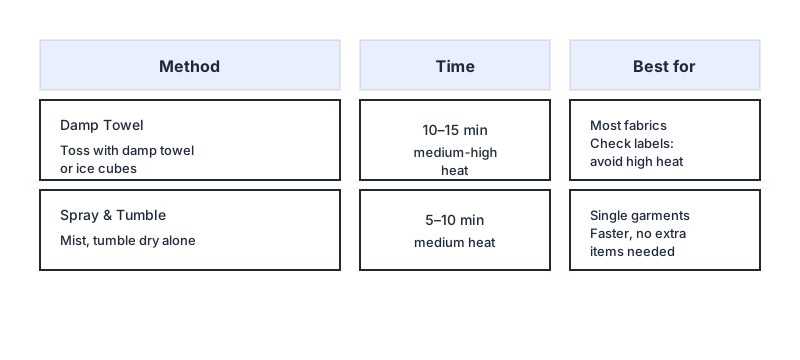
Toss the wrinkled item into the dryer with a damp (not soaking) towel or a couple of ice cubes. Run the dryer on medium-high heat for 10–15 minutes.
The moisture from the towel turns to steam inside the drum, essentially giving your garment a mini steam treatment. Ice cubes work the same way — they melt and vaporize as the dryer heats up.
A few caveats:
- Check fabric care labels first; high heat can shrink wool, certain rayons, and some synthetic blends.
- Remove items promptly when the cycle ends. Every minute you leave them sitting in a stopped dryer, wrinkles start setting again.
Spray and Tumble
If you don’t have a towel handy, lightly mist the garment with water from a spray bottle, then toss it in the dryer alone on medium heat for 5–10 minutes. This is faster than the towel trick and works well for a single shirt or pair of trousers.

No Heat, No Dryer: Hands-On Techniques
Sometimes you genuinely have nothing — no dryer, no steamer, no hot shower. These methods are slower but surprisingly effective.
The Spray and Smooth Method
Fill a spray bottle with water and lightly mist the wrinkled areas. Then:
- Smooth the fabric firmly with your palms, pulling it taut against a flat surface.
- Tug gently on hems and seams to straighten the fabric’s grain.
- Hang immediately and let it air dry.
For cotton, this works remarkably well. For polyester and blends, you’ll get partial improvement — these synthetic fibers have a memory that water alone can’t fully override.
DIY Wrinkle-Release Spray
Commercial sprays like Downy Wrinkle Releaser work by combining water with a light fabric conditioner that relaxes fibers. You can approximate this at home:
- Mix 1 cup of water with 1 teaspoon of liquid fabric softener in a spray bottle.
- Shake, mist onto the garment, smooth with your hands, and hang to dry.
Don’t oversaturate — a light mist is enough. Overshooting leaves residue and can cause spotting on darker fabrics, so test on an inconspicuous area first.
Flat-Surface Rolling
For travel emergencies, lay the garment on a flat, clean surface — a bed, a table, even the floor. Smooth out wrinkles section by section with your palms using firm, deliberate pressure. Then roll the garment loosely (rather than folding) until you wear it. This won’t eliminate deep-set creases, but it prevents new ones from forming and softens existing ones.
Fabric-Specific Tips
Not every material responds the same way. Here’s a quick breakdown:
Cotton: Responds well to all steam methods. The damp towel dryer trick is especially effective. Deep creases may need direct steam pressure.
Linen: Notoriously wrinkle-prone but also releases them easily with steam. Hang linen while it’s still slightly damp from washing — gravity does most of the work.
Polyester and blends: Steam helps, but set-in wrinkles can be stubborn. The dryer is your best bet; even 5–10 minutes on medium heat makes a visible difference.
Wool: Gentle steam only. Never rub a wool garment when damp — you’ll felt the fibers. Hold the steamer further away (2–3 inches) and let it breathe before touching.
Silk and delicate fabrics: Mist very lightly with cool water and hang. Avoid hot steam directly on silk — it can leave water marks on some weaves. If you use a steamer, keep it moving and maintain distance.
Denim: Needs sustained heat and steam. The shower method on a long cycle, or the damp towel dryer trick, works well. Hanging denim straight after washing while it’s wet and heavy is the best preventive step.

While you’re paying close attention to fabric care, our guide How to Remove Common Stains from Clothes: Why Speed Beats Scrubbing explains another laundry skill worth mastering before spots set in permanently.
Preventing Wrinkles in the First Place
The best fix is avoiding the problem. A few habits make a big difference:
- Remove clothes from the dryer immediately when the cycle finishes. This single habit eliminates 80% of dryer-set wrinkles.
- Hang or fold right after washing. Even air-dried clothes develop fewer wrinkles if you smooth and hang them wet.
- Roll, don’t fold, in a suitcase. The rolling technique is genuinely better for wrinkle prevention in a packed bag, particularly for t-shirts, casual trousers, and knitwear. Structured items like blazers should be folded along their natural seams with tissue paper or a dry-cleaning bag inside to reduce friction.
- Use a fabric softener. It doesn’t just make clothes feel softer — it slightly reduces fiber stiffness, which translates to fewer wrinkles after washing.
- Buy wrinkle-resistant fabrics when you have the choice. Synthetic blends, jersey knits, and treated cottons (often marketed as “non-iron” or “easy care”) hold their shape with far less effort.
If dark garments are part of your wardrobe, pair your wrinkle-prevention routine with How to Keep Black Clothes From Fading (7 Proven Methods) to keep them looking newer for longer.
When Nothing Is Working
A few scenarios where the above methods fall short:
- Heavily starched or stiff dress shirts that have been packed for days may need actual ironing to restore crispness. Steam softens the starch but doesn’t reset it.
- Sharp trouser creases are best set with an iron and pressing cloth. Steam alone creates a softer finish, which isn’t always right for formal wear.
- Very cheap polyester sometimes has wrinkles that are essentially structural — baked into the fabric from poor finishing. Repeated steam treatments can reduce but won’t eliminate them.
For formal occasions, budget 20–30 minutes and find a laundry service if no iron is available. Most hotels have irons available on request, and laundromats with pressing services are widely available in cities.
Conclusion
Getting wrinkles out of clothes without an iron is mostly about using moisture and heat together — and knowing which approach suits the fabric and what you have on hand. The shower trick and the damp towel dryer method cover the majority of situations. A small handheld steamer is worth buying if you travel regularly or simply find ironing frustrating. And adjusting how you handle laundry coming out of the dryer will cut down your wrinkle problem before it starts.
None of this requires expensive equipment. Most of the time, a spray bottle, a dryer, and five minutes are enough.