Fix Common Laundry Problems: Pilling, Fading & More

Why Your Clothes Are Failing You (And How to Stop It)
Most fabric damage happens not in a single dramatic incident but through dozens of small, repeated mistakes — the wrong water temperature, an overstuffed drum, a forgotten zipper left open. The good news: nearly all of the most frustrating laundry problems are preventable once you understand what’s actually causing them.
This article covers the five biggest issues — pilling, fading, shrinkage, stretching, and mystery stains that appear after washing — with specific, actionable fixes for each.
1. Pilling: Why Fabric Grows Those Fuzzy Balls
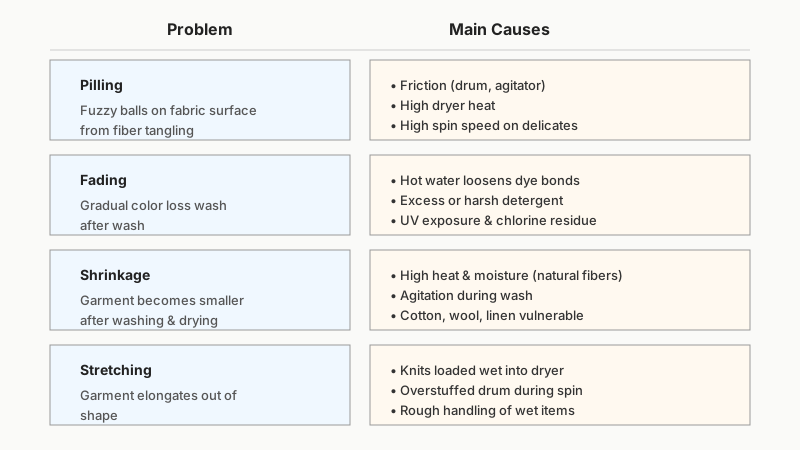
Pills form when short or loose fibers on a fabric’s surface tangle together under friction. Synthetic blends and loosely woven natural fibers are especially prone to it. High-speed tumbling, rough detergent abrasion, and washing dark jersey cotton alongside scratchy denim are all reliable ways to accelerate the process.
What Actually Causes It
- Friction during washing. The agitator or drum walls abrade fibers with each cycle.
- Heat from the dryer. High heat weakens fiber bonds, making surface fibers easier to loosen.
- Wrong spin speed. A very high spin RPM on delicate knits stresses the weave.
- Fabric quality. Short-staple cotton and some acrylic blends pill faster than long-staple Egyptian cotton or quality merino.
How to Fix and Prevent It
Turn garments inside out. This is the single most effective step — it moves the visible outer surface away from drum abrasion.
Use a mesh laundry bag for knitwear, fleece, and synthetic blends. A bag limits the surface area in direct contact with other fabrics.
Wash on a gentle or delicate cycle with cold water. Lower agitation means less friction.
Separate by fabric type. Wash rough-textured items (towels, denim) separately from soft knitwear.
Remove existing pills with a fabric shaver — an inexpensive battery-operated device that shaves pills cleanly off the surface without damaging the underlying weave. Run it in one direction with light pressure. Disposable lint shavers and even a clean razor can work in a pinch, but a dedicated shaver is safer for frequent use.

Air-dry when possible. If you must use a dryer, choose low heat and remove items while still slightly damp.
2. Fading: How Colors Die in the Wash
Color loss is rarely sudden. It builds wash by wash, and by the time you notice it, a lot of dye is already gone. The culprits are hot water, too much detergent, harsh optical brighteners, direct sun drying, and chlorine bleach — even trace amounts from a residue-coated drum.
The Chemistry in Brief
Dye molecules bond to fibers during the dyeing process, but that bond isn’t permanent. Hot water loosens the bond. Alkaline detergents strip reactive dyes. Prolonged UV exposure from sunline drying oxidizes dye molecules on the surface. Each cycle is a small attack.
How to Keep Colors Bright
Wash darks and brights in cold water. Cold water — below 30°C / 86°F — dramatically reduces dye release. Most modern detergents are formulated to work just as well in cold.
Flip garments inside out, especially dark jeans and printed tees. The print or dye-rich outer surface stays protected.
Use a color-protecting detergent. Products formulated for darks typically contain lower levels of optical brighteners, which can leave a grayish cast on dark fabrics.
Add white distilled vinegar. Half a cup of white vinegar added to the rinse cycle (not directly to the drum with detergent — it will neutralize) acts as a mild acid rinse that helps lock dye and remove detergent residue. The smell dissipates completely once dry.
Don’t overdose detergent. Excess detergent doesn’t rinse out fully and sits on fibers, trapping residue that dulls color over time. For most loads, the correct dose is roughly half the cap line shown on the bottle — detergent manufacturers have an obvious incentive to recommend more.
Dry in the shade or indoors. If you air-dry outside, turn bright items inside out and avoid direct midday sun.

Run a drum-clean cycle monthly. Residual bleach or detergent buildup inside the drum can transfer onto dark fabrics.
If dark garments are your main concern, our deep dive on How to Keep Black Clothes From Fading (7 Proven Methods) offers more targeted tricks beyond general color care.
3. Shrinkage: When Your Favorite Shirt Stops Fitting
Shrinkage is mostly a heat problem, though agitation plays a role too. Natural fibers — cotton, wool, linen — have microscopic scales or twisted fiber structures that tighten when exposed to heat and moisture simultaneously. Synthetics are more stable but can still warp at high dryer temperatures.
Pre-Shrunk vs. Sanforized Fabrics
Many cotton garments are labeled “pre-shrunk,” meaning the manufacturer washed them under tension to remove some of the residual shrink potential. But pre-shrunk doesn’t mean shrink-proof. A second round of high heat can still reduce the size.
Practical Prevention
Read the care label first. A tag showing a tub with one dot means 30°C maximum. Respecting these symbols prevents most shrinkage.
Use cold water for cotton and linen. Hot water washes are appropriate for heavily soiled work clothes and bedding — not for everyday cotton shirts.
Skip the dryer for wool entirely. Wool should be hand-washed or machine-washed on a wool/delicate cycle in cold water, then reshaped and dried flat on a clean towel. The dryer will felt it.
Remove clothes slightly damp from the dryer and finish air-drying. High heat at the end of a dry cycle — when the load is already dry — is often when the worst damage happens.
How to Unshrink a Garment
For cotton: Soak in lukewarm water with a tablespoon of hair conditioner or baby shampoo for 30 minutes. These products relax the fiber structure. Gently stretch the damp garment back to shape and pin it to a towel or foam mat. Let it dry flat.
For wool: Use the same conditioner soak method, but handle the wet wool with extreme care — wool is weakest when wet. Stretch slowly and evenly, not from a single point.
Results vary. Severe felting in wool is permanent. But mild cotton shrinkage is often 80–90% reversible with this method.
4. Stretching and Shape Loss
The opposite problem from shrinkage, stretching tends to affect elasticated waistbands, necklines on cotton tees, and synthetic activewear.
The main causes: Hanging heavy wet garments (gravity pulls the weight down through the weave), high heat in the dryer (which degrades elastic fibers called elastane or spandex), and wringing wet clothes to remove water.
Key fixes:
- Fold, don’t hang, wet knitwear. Lay it flat on a drying rack.
- Avoid high heat for activewear. Elastane breaks down above about 60°C / 140°F. Use low or no heat.
- Don’t wring by hand. Press water out gently, or roll the item in a dry towel and press.
- Wash bras in a mesh bag on delicate. The elastic and underwire last significantly longer with less mechanical stress.
5. Mystery Stains That Appear After Washing
Few things are more annoying than pulling a shirt out of the dryer to discover a stain that wasn’t there before. These post-wash stains usually fall into three categories:
1. Undissolved detergent or fabric softener spots. Especially common with concentrated products or in cold-water cycles. Prevention: dilute liquid detergent in a cup of water before adding it, or switch to a detergent pod. If you use a fabric softener, add it to the dispenser drawer, not directly onto the load.
2. Grease transfer from the drum. Over time, dryer bearings can leak a small amount of lubricant. Run an empty hot cycle with a cup of baking soda to clean the drum, then inspect. If greasy marks persist, the machine may need a service.
3. Heat-set stains. This is the big one: a stain that wasn’t fully removed before the dryer goes in gets permanently bonded to the fiber by heat. Always check a stain has gone before drying. Re-treat if needed. Never put a still-stained item in the dryer.

For stains that show up on their own, not after a wash, our guide How to Remove Common Stains from Clothes: Why Speed Beats Scrubbing explains why quick action matters more than heavy scrubbing.
Putting It All Together: A Quick Reference
| Problem | Root Cause | Top Fix |
|---|---|---|
| Pilling | Friction and heat | Mesh bags, gentle cycle, fabric shaver |
| Fading | Heat, UV, excess detergent | Cold wash, inside out, vinegar rinse |
| Shrinkage | Heat + moisture | Cold water, air-dry, conditioner soak to reverse |
| Stretching | Gravity, heat, wringing | Dry flat, low heat, no wringing |
| Mystery stains | Detergent residue, heat-set | Pre-dissolve detergent, check before drying |
A Few General Habits Worth Building
Sort by more than just color. Weight and fabric type matter as much as hue. Heavy towels and light jersey tops abrade each other constantly.
Wash less frequently. Many items don’t need to be washed after every wear. Jeans, wool sweaters, and structured jackets can often go several wears before washing. Less washing = less accumulated damage.
Clean your machine regularly. Residue, mold, and detergent buildup inside the drum and seals can transfer to clothes and cause dullness or odor. A monthly empty hot cycle (or a machine-cleaning tablet) keeps things honest.
Check pockets. A forgotten pen or lip balm will ruin an entire load. A lip balm stick left in a dryer is one of the most persistent laundry disasters there is — the wax smears onto everything and heat-sets it.
Most laundry problems are not about needing fancier products. They’re about lower temperatures, gentler cycles, less detergent, and paying slightly more attention before the load goes in. Those habits, built consistently, add up to clothes that look good for years longer than average.
If you want to build these fixes into a smoother weekly routine, 12 Tips for a More Efficient Laundry Routine offers plenty of practical strategies.