How to Make a Basic Vinaigrette: 6 Ratios & Flavor Tips

A good vinaigrette is one of the most useful things you can know how to make. It costs almost nothing, takes about three minutes, and beats any bottled dressing you’ll find on a grocery shelf — mostly because it’s fresh, and you control exactly what goes in it.
This guide covers the classic ratio, why it works, how to tweak it for different salads, and a handful of variations worth adding to your regular rotation.
The Classic Ratio: 3 Parts Oil to 1 Part Acid
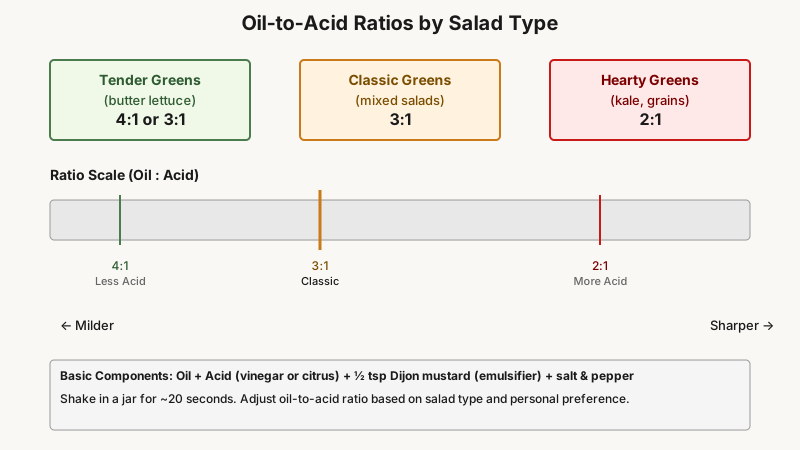
The foundation of every vinaigrette is the same: fat and acid. The traditional French ratio is 3 parts oil to 1 part vinegar (or other acid). That means for every tablespoon of vinegar, you add three tablespoons of oil.
This ratio isn’t arbitrary. Oil coats greens without making them greasy, and a small amount of acid brightens the whole dish without overpowering it. At 3:1, the flavors balance — the fat rounds the sharpness of the acid, and the acid cuts through the richness of the oil.
That said, some people prefer a more assertive dressing and go 2:1. If you’re dressing something hearty like kale or a grain salad, a more acidic mix holds up better. Tender butter lettuce wants something closer to 3:1 or even 4:1.
Basic recipe (serves 4):
- 3 tablespoons extra-virgin olive oil
- 1 tablespoon red wine vinegar
- ½ teaspoon Dijon mustard
- Pinch of salt
- Freshly cracked black pepper
Combine everything in a small jar with a tight-fitting lid and shake vigorously for about 20 seconds. That’s it.
Why Mustard Is Not Optional (Or Almost Not)
Mustard does two things in a vinaigrette. First, it adds flavor — a mild, tangy sharpness that makes the dressing taste complete rather than just oily and sour. Second, and more importantly, it acts as an emulsifier.
Oil and water-based liquids don’t want to mix. Left alone, they separate immediately. Mustard contains compounds (primarily mucilage from the mustard seed) that help bind oil and water molecules together, creating a temporarily stable emulsion. The result is a creamy, cohesive dressing instead of two separate layers.
If you want a looser dressing — more like a drizzle than a coating — skip the mustard. If you want something that clings to leaves and stays blended longer, keep it in. Even half a teaspoon makes a noticeable difference.
Honey works as a secondary emulsifier too, which is why honey-mustard vinaigrettes tend to hold together especially well.
Choosing Your Oil
Extra-virgin olive oil is the default for good reason: its flavor is assertive enough to actually taste like something, and it pairs well with most acids and aromatics. Use a decent one — not your best finishing oil, but not the cheapest supermarket jug either.
That said, oil choice matters more than people think:
- Neutral oils (grapeseed, avocado, light olive oil): Use these when you want the acid or aromatics to lead — a citrus dressing, for example, where you don’t want olive oil competing with lemon.
- Walnut or hazelnut oil: Rich and nutty, excellent in fall salads with radicchio, pears, or blue cheese. These oxidize quickly, so buy small bottles and keep them refrigerated.
- Sesame oil: Almost always used in combination with a neutral oil (about 1 part sesame to 3 parts neutral). A little goes a long way. Use for Asian-style dressings with rice vinegar and soy.
Avoid cheap vegetable or canola oil in vinaigrettes — they don’t contribute anything and can have an unpleasant aftertaste when used raw.
Choosing Your Acid
Vinegar is the obvious choice, but “vinegar” covers a lot of ground:
- Red wine vinegar: The classic. Sharp, slightly fruity, works with everything from simple green salads to Niçoise.
- White wine vinegar: A bit milder and less colored — good for delicate salads where red wine vinegar might overpower.
- Sherry vinegar: Nutty and complex. Worth keeping a bottle around; it makes an ordinary vinaigrette taste more sophisticated with no extra effort.
- Apple cider vinegar: Slightly sweet and mellow. Good for slaws and heartier salads.
- Balsamic vinegar: Thick and sweet; traditional balsamic is more of a condiment than a salad vinegar. Cheap balsamic is very acidic and sweet — use sparingly or mix with red wine vinegar to balance it.
- Lemon (or lime) juice: Bright and fresh. Best used the day you make it — citrus juice goes flat within a few hours.
- Rice vinegar: Mild and slightly sweet. Essential for sesame-ginger dressings.

Building Flavor: Aromatics and Add-Ins
Once you have the ratio down, the real fun is in layering flavor. These additions turn a basic vinaigrette into something genuinely interesting:
The same principle of layering flavors applies well beyond dressings, as explained in Build Layers of Flavor in Soups & Stews.
Garlic
Raw garlic is sharp and pungent — fine if you like that, but it intensifies as the dressing sits. Grating it on a microplane (rather than chopping) distributes it more evenly and softens the bite slightly. For a mellower flavor, use roasted garlic or let a peeled clove sit in the vinegar for 10 minutes, then remove it.
Shallots
Sliced or minced shallots bring mild, slightly sweet onion flavor without garlic’s edge. Add them to the vinegar and let them sit for a few minutes before adding oil — a technique sometimes called a quick maceration that softens their sharpness.
Fresh Herbs
Chopped tarragon, chives, parsley, and basil all work well stirred into a finished vinaigrette. Add them right before serving; herbs turn dark and lose punch as they sit in acid.
A Touch of Sweetness
A small amount of honey, maple syrup, or even a pinch of sugar can round out a vinaigrette that tastes too sharp. You’re not making it sweet — you’re balancing it.
Soy Sauce or Fish Sauce
A few drops of either adds umami depth that’s hard to identify but easy to notice. Particularly good in grain salads or anywhere you want something more savory.
Spices
A pinch of smoked paprika, cumin, or za’atar can shift a dressing’s whole character. Don’t overthink it — small additions go a long way.
If you’re building a spice rack to pull flavors from for dressings like this one, How to Store Spices Right and Keep Their Flavor will help you keep those jars tasting fresh.
How to Emulsify Without a Jar
The jar-and-shake method works perfectly, but it’s not the only option:
- Whisk in a bowl: Add acid, mustard, salt, and aromatics to a small bowl. Then slowly drizzle in oil while whisking constantly. The slow addition helps build a more stable emulsion.
- Blender or immersion blender: For larger batches or creamier dressings (adding tahini, avocado, or roasted garlic). Blend acid and aromatics first, then stream in oil with the blender running.
- Spoon or fork: Honestly, just mixing everything together with a fork works fine if you’re dressing a salad immediately. It won’t emulsify well, but it will taste good.
Seasoning and Tasting
The most common mistake with homemade vinaigrette is under-seasoning. Salt doesn’t just add saltiness — it suppresses bitterness and makes other flavors pop. Season the acid component before you add the oil, because oil muffles salt’s solubility.
Taste your dressing on a leaf of whatever you’re dressing, not on a spoon. The dressing will taste more acidic on its own than it does diluted across a salad. Adjust from there.
If it tastes too sharp: add a bit more oil, a pinch of sugar, or swap some of the vinegar for water. If it tastes flat: more acid, more salt, or a little more mustard. If it tastes thin: it needs more emulsification — shake or whisk more vigorously.

Storage and Shelf Life
A vinaigrette made with only oil, vinegar, salt, and mustard will keep at room temperature for a few days and in the refrigerator for up to two weeks. Olive oil will solidify slightly in the fridge — just let it sit at room temperature for 10 minutes and shake before using.
Once you add fresh garlic, shallots, or fresh herbs, use the dressing within three to four days and keep it refrigerated. Fresh citrus juice shortens the window further — use it the same day for best flavor.
Making a larger batch (say, a full cup) is worth doing if you dress salads regularly. A standing ratio: ¾ cup oil to ¼ cup vinegar, seasoned to taste. That gives you roughly eight servings and takes no longer than making a single portion.
Five Variations to Try
Once the basic ratio is second nature, these combinations are worth exploring:
- Lemon-Dijon: Lemon juice instead of vinegar, extra mustard, a grating of lemon zest. Perfect with roasted vegetables or a simple arugula salad.
- Sherry-shallot: Sherry vinegar, minced shallot, a small amount of honey, neutral oil. Excellent with endive or frisée.
- Sesame-ginger: Rice vinegar, toasted sesame oil (1 part) plus grapeseed oil (2 parts), fresh grated ginger, a splash of soy. Goes with anything you’d serve with an Asian-inspired salad or grain bowl.
- Herb vinaigrette: Red wine vinegar base with a generous amount of chopped parsley, chives, and tarragon. Works as a sauce over grilled fish or roasted potatoes, not just salad.
- Walnut vinaigrette: Walnut oil, sherry vinegar, a touch of Dijon, a pinch of salt. Pairs beautifully with bitter greens, goat cheese, and toasted walnuts.
A Few Final Notes
The ratio is a guideline, not a law. Once you understand why 3:1 works — fat softens acid, acid lifts fat — you can adjust confidently. Different vinegars have different acidity levels (sherry vinegar tends to be milder than red wine vinegar; rice vinegar is milder still), so the “right” ratio shifts depending on what you use.
Make it at home a few times and you’ll realize pretty quickly that bottled dressing is a habit, not a necessity. The homemade version takes roughly the same amount of time as opening a bottle and shaking it, costs less, and tastes noticeably better on food you’ve put effort into cooking.