How to Introduce a New Cat to Your Home: Why Slow Wins Trust

Bringing a new cat home is genuinely exciting — and genuinely stressful, for everyone involved, including the cat. Most introductions that go badly do so not because the animals are incompatible, but because the process was rushed. Cats are territorial by nature, and a home that smells entirely of a stranger is alarming, not welcoming. The good news: a slow, methodical introduction almost always works, even when the early signs look discouraging.
This guide walks you through the full process, from the moment you leave the shelter or breeder to the point where your cat is sleeping on your couch like they’ve always lived there.
Before Your Cat Arrives: Set Up a Base Room
Do this before you bring the cat home, not after. The single biggest mistake new owners make is releasing a cat into the full house on day one. A large, unfamiliar space is overwhelming for a cat that has just lost every landmark it knew.
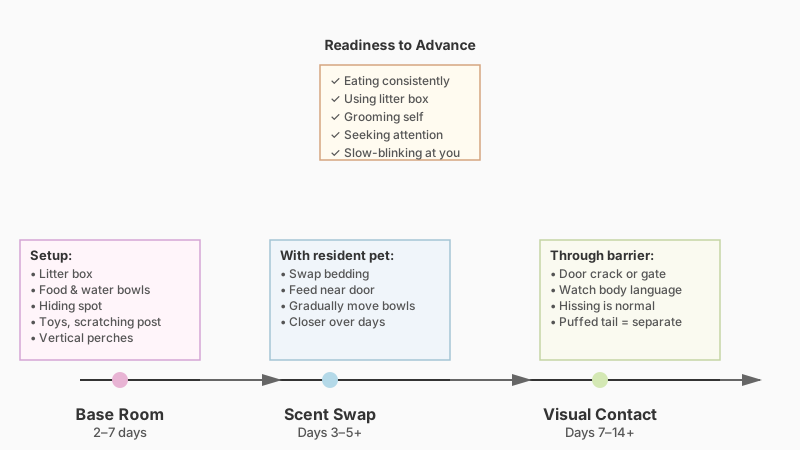
Choose a smaller room — a spare bedroom or a large bathroom works well — and equip it fully:
- Litter box (scooped and ready, not near the food)
- Food and water bowls placed a good distance apart
- A hiding spot — a cardboard box on its side, a cat carrier with the door removed, or a covered bed
- Vertical options if possible: a small cat tree or a cleared shelf
- Toys and a scratching post
This room becomes the cat’s entire world for the first few days, sometimes longer. Don’t rush them out of it.

How Long Should the Base Room Phase Last?
At minimum, two to three days. For a shy or anxious cat, it could be a week or more. The cue to move forward isn’t the calendar — it’s the cat’s behavior. When they’re eating consistently, using the litter box reliably, and seeking attention rather than hiding, they’re ready for the next step.
The First Days: Building Confidence Without Pressure
Spend time in the base room with your cat, but let them set the pace. Sit on the floor — you’re less intimidating that way — and let them approach you. Resist the urge to pick them up, follow them, or force interaction. A cat that chooses to come to you is a cat that’s starting to trust you.
Talk quietly while you’re in the room. Read a book. Work on your laptop. Your presence becomes familiar without being a source of stress.
Feed your cat on a consistent schedule. Free-feeding isn’t ideal here — scheduled meals create a predictable routine, which is calming for cats in a new environment, and they also help you track whether the cat is eating normally.
Signs Your Cat Is Settling In
Watch for these positive indicators:
- Eating full meals without hiding immediately after
- Grooming themselves (a cat that grooms is a cat that feels safe enough to be vulnerable)
- Slow-blinking at you or making eye contact without darting away
- Bringing a toy to you or playing when you dangle one nearby
- Kneading or rubbing against objects and furniture
If your cat is still hiding under the bed for most of the day after a full week, consider whether there’s a stressor you can remove — strong smells, loud sounds near the room, too much foot traffic past the door.
Introducing a New Cat to Resident Pets
If you have existing pets — another cat, a dog, or both — this section matters most. Rushing this step is the primary reason cat introductions fail.
Cat-to-Cat Introductions
The gold-standard method used by most animal behaviorists is a gradual scent swap, followed by visual contact before any physical contact.
Step 1: Scent Introduction Before the cats ever see each other, let them get used to each other’s scent. Swap bedding between the base room and the rest of the house. Feed both cats near the closed door between them — close enough that they associate the other cat’s smell with something good (food), but not so close that either cat is too anxious to eat. Gradually move the bowls closer to the door over several days.
Step 2: Visual Introduction (With a Barrier) Once both cats are eating calmly near the door, crack it open an inch with a door stopper, or use a baby gate stacked double-high so they can see but not reach each other. Some owners use a screen door if they have one available. Watch the body language carefully:
- Hissing and growling at this stage is normal and not a reason to stop the process
- Puffed tails and flattened ears mean things are escalating — separate them and go back a step
- Sniffing through the gap with neutral body posture is a good sign
Step 3: Supervised Face-to-Face Time Let the new cat out into a neutral space — not the resident cat’s favorite room — for short, supervised sessions. Keep sessions to 5–10 minutes initially. Have a towel or pillow ready to gently place between them if things escalate; never reach between two cats that are about to fight.
Expect hissing. Expect posturing. Weeks of coexisting while ignoring each other often precede genuine friendship. Some cats never become friends but do learn to share a home peacefully — that’s a successful outcome too.

Dog-to-Cat Introductions
Dogs introduce a different challenge: most dogs want to investigate enthusiastically, which looks terrifying from a cat’s perspective. The key is keeping the dog calm and under control while giving the cat full freedom to retreat.
- Keep the dog on a leash during initial meetings
- Ensure the cat always has a route to escape — ideally elevated spaces the dog cannot reach
- Reward the dog calmly for ignoring or relaxing around the cat; high-energy praise can rev up the dog and spike the cat’s anxiety
- Never let the dog chase the cat, even once — it sets a precedent that’s hard to undo
Some dogs take days to settle down around a new cat; others take months. The cat’s comfort is the limiting factor. If your dog has a high prey drive or has previously injured a small animal, consult a veterinary behaviorist before proceeding.
Setting Up the Rest of the Home
Once your cat is exploring beyond the base room, the environment you’ve created will either support their confidence or undermine it.
Litter Box Placement and Numbers
The standard recommendation from veterinary sources is one litter box per cat, plus one extra. So for a single cat: two boxes. For two cats: three boxes. Place them in different locations — one box in a corner that both cats can access means the dominant cat can block the subordinate one, which often leads to litter box avoidance and the problems that follow.
Avoid placing boxes in high-traffic areas or near noisy appliances. Cats prefer to toilet in quiet, private spots where they can see an exit.
If your newcomer is still a kitten, How to Litter Train a Kitten: Working With Their Natural Instinct offers a helpful primer on building good bathroom habits from the start.
Vertical Space and Territory
Cats feel safest when they can observe from a height. Cat trees, cleared bookshelves, and window perches all increase the effective territory of your home without requiring more floor space. In a multi-cat household, vertical space reduces competition — two cats can both occupy “high ground” in the same room if you provide enough levels.
Feeding Stations
In a multi-cat home, feed cats in separate locations. Side-by-side bowls create tension — even cats that appear friendly can guard food. Separate stations let each cat eat at their own pace without anxiety.
Common Problems and How to Handle Them
The new cat won’t come out from under the bed. This is common and not a crisis. Don’t drag them out. Sit nearby, put a worn piece of your clothing near the hiding spot, and be patient. Reducing hiding spots (blocking under-bed access) can sometimes help — it sounds counterintuitive, but when a cat can’t disappear completely, they often adapt faster. Use this tactic only if the cat is eating and using the litter box; otherwise it adds stress.
The resident cat has stopped eating or using the litter box. This is a sign of significant stress and shouldn’t be ignored. Slow the introduction down, return the new cat to the base room, and consult your vet if it continues. Feliway (a synthetic feline pheromone) diffusers can help reduce baseline anxiety in both cats; multiple independent studies have found them moderately effective.
The cats had a serious fight. Separate them immediately and go back to the scent-swapping phase. One fight doesn’t mean the introduction is over, but it does mean you moved too fast. Give both cats time to calm down — usually at least 24–48 hours — before resuming.
The new cat is attacking the resident cat unprovoked. Redirected aggression and play aggression look different from genuine territorial aggression. If the behavior is persistent and escalating, seek advice from a certified cat behaviorist (look for the IAABC credential) rather than trying to manage it alone.

For cats who startle easily during the adjustment period, How to Keep Pets Calm During Fireworks: Start Days Before, Not Hours has useful techniques that also apply to easing general anxiety at home.
Conclusion: Patience Is the Actual Strategy
The most useful thing you can do for a new cat is slow down. Every cat is different — some settle in within a week; others need a month or more before they’re genuinely comfortable. Neither timeline is wrong.
Most behavior problems that appear in the first few months — hiding, aggression, litter box issues — resolve themselves when the environment is calm, predictable, and gives the cat control over its own interactions. Your job isn’t to force the cat to be happy in its new home. It’s to create the conditions where that happiness can develop on its own schedule.
A cat that takes six weeks to trust you and then never leaves your side is a better outcome than a cat that was pushed into socializing and never quite relaxed. Trust the process, watch the signals, and let the cat lead.