How to Litter Train a Kitten: Working With Their Natural Instinct

Most kittens take to litter training faster than you’d expect. Their instinct to bury waste is already there — your job is mostly about making the right choices early so that instinct has somewhere good to go. Get the setup wrong, though, and you can create habits that are genuinely hard to break later. Here’s how to do it right from the start.
Why Kittens Are Usually Easy — and When They’re Not
Kittens begin learning elimination habits from their mother as early as three to four weeks of age. By the time a kitten is weaned and ready to come home with you (typically around eight to twelve weeks), the basic idea of digging and covering is already part of their behavior. This is quite different from housebreaking a puppy, which requires building a behavior from scratch.
That said, some kittens struggle. Orphaned kittens who were bottle-fed may not have had a mother to model the behavior. Very young kittens (under four weeks) still need stimulation from a caregiver to eliminate at all. And kittens who had bad early experiences — like a litter box that was too dirty, too small, or in a frightening location — can arrive with genuine aversions that need patient retraining.
Knowing which situation you’re in shapes your approach.

Choosing the Right Litter Box and Litter
Box size and type
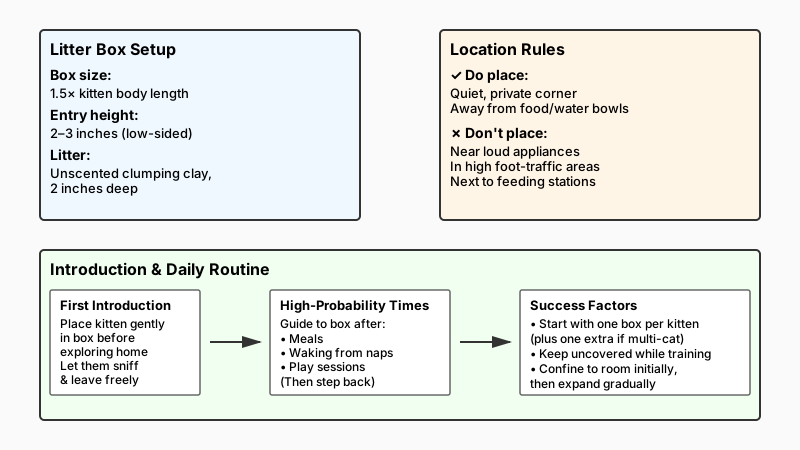
The most common mistake people make is buying a box that’s too small. A good rule of thumb: the box should be at least one and a half times the length of your kitten’s body. For a young kitten, a low-sided plastic storage tray actually works better than most commercial “kitten” boxes — the low entry point (about two to three inches) means they can climb in easily without jumping, which some very young kittens find difficult.
As your cat grows, upgrade the box. Adult cats need a box roughly the size of a shoebox lid — but larger. Many commercially sold boxes are simply too small for a full-grown cat, which is a significant cause of litter box avoidance in older cats.
Covered versus uncovered is a personal preference for some cats, but start uncovered with a kitten. Covered boxes trap odors, which cats — who have scent receptors far more sensitive than ours — often find off-putting. Once your kitten is reliably trained, you can experiment.
Litter type
Unscented, clumping clay litter is the most consistently preferred litter in published preference studies and is a safe default. The clumping texture is easy to dig, easy to clean, and doesn’t have the perfumes that can deter a sensitive cat.
Avoid scented litters during training. What smells clean to you may smell overwhelming to a kitten. Silica crystal litters and plant-based alternatives (wheat, corn, pine pellets) work for some cats but are best introduced after the kitten is already reliably trained — introducing something unfamiliar while you’re still building the habit adds an unnecessary variable.
Fill the box to about two inches of depth. Deeper fill gives kittens room to dig properly, which they genuinely want to do.
How many boxes?
The standard recommendation from veterinary behaviorists is one box per cat, plus one extra. For a single kitten in a small apartment, one box is often enough. In a multi-story home, put a box on each floor — kittens shouldn’t have to travel far, especially when they’re young and their bladder control is still developing.
Setting Up for Success: Location and Introduction
Where to put the box
Quiet, accessible, and private. A bathroom corner or a laundry room works well if foot traffic is low. Avoid placing the box next to the food and water bowls — cats naturally avoid eliminating near where they eat, and forcing that proximity can cause box refusal.
Also avoid locations with sudden noises. A box next to a washing machine that occasionally enters a spin cycle can traumatize a young kitten into associating the box with loud banging. Once that association forms, it’s hard to undo.
The first introduction
When you bring your kitten home, one of the first things to do — before letting them explore freely — is place them gently in the litter box and let them sniff around. Don’t force them to stay or move their paws in a scratching motion (this is often recommended but tends to stress kittens rather than teach them). Simply let them stand in it, investigate the litter, and leave when they choose.
After meals, after waking from a nap, and after play sessions are the three highest-probability moments for a kitten to need to go. Each time, carry or guide them to the box. You don’t need to wait with them — place them in, then step back or leave the room. Privacy matters.

Confine at first
If your kitten has free run of a large home immediately, accidents are almost guaranteed — not because they don’t know what the box is for, but because they can’t get there in time or forget where it is. For the first week or two, keep your kitten in one room or a small section of the home. Once they’re using the box consistently, expand their territory gradually.
Daily Habits That Make Training Stick
Keep the box clean
This is non-negotiable. Scoop at least once a day — twice is better. Cats will often refuse a soiled box rather than use it, and a kitten who refuses the box once and finds a corner of carpet instead can start developing a preference for that spot.
Full litter changes (empty the box entirely, wash it with mild soap, refill) should happen every one to two weeks with clumping litter, more often with non-clumping.
Never punish accidents
If your kitten goes outside the box, clean it up thoroughly with an enzymatic cleaner (standard household cleaners often don’t fully remove the odor markers cats use to find a spot again) and move on. Rubbing a kitten’s nose in an accident, raising your voice, or any form of punishment causes anxiety and can actually make litter box problems worse — it does not teach them to use the box.
The same gentle, patience-first approach applies broadly to feline stress, as covered in How to Keep Pets Calm During Fireworks: Start Days Before, Not Hours.
Positive association
Some trainers suggest offering a small treat immediately after a kitten uses the box correctly. This can accelerate learning, particularly for kittens who seem hesitant. Timing matters: the treat needs to come within a few seconds of them leaving the box, not minutes later.
Troubleshooting Common Problems
The kitten keeps going in the same wrong spot
If your kitten repeatedly uses a corner of the room, a laundry pile, or under the bed, try placing a second litter box in that exact location. Often they’ve decided that spot is their bathroom, and fighting it is harder than accommodating it. Once they’re using the new box reliably, you can very gradually (an inch or two per day) move it toward a more convenient location.
Going outside the box despite good training
Sudden litter box avoidance in a previously trained cat or kitten can signal a medical issue. Urinary tract infections, bladder inflammation (feline idiopathic cystitis), or constipation can make using the box painful, and the cat begins associating the box with pain rather than the condition itself. Any sudden change in litter box behavior warrants a veterinary check before assuming it’s a behavior problem.
Litter box fear
Some kittens become afraid of the box itself, usually after a startling event. Signs include running to the box, eliminating quickly while looking around anxiously, and then fleeing. Moving the box to a calmer location, switching to an uncovered box with lower sides, and rebuilding positive associations with treats near (not in) the box can help.
Multi-cat households
Once you add a second cat, dynamics change. Some cats guard litter boxes, preventing other cats from using them. Watch for ambushes near the box and ensure each cat has a box they can access without running a gauntlet. Boxes in separate rooms or on separate floors solve most inter-cat litter conflicts.
If the litter box drama is really about a rocky introduction between cats, our guide How to Introduce a New Cat to Your Home: Why Slow Wins Trust explains how to ease that tension from day one.
When Kittens Need Extra Help
Bottle-fed orphaned kittens under four weeks need you to stimulate elimination with a warm, damp cotton pad after each feeding — they cannot do this on their own yet. Once they reach four weeks, you can begin introducing a shallow tray with a tiny amount of litter. At this stage, some kittens will eat the litter out of curiosity; using a non-clumping, non-toxic litter (such as plain pellet litter made from paper) reduces the risk.
Kittens with mobility issues — a fractured leg, a neurological condition, or a congenital problem like swimmer kitten syndrome — need a box with an extremely low or cut-down entry. Make sure they can physically get in without pain or difficulty; otherwise they’ll avoid it regardless of training.
A Practical Timeline
Most eight-to-twelve-week-old kittens adopted from a responsible breeder or shelter are already using a litter box and simply need to be shown where their new box is. True accidents during the first few days are normal as they learn the new space.
Expect reliable, consistent use — very few accidents — within one to three weeks if you’ve set things up correctly and are scooping daily. If you’re still having frequent accidents after three weeks despite clean boxes, good placement, and no medical causes, it’s worth a consultation with a veterinary behaviorist or your regular vet.
The underlying goal is simple: make the litter box the easiest, most appealing, and most accessible option. Everything else follows from that.
Conclusion
Litter training a kitten isn’t complicated, but it does require consistency and a bit of attention in the first weeks. Pick the right box (large enough, low-sided for young kittens), use an unscented clumping litter, put it somewhere quiet and accessible, scoop it daily, and introduce your kitten to it early. Confine your kitten to a small space at first, expand gradually as they build the habit, and clean accidents with enzymatic cleaner rather than punishment.
Most kittens get this fast. Your job is mostly to not get in the way of instinct — and to maintain a clean enough box that they actually want to use it.