Meal Ideas for Picky Eaters: 20 Wins at the Table

Meal Ideas for Picky Eaters: 20 Wins at the Table
If you’ve ever made three different dinners because one person won’t touch anything green, another refuses “mixed-up food,” and a third only accepts beige, you’re not alone — and you’re not failing. Picky eating is genuinely common across all ages, from toddlers in the texture-sensitivity phase to adults with deep-rooted food aversions. The goal isn’t to trick anyone. It’s to build a practical rotation of meals that people actually eat, with room to grow.
These ideas are organized by what most picky eaters find acceptable: familiar flavors, simple presentations, and limited “surprise” ingredients.
Why Picky Eaters Reject Certain Foods (and Why It Matters)
Before the meal ideas, a quick note on the “why” — because understanding it changes how you cook.
Picky eating often comes down to a handful of overlapping causes:
- Texture sensitivity: Many picky eaters can’t tolerate mushy, slimy, or mixed textures. A child who loves raw carrots may refuse cooked ones — not out of stubbornness, but because the texture is genuinely unpleasant to their sensory system.
- Neophobia: Fear of new foods is a documented developmental phase in children, typically peaking between ages 2 and 6, but it can persist well into adulthood.
- Bitter sensitivity: Some people carry a genetic variant (TAS2R38) that makes bitter compounds taste far more intense. Broccoli, kale, and Brussels sprouts can genuinely taste harsh to them.
- Control and routine: For many picky eaters, familiar food is a form of comfort and predictability. Forcing change often backfires.
Knowing this means you can stop serving steamed broccoli to someone who finds it bitter and start finding workarounds — roasting to reduce bitterness, cheese sauces, or just accepting a different vegetable entirely.

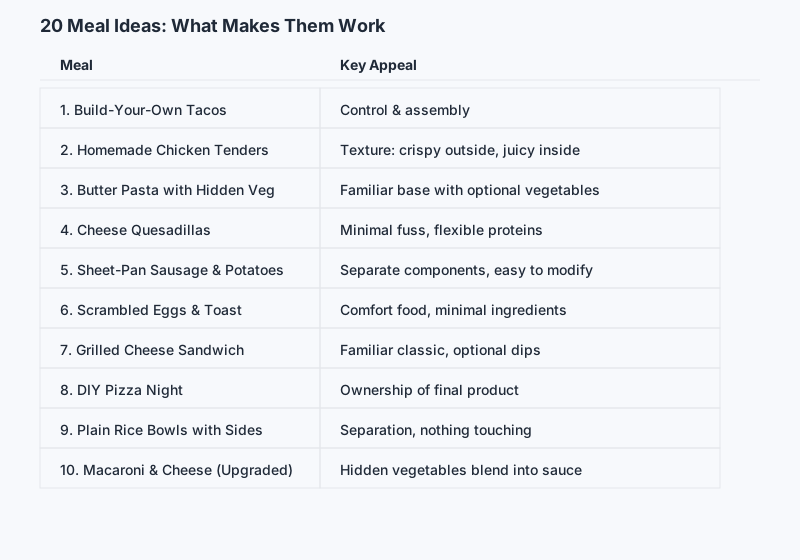
20 Meal Ideas That Work for Picky Eaters
For more quick dinner inspiration beyond this list, 15 Easy Weeknight Dinner Recipes Ready in 30 Min offers plenty of options that can be adapted to picky-eater tastes.
1. Build-Your-Own Tacos
Tacos win because everyone assembles their own plate. Put the protein (seasoned ground beef, shredded chicken, or black beans), the toppings, and the shells in separate bowls. One person builds a loaded taco; another eats a plain tortilla with cheese. Nobody complains, nobody compromises.
2. Homemade Chicken Tenders
The crispy-outside, juicy-inside ratio is what picky eaters love. Bread strips of chicken breast in seasoned breadcrumbs and bake or air-fry at around 200°C (400°F) until golden. Serve with a simple dipping sauce — ketchup, honey mustard, or plain mayo. This is one of the most universally accepted meals across age groups.
3. Butter Pasta with Hidden Veg
A classic base: spaghetti or penne tossed with butter and a little grated parmesan. You can blend cauliflower or butternut squash into the butter sauce without changing the flavor noticeably. This is not about deception long-term — it’s a starting point. Serve the vegetables separately on the side once trust is established.
4. Cheese Quesadillas
Flour tortillas, melted cheese, minimal fuss. Add a protein — shredded rotisserie chicken, black beans — to one half if someone’s open to it, and leave the other half plain. Cut into triangles and serve with salsa on the side for those who want it.
5. Sheet-Pan Sausage and Potatoes
Sausage coins and cubed potatoes roasted on a sheet pan with olive oil and salt. Nearly everyone who tolerates meat accepts this combination. You can add bell peppers to one corner for anyone willing, without touching the rest of the pan.
6. Scrambled Eggs and Toast
Breakfast-for-dinner is a legitimate strategy. Soft scrambled eggs with buttered toast requires almost no ingredients and hits comfort-food notes reliably. Add cheese or skip it depending on preference.
7. Grilled Cheese Sandwich
Two slices of white or sourdough bread, butter, melted cheese. Serve with a cup of tomato soup for dipping if the eater is open to it, or just on its own. Sometimes the most successful meal is the most obvious one.
If you want to nail the technique for that gooey, evenly melted result every time, How to Make a Perfect Grilled Cheese Sandwich: Why Low Heat Wins breaks down exactly why low heat wins.
8. DIY Pizza Night
Small pizza bases (pre-made dough rounds, naan, or English muffins), tomato sauce, shredded mozzarella, and a toppings bar. Each person builds their own. This removes almost every objection because ownership of the final product matters to picky eaters.

9. Plain Rice Bowls with Sides
Steamed white rice with small bowls of accompaniments: soy-glazed edamame, cucumber slices, teriyaki chicken, plain shredded carrot. The key is separation — nothing touching. Picky eaters often eat more variety when each component is distinct and they control what goes on their plate.
10. Macaroni and Cheese (Upgraded)
Shell pasta in a proper cheddar cheese sauce (not just powdered mix) is surprisingly flexible. Stir in a spoonful of cream cheese for creaminess. You can sneak in finely grated zucchini or carrot — they melt into the sauce. For older kids or adults, a sprinkle of smoked paprika can expand the flavor profile without alarming anyone.
11. Meatballs with Marinara
Baked or pan-fried meatballs — beef, pork, or a mix — served with a simple marinara and pasta or just crusty bread. The form factor matters: meatballs feel distinct and manageable, which is easier for texture-sensitive eaters than a chunky stew.
12. Fish Fingers and Oven Chips
Store-bought or homemade, fish fingers remain one of the most reliably accepted fish dishes for people who “don’t like fish.” The coating does a lot of work. Pair with oven-baked fries and a side of peas for anyone who’ll take them.
13. Chicken Fried Rice
Day-old cooked rice (cold rice actually fries better), diced chicken, egg, soy sauce, and a little sesame oil. This is mild enough for most palates and flexible enough to leave out or add any vegetable. Frozen peas and corn stir in easily without strong flavor.
14. Baked Potato Bar
A baked russet potato with toppings served separately: butter, sour cream, cheddar, crumbled bacon bits, chives. Each person tops their own. It’s filling, nearly universally liked, and practically effort-free on a weeknight.
15. Peanut Butter Noodles
Cold or warm noodles tossed in a simple peanut sauce: peanut butter, soy sauce, a dash of honey, and a splash of warm water to loosen. Mild, slightly sweet, and palatable to people who would reject a more complex stir-fry. Skip the chili if serving anyone with heat sensitivity.
16. Chicken Soup
A clear broth-based chicken soup — not too thick, not full of unfamiliar vegetables — works because it’s warm, simple, and non-threatening. Stick to noodles or rice, diced carrot, and shredded chicken. Skip herbs if that’s a sticking point.
17. Ham and Cheese Sandwiches (on Their Terms)
Let the picky eater dictate the exact construction: which bread, which cheese, mustard or no mustard, cut in triangles or squares. Control over the details reduces resistance. Serve with plain crisps or fruit on the side.
18. Plain Pancakes with Toppings on the Side
Fluffy buttermilk pancakes with maple syrup, butter, and fresh strawberries — all served separately. No fruit baked into the batter, no surprises. This works as breakfast or dinner and is nearly universally accepted.
19. Teriyaki Chicken with Rice
Chicken thighs marinated in a simple teriyaki sauce (soy sauce, mirin, a little sugar) and grilled or baked, served over steamed rice. The sweet-savory flavor profile tends to be one of the first “adventurous” flavors many picky eaters accept, making this a useful bridge dish.
20. Mini Sliders
Small beef patties in soft dinner rolls with whatever toppings each person wants. The small size makes them feel less daunting than a full burger. Set out cheese, ketchup, mustard, and lettuce separately. Kids often eat three of these without complaint when they’d refuse a full-sized burger.
Strategies That Actually Help Over Time
Meals alone won’t shift a picky eater’s habits. These approaches make a real difference:
Serve new foods alongside accepted ones. If you put a small portion of an unfamiliar food next to something the person already likes, exposure increases without pressure. Research from feeding therapy consistently shows that repeated low-stakes exposure — without forcing — builds tolerance over time.
Never make the meal a conflict. Pressure at the table increases food anxiety, especially in children. Offer the new food, note it neutrally, and move on. If they don’t eat it, that’s okay.
Involve them in preparation. Picky eaters of all ages are substantially more likely to try something they had a hand in making. Let a child wash the vegetables, grate the cheese, or stir the batter. Adults respond to this too — cooking something yourself creates buy-in.
Respect texture preferences without surrendering entirely. If someone can’t tolerate mushrooms because of sliminess, don’t serve mushrooms. But if they’d eat them roasted crispy (a very different texture), that’s worth trying once.
Rotate the wins. Once you identify 10–15 meals that reliably work, you have a workable menu cycle. That’s not a small number — many families operate on eight or fewer staples without noticing.

A Note on When to Seek Help
Extreme picky eating — eating fewer than 20 foods, losing weight due to restriction, significant distress at mealtimes, or gagging on textures — can indicate a condition called Avoidant/Restrictive Food Intake Disorder (ARFID). A pediatrician, dietitian, or feeding therapist can assess and help. This is not a parenting failure; it’s a real clinical issue with effective treatment options.
The Bottom Line
The best meal for a picky eater is one that actually gets eaten. Start with the dishes on this list, identify the consistent wins, and build from there. Small variations — a new dipping sauce, a different cheese, a different shape of pasta — introduced without fanfare often expand a picky eater’s range more reliably than dramatic intervention. Progress is slow, but it does happen.