How to Bake a Potato in the Oven: 7 Steps to Perfect

A truly great baked potato is one of the most underrated things you can pull out of a kitchen. The skin crackles when you press it. The interior is fluffy, not gluey. And you made it without a recipe card — just a potato, some fat, salt, and heat. Getting there is simple once you understand what’s actually happening inside the oven.
This guide covers everything from choosing the right potato to nailing the finish, with a few honest opinions on common shortcuts (spoiler: the microwave is not your friend here).
1. Choose the Right Potato
Not every potato bakes well. The variety you pick determines the final texture more than anything else.
Russet (Idaho) potatoes are the gold standard for oven baking. They have a thick skin that crisps up beautifully and a high starch content that produces a light, fluffy interior when the heat breaks down the cell walls. If you want that iconic diner-style baked potato, use a russet.
Yukon Gold potatoes are a reasonable alternative. They’re creamier, less fluffy, and have thinner skin — which means the skin won’t get quite as crispy. Great if you prefer a denser, buttery texture.
Red or fingerling potatoes — skip them for this application. They’re waxy, low in starch, and better suited to roasting or boiling.
For best results, pick potatoes that are roughly the same size so they finish cooking at the same time. A medium russet (around 8–10 oz) is the practical sweet spot.

If you’re craving something crispier than a baked potato, check out Crispy French Fries at Home: The Complete Fresh Potato Guide for a completely different way to enjoy the same humble spud.
2. Gather What You Actually Need
The ingredient list is short:
- Russet potatoes (one per person)
- Olive oil or neutral vegetable oil
- Coarse kosher salt (not table salt — the coarser grind sticks and seasons the skin properly)
- Optional: black pepper, garlic powder for extra flavor
For equipment: a standard oven, a baking sheet or oven rack, a fork, and that’s it. You don’t need aluminum foil — more on that below.
3. Prep the Potato (Don’t Skip This)
Proper prep takes about three minutes and makes a real difference.
Scrub thoroughly
Baked potatoes are typically eaten skin-and-all, so scrub under cold running water with a stiff brush or the rough side of a sponge. Rinse well.
Dry completely
Pat the potato dry with a kitchen towel. Moisture on the surface will steam the skin rather than crisp it.
Pierce with a fork
Poke the potato 10–12 times all over with a fork. This lets steam escape during baking. Skip this step and you risk the potato splitting — not dramatically dangerous, but messy and uneven.
Oil and salt the skin
Rub a light coat of olive oil all over the potato with your hands, then roll it generously in coarse kosher salt. The salt should visibly coat the skin. This is the single most important step for getting a properly seasoned, crispy exterior.
4. Set the Right Oven Temperature
Here’s where opinions diverge, and for good reason — temperature affects texture.
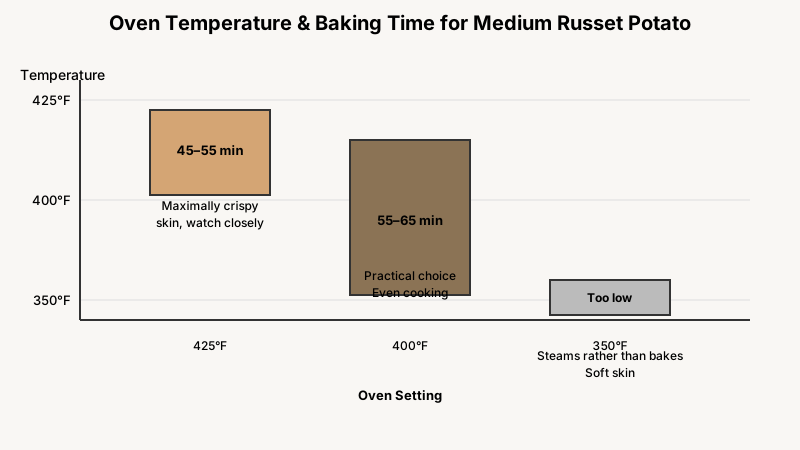
400°F (205°C) is the most practical all-around choice. A medium russet at 400°F takes about 55–65 minutes. The skin crisps well, the interior cooks through evenly.
425°F (220°C) is the better choice if you want maximally crispy skin and don’t mind watching closely. Reduce time to roughly 45–55 minutes. The higher heat does a better job of desiccating the skin.
350°F (175°C) is too low for a single potato. The potato ends up steaming in its own moisture rather than baking, and the skin stays soft.
Always preheat the oven fully before the potato goes in. A cold-start will cook the potato unevenly.
5. Place It Correctly in the Oven
Skip the baking sheet if you want the crispiest result. Placing the potato directly on the oven rack allows hot air to circulate all the way around, including the bottom. A baking sheet insulates the underside and can leave it softer.
If you’re baking multiple potatoes or you’re worried about drips, a wire rack set inside a rimmed baking sheet is a solid compromise.
Center rack position gives the most even heat. Avoid the very top (skin burns before the interior cooks) or very bottom (uneven browning).

6. The Foil Question — Just Say No
Wrapping potatoes in foil is one of the most persistent myths in home cooking. Foil traps moisture, which steams the potato rather than baking it. You get soft, almost wet skin and a slightly gummier interior. It’s the texture of a potato that’s been microwaved, not roasted.
Foil does have one legitimate use: keeping a finished baked potato warm for up to 20–30 minutes after it comes out of the oven. Wrap it then if you need to hold it for guests.
Since baking potatoes at high heat can leave behind stubborn drips and scorched spots, How to Deep Clean Your Oven Naturally Without Chemicals is a handy follow-up once you’re ready to tackle the mess.
7. Know When It’s Done
Don’t rely on time alone — potato size varies too much. Use a combination of these checks:
- The squeeze test: Wearing an oven mitt, gently squeeze the potato. It should give easily, feeling soft all the way through, not firm in the center.
- The fork test: A fork should slide to the center with no resistance.
- The internal temperature: If you have an instant-read thermometer, the interior should hit 210°F (99°C). At this temperature, starch granules have fully gelatinized and the interior is properly fluffy rather than dense.
- Visual cue: The skin will be visibly dry, slightly wrinkled, and deep golden-brown — not pale.
Once it’s done, remove it from the oven and let it rest for 5 minutes. Then cut a slit across the top and pinch the ends toward each other to open it up and expose that fluffy interior.
Toppings: Classic and Worth Knowing
A plain baked potato is a vehicle. What you put on it determines whether it’s a side dish or a full meal.
Classic combination: Butter, sour cream, shredded cheddar, and chives. Apply in that order — butter first so it melts into the interior.
Loaded meal versions:
- Chili + shredded cheddar + jalapeños
- Broccoli + cheddar cheese sauce
- Pulled pork or short-rib braising liquid
- Smoked salmon + crème fraîche + capers
For a lighter option: Greek yogurt (full-fat) is a near-identical substitute for sour cream with more protein and less fat.

Common Mistakes and How to Avoid Them
Undercooking
The most frequent error. People pull the potato when it looks done from the outside but the center is still dense. Use the temperature check — it removes all guesswork.
Oiling too heavily
A thin coat of oil is all you need. Excess oil pools at the bottom of the oven and smokes.
Skipping the salt on the skin
The skin is part of the dish. Unsalted skin on a baked potato tastes bland and papery. Salt it generously before it goes in.
Using the microwave to finish it
Some recipes suggest starting in the microwave to save time. This works in a technical sense — the potato is edible — but the texture is noticeably different: denser and slightly rubbery. If time is short, increase oven temperature to 425°F instead.
Not resting it
Cutting immediately traps steam and the interior can collapse to a paste. Five minutes of rest makes a real difference.
A Few Honest Notes on Variations
Twice-baked potatoes: Bake as above, scoop out the interior, mix with cheese, butter, and sour cream, restuff the skins, and bake again at 375°F for 20 minutes. This is a make-ahead friendly option.
Hasselback style: Before baking, slice the potato crosswise at 3mm intervals, stopping short of cutting all the way through. Rub oil and salt between the slices. The result is crispy on every layer.
Salt-crusted bake: Bury the potato entirely in coarse kosher salt in a Dutch oven and bake at 400°F for about 75 minutes. The salt draws out moisture aggressively, leaving the skin remarkably crispy. Dramatic, and genuinely worth trying.
Conclusion
Baking a potato in the oven is not complicated, but the details matter. Use a russet, dry it well, coat it in oil and plenty of kosher salt, bake at 400–425°F directly on the rack, and pull it when the interior hits 210°F. Skip the foil. Rest it briefly before opening.
Done right, a baked potato is a complete, satisfying meal — one of the few things in cooking that asks almost nothing of you and delivers every time.