Homemade Pesto: 7 Secrets to Getting It Right

Why Homemade Pesto Beats the Jar Every Time
If you’ve ever made homemade pesto and compared it to the green paste from a grocery store jar, the difference is almost shocking. Fresh pesto is bright, grassy, and a little sweet — it tastes like the actual plant it came from. The jarred version, by contrast, is cooked during pasteurization, which turns the basil dull and mutes everything the sauce is supposed to be.
This guide covers the full process: the right ingredients, the ratio that matters, the technique choices (mortar vs. blender), and the most common mistakes that turn pesto brown or bitter. Whether you’ve never made it before or you’re trying to nail a better version, you’ll find something specific and useful here.

The Classic Genovese Formula
Authentic Ligurian pesto — the original — has exactly six components. Before you start improvising with arugula or cashews, it helps to understand what the standard recipe is actually doing, so your substitutions are informed rather than accidental.
The six ingredients:
- Fresh basil — specifically small-leaf Genovese basil, which is sweeter and less anise-forward than the large Thai or globe varieties
- Extra-virgin olive oil — mild and fruity, not peppery (a Ligurian or Sicilian oil works best here)
- Pine nuts — lightly toasted adds depth, but raw is traditional
- Parmigiano-Reggiano — aged at least 24 months for sharpness
- Pecorino Romano — used in smaller amounts for its sharp, salty edge
- Garlic — just one or two cloves for a standard batch; raw garlic is aggressive, so don’t overdo it
- Coarse sea salt — used during grinding to help break down the basil leaves
The ratio that holds everything together
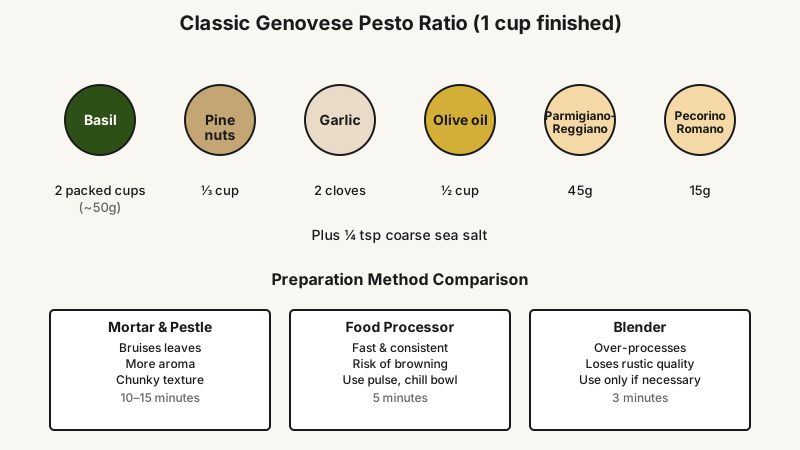
A reliable base ratio for roughly 1 cup of finished pesto:
- 2 packed cups fresh basil leaves (about 50g)
- ⅓ cup pine nuts
- 2 cloves garlic
- ½ cup extra-virgin olive oil
- 45g Parmigiano-Reggiano, finely grated
- 15g Pecorino Romano, finely grated
- ¼ tsp fine sea salt (adjust to taste)
This ratio is a starting point, not a decree. If you want a looser sauce for bruschetta, add more oil. If you’re using it as a spread or dip, keep it thicker.
Mortar and Pestle vs. Food Processor vs. Blender
This is the most argued point in any pesto conversation, and the debate is genuinely worth having because the method changes the texture and flavor of the finished sauce.
Mortar and pestle (the slow way that works best)
Grinding by hand bruises the basil cells rather than chopping them, releasing more volatile aromatic compounds — which is why the sauce tastes greener and more fragrant. It also keeps the oil from fully emulsifying, giving you that characteristically loose, chunky texture.
The process takes about 10–15 minutes:
- Start with the garlic and salt. Pound into a paste.
- Add pine nuts. Pound until you have a rough paste.
- Add basil in small handfuls, grinding with a circular motion against the sides.
- Once the basil is broken down, stir in the oil gradually.
- Fold in the cheese by hand — never pound the cheese; it can turn the sauce gluey.
Food processor (fast, with one key drawback)
The blade friction heats the basil, which speeds up oxidation and can push the color toward army green within minutes of making the sauce. To counter this: keep your processor bowl and blade cold (stick them in the freezer for 10 minutes beforehand), use the pulse function rather than continuous running, and finish stirring in the oil by hand.
For everyday cooking — weeknight pasta, pizza topping, meal prep — the food processor is perfectly fine and produces a good result.
Blender
A high-powered blender can make pesto, but it tends to over-process and create a more uniform, almost creamy texture that loses the rustic quality. Use it only if it’s the only tool you have, and keep the speed low.

7 Secrets for Pesto That Actually Tastes Good
If you enjoy this kind of troubleshooting approach to cooking, our breakdown of Crispy Tofu: 7 Secrets to Getting It Right Every Time applies the same fix-the-common-mistakes mindset to a totally different dish.
1. Don’t skip the blanching step (if your basil is large-leafed)
If you’re working with large-leaf basil — the kind most supermarkets sell — a quick blanch preserves color and reduces the bitterness. Dip the leaves in boiling water for five seconds, then transfer immediately to an ice bath. Pat dry before using. Small-leaf Genovese basil rarely needs this.
2. Toast your pine nuts carefully
Pine nuts go from golden to burnt in about 30 seconds once they start coloring — they contain high levels of oil and brown fast. Use a dry skillet over medium-low heat and stay at the pan. Shake frequently. Pull them when they’re just starting to turn golden and fragrant. Let them cool completely before adding them to the mortar or processor.
3. Use room-temperature ingredients
Cold oil and cold cheese don’t incorporate as smoothly. Let everything sit out for 15–20 minutes before you start. This matters more for mortar-and-pestle preparation than for machine methods.
4. Add the cheese last, and off the heat
If you’re adding pesto to a hot pan, stir in the cheese after you’ve removed it from the burner. Parmigiano melts and turns stringy when it hits direct heat, which can make the sauce seize. Toss the pesto with pasta off the heat, using a small splash of the starchy cooking water to loosen everything and help the sauce cling.
5. Balance the garlic
One common complaint about homemade pesto is that it tastes sharp or harsh the next day — raw garlic intensifies as it sits. A few ways to mellow it: rub the cloves with the flat of a knife to remove the inner green sprout (the germinating shoot is more pungent), or use roasted garlic for a sweeter, softer flavor.
6. Protect the color with a lemon squeeze
A tiny squeeze of fresh lemon juice — no more than a teaspoon per cup — acts as an antioxidant and keeps the sauce greener for longer. Don’t overdo it or you’ll taste the citrus. This is especially useful if you’re making pesto ahead of time.
7. Season at the end, not the beginning
Both Parmigiano and Pecorino are salty. Taste the sauce after you’ve incorporated the cheese, then add salt if needed. Most batches won’t need much, if any, additional salt once the cheese is in.
How to Store Pesto Without It Turning Brown
Fresh pesto starts oxidizing as soon as it’s made. To slow this down:
- Oil cap: Press a sheet of plastic wrap directly against the surface of the pesto, or pour a thin layer of olive oil over the top before sealing the container. This limits air exposure.
- Refrigerator: Pesto keeps in the fridge for 4–5 days with an oil cap. Without the cap, expect browning within 24 hours.
- Freezer: Pesto freezes extremely well for up to three months. Freeze it in ice cube trays, then transfer the cubes to a zip-lock bag. Each cube is roughly 1–2 tablespoons — a convenient portion for single servings of pasta.
Note: Do not add the cheese before freezing. The texture of the cheese degrades during freezing and thawing. Instead, freeze the basil-oil-nut-garlic base and stir in the cheese fresh after thawing.
Variations Worth Trying
Once you understand the core formula, the variations are easy to reason about:
- Walnut pesto: Replace pine nuts with toasted walnuts. Earthier, slightly more bitter — pairs well with pasta, roasted vegetables, or grain bowls.
- Arugula pesto: Use baby arugula in place of basil (or half and half). Peppery and assertive. Great with steak or as a pizza base.
- Sun-dried tomato pesto (pesto rosso): This is a different animal — made with sun-dried tomatoes, almonds, olive oil, and Parmigiano. It’s Sicilian in origin and works beautifully as a pasta sauce or on grilled bread.
- Vegan pesto: Omit the cheese and add nutritional yeast (about 2 tablespoons per batch) for a savory, umami depth. Add a squeeze of lemon to compensate for the brightness the cheese usually provides.
- Kale or spinach base: These work if you’re trying to extend the basil or use what’s available. They’re milder in flavor; bump up the garlic and lemon a touch.

What to Do With Pesto Beyond Pasta
Pesto is versatile in ways people don’t always use it. A few ideas:
- Soup base: Stir a spoonful into minestrone or white bean soup at the end of cooking — this is literally traditional in Liguria, where it’s called pesto alla Genovese used in minestrone alla Genovese.
- Flatbread and pizza: Use pesto as the sauce base under mozzarella and cherry tomatoes.
- Salad dressing: Thin with lemon juice and a little extra oil and toss with boiled new potatoes, green beans, and hard-cooked eggs.
- Eggs: Stir into scrambled eggs or dollop on a fried egg. The heat mellows the garlic and the richness complements the yolk.
- Sandwiches and wraps: A smear of pesto on a grilled chicken sandwich or in a turkey wrap does more than mayo with less effort.
- Roasted vegetables: Toss vegetables in pesto before roasting, or drizzle it over them after.
For more ways to put a good sauce to work, check out 12 Homemade Salad Dressing Recipes Worth Making for ideas that go well beyond the salad bowl.
A Few Final Notes
The best homemade pesto comes from good basil, decent oil, and a little patience with the technique. You don’t need a mortar and pestle to get a good result — but if you have one and 15 minutes, it’s worth using it at least once to understand what you’re aiming for.
Keep a batch in your freezer and you’ll find yourself reaching for it constantly — it’s one of those sauces that improves almost everything it touches without much effort on your part.