12 Homemade Salad Dressing Recipes Worth Making

Making salad dressing from scratch takes about three minutes and tastes markedly better than anything bottled. That’s not a marketing claim — it’s a matter of freshness. Bottled dressings rely on preservatives, stabilizers, and high doses of sugar or salt to survive months on a shelf. When you make your own, you control every ingredient, which matters whether you’re cutting sodium, avoiding seed oils, or just chasing a flavor that’s actually alive.
This guide covers twelve dressings across every major style: vinaigrettes, creamy, tahini-based, and a few that don’t fit neatly into a category. Each recipe is written as a starting point, not a rigid formula — ratios matter more than exact measurements when it comes to dressing.

The Foundation: Understanding Ratios Before Recipes
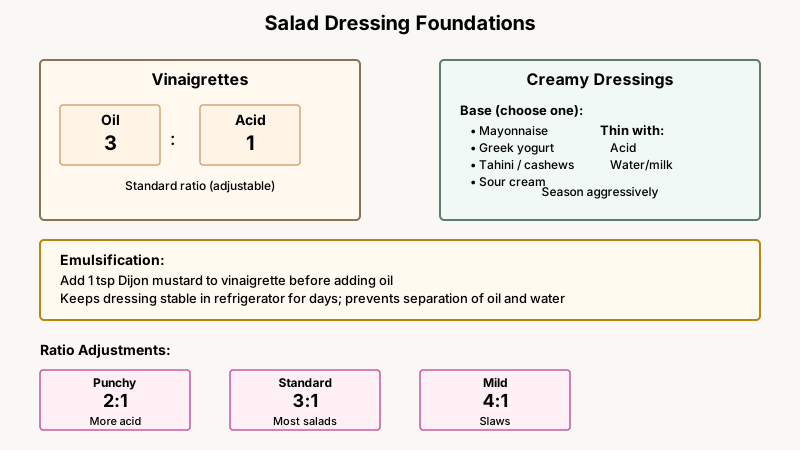
Most vinaigrettes follow a 3:1 ratio of oil to acid. That’s three tablespoons of olive oil for every one tablespoon of vinegar or citrus juice. But this isn’t sacred. A punchy shallot vinaigrette might want 2:1. A mild rice wine dressing for a slaw might stretch to 4:1. Taste as you go and adjust.
Creamy dressings use a base — mayonnaise, Greek yogurt, tahini, sour cream, or blended cashews — thinned with acid and seasoned aggressively. Without enough acid and salt, creamy dressings taste flat no matter how rich the base.
Emulsification keeps oil and water-based ingredients from separating. Mustard is the most practical emulsifier in a home kitchen: one teaspoon of Dijon whisked in before adding oil will hold a vinaigrette together for days in the refrigerator.
Classic Vinaigrettes
1. French Dijon Vinaigrette
The benchmark. This works on green salads, roasted vegetables, and lentils.
- 3 tbsp extra-virgin olive oil
- 1 tbsp red wine vinegar
- 1 tsp Dijon mustard
- ½ small shallot, very finely minced
- Salt and black pepper
Whisk together the vinegar, mustard, shallot, salt, and pepper first. Then drizzle in the oil while whisking constantly. Taste and adjust acid or salt. Keeps refrigerated for up to one week; the shallot mellows and sweetens after a day.
2. Lemon-Herb Vinaigrette
Brighter than a red wine version, this suits bitter greens like arugula or endive.
- 3 tbsp olive oil
- 1½ tbsp fresh lemon juice
- 1 tsp Dijon mustard
- 1 small garlic clove, grated on a microplane
- 2 tbsp finely chopped fresh parsley or tarragon
- Salt and white pepper
Combine everything except the oil, then whisk in the oil. The grated garlic (not pressed, not sliced) disperses evenly and avoids harsh raw-garlic bites.
3. Apple Cider Vinaigrette
Slightly fruity with a mellow tang. Good on cabbage slaws and grain bowls.
- 3 tbsp light olive oil or avocado oil
- 1 tbsp apple cider vinegar
- 1 tsp honey
- ½ tsp Dijon mustard
- Pinch of celery salt
Shake in a jar until emulsified. The honey balances the sharpness of the ACV without making the dressing sweet.
4. Balsamic Glaze Vinaigrette
Traditional balsamic vinaigrette can turn syrupy and heavy. This lighter version uses a small amount of aged balsamic for depth without weight.
- 2½ tbsp olive oil
- 1 tbsp aged balsamic vinegar (look for at least 6 years on the label)
- ½ tbsp red wine vinegar
- ½ tsp maple syrup
- 1 small garlic clove, minced
- Salt
Whisk and taste. Aged balsamic is naturally sweeter and more complex than standard supermarket balsamic, so you need less sweetener.

Creamy Dressings
If you’re building out a full salad, pairing these creamy dressings with a crunchy topping is easy once you check out Homemade Croutons: The Easy Guide to Perfect Results.
5. Classic Ranch
Most store-bought ranch is thick and aggressively salty. Homemade ranch is lighter and actually tastes of herbs.
- ½ cup mayonnaise
- ¼ cup buttermilk (shake before measuring)
- 1 tbsp sour cream
- 1 tbsp fresh chives, chopped
- 1 tbsp fresh dill, chopped
- ½ tsp garlic powder
- ½ tsp onion powder
- 1 tsp white wine vinegar
- Salt and pepper
Whisk together and refrigerate for at least 30 minutes before serving — the herbs need time to infuse. If you don’t have buttermilk, mix ¼ cup whole milk with ¾ tsp white vinegar and let it sit five minutes.
6. Greek Yogurt Caesar
Traditional Caesar uses raw egg yolk and a significant amount of oil. This version substitutes Greek yogurt for most of the oil, cutting calories while keeping the creamy, tangy character.
- ⅓ cup plain full-fat Greek yogurt
- 2 tbsp fresh lemon juice
- 1 tbsp olive oil
- 2 tsp Worcestershire sauce
- 1 tsp Dijon mustard
- 1 garlic clove, grated
- 2 tbsp finely grated Parmesan
- Salt and black pepper
- Optional: ½ tsp anchovy paste for depth
Whisk everything until smooth. This keeps for four to five days refrigerated. The anchovy paste doesn’t make it taste fishy — it adds an umami backbone that makes the dressing taste complete rather than flat.
7. Blue Cheese Dressing
Real blue cheese dressing has chunks in it. The chunks matter.
- ¼ cup mayonnaise
- ¼ cup sour cream
- 2 tbsp buttermilk
- 2 oz good blue cheese (Roquefort, Gorgonzola, or Maytag), crumbled — not blended smooth
- 1 tbsp white wine vinegar
- ½ tsp Worcestershire sauce
- Black pepper
Mix the mayo, sour cream, buttermilk, vinegar, and Worcestershire. Fold in the cheese crumbles last. Taste before adding salt — the cheese is already salty.
8. Avocado-Lime Dressing
Use this immediately or within 24 hours — avocado oxidizes and turns grey faster than people expect.
- 1 ripe avocado
- 3 tbsp fresh lime juice (about 2 limes)
- 2 tbsp olive oil
- 1 small garlic clove
- ¼ cup water
- Small handful fresh cilantro
- Salt and a pinch of cumin
Blend everything until completely smooth. The lime juice slows oxidation; press plastic wrap directly against the surface if storing.
Tahini and Asian-Inspired Dressings
Since tahini is the star ingredient here, you might also enjoy How to Make Homemade Hummus: The Complete Step-by-Step Guide to see how the same paste works in another savory staple.
9. Lemon-Tahini Dressing
The most versatile dressing in this list. Works on grain bowls, roasted cauliflower, kale salads, and as a dip.
- 3 tbsp tahini (stir the jar before measuring — the oil separates)
- 2 tbsp fresh lemon juice
- 1 tbsp olive oil
- 1 garlic clove, grated
- 2–4 tbsp water (add gradually until you reach your preferred consistency)
- Salt
Whisk the tahini and lemon together first — it will seize up and look broken. That’s normal. Keep whisking and add water one tablespoon at a time until it smooths out. Add garlic and salt last.
10. Sesame-Ginger Dressing
Classic on shredded cabbage, edamame salads, and anything you’d serve with rice.
- 2 tbsp toasted sesame oil
- 1 tbsp rice wine vinegar
- 1 tbsp soy sauce or tamari
- 1 tsp fresh ginger, grated
- 1 tsp honey
- 1 small garlic clove, grated
- Optional: ½ tsp chili flakes or a few drops of sriracha
Shake in a jar. Taste and adjust — this dressing is very savory, so add a little more honey or vinegar depending on your palate.

11. Peanut Dressing
Thick enough to coat noodles but works on salads too, especially ones with cucumber, shredded carrot, or mango.
- 3 tbsp natural peanut butter
- 1 tbsp soy sauce
- 1 tbsp rice wine vinegar
- 1 tsp sesame oil
- 1 tsp honey or brown sugar
- 1 tsp fresh lime juice
- 2–3 tbsp warm water to thin
- Optional: a small piece of fresh ginger, grated
Blend or whisk vigorously. Natural peanut butter (no added sugar or hydrogenated oil) gives a cleaner flavor than conventional.
A Dressing in Its Own Category
12. Honey-Miso Dressing
Fermented miso adds depth and a savory note that doesn’t have a simple substitute. White miso (shiro miso) is the mildest and most approachable for this.
- 1 tbsp white miso paste
- 1 tbsp rice wine vinegar
- 1 tbsp olive oil
- 1 tsp honey
- 1 tsp toasted sesame oil
- 1 tsp warm water
- Squeeze of fresh lemon
Whisk the miso with the vinegar and water first until fully dissolved — miso doesn’t incorporate well when added directly to oil. Then whisk in the remaining ingredients. Excellent on salads with bitter greens, roasted sweet potato, or anything with avocado.
Storage, Shelf Life, and Practical Tips
A few rules that actually hold up:
Glass jars are better than containers. You can shake to re-emulsify, see the level at a glance, and there’s no plastic leaching into acidic dressings.
Label with a date. Vinaigrettes without dairy last a week to ten days. Creamy dressings with yogurt, mayo, or buttermilk last four to five days. Dressings with fresh herbs start losing brightness after three days.
Bring it to room temperature before serving. Cold olive oil goes thick and slightly waxy. Ten minutes on the counter and a quick shake fix this.
Salt the greens lightly before dressing. A small pinch of flaky salt on the leaves before you add dressing means you’ll use less dressing overall while getting better-tasting salad.
Start with less dressing than you think you need. You can always add more. Overdressed salad is soggy salad.
Building Your Own Variations
Once you understand the structure — fat, acid, emulsifier, seasoning — you can improvise freely. Swap olive oil for walnut oil and red wine vinegar for sherry vinegar, and you have something different enough to feel new. Add a teaspoon of harissa to the Dijon vinaigrette and it becomes a North African-style dressing. Blend a roasted red pepper into the Caesar yogurt version and it turns a different color and flavor entirely.
The twelve recipes above are not a ceiling. They’re a working vocabulary. Once you’ve made a few of them a handful of times, you won’t need a recipe anymore — you’ll just taste and adjust, which is how most cooks actually work.
Start with the French Dijon vinaigrette and the lemon-tahini. Those two cover most situations and take about five minutes combined.