Freezer Friendly Meals for Busy Weeks: 20 Practical Ideas

Most people don’t realize how much time they lose to the nightly “what’s for dinner?” spiral. Freezer cooking isn’t about batch-cooking everything on Sunday until you hate the sight of your kitchen — it’s about strategic stocking, so that on a Tuesday when everything runs long, there’s real food waiting instead of a delivery app.
This guide covers what actually freezes well, how to build a rotation of 20 genuinely useful meals, and the small habits that make the difference between a freezer stash that gets eaten and one that becomes a graveyard of mystery containers.
Why a Freezer Stash Changes Weeknight Cooking
The freezer is underused by most households. Beyond bread, ice cream, and forgotten vegetables, the average freezer holds very little deliberate inventory. But a well-stocked freezer functions like a personal meal kit service — without the per-serving markup.
The core benefit isn’t just speed. It’s decision reduction. When you’ve already decided what to cook (past-you made that call on a calmer day), present-you just reheats. This is the practical reason freezer meals reduce takeout spending — not willpower, but reduced friction.
Freezer meals also shine during:
- Illness, injury, or postpartum recovery
- School or work deadlines that compress evenings
- Travel return days (landing at 9 p.m. to a home-cooked meal)
- Seasonal produce abundance — you can freeze a summer tomato sauce and eat it in winter
What Freezes Well (and What Doesn’t)
Before listing meals, it helps to understand the food science briefly, because the list of “freezer-friendly” meals you’ll find online sometimes includes things that technically survive but taste terrible after thawing.
Foods That Freeze Beautifully
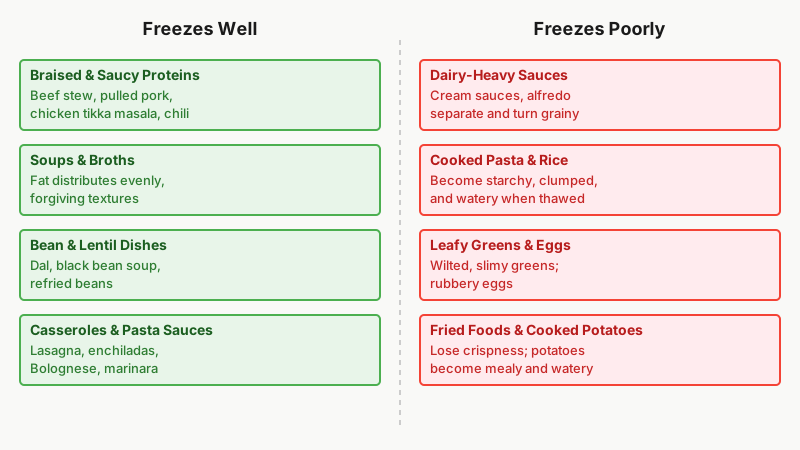
- Braised and saucy proteins — beef stew, pulled pork, chicken tikka masala, chili. The sauce protects the meat from freezer dryness.
- Soups and broths — almost universally excellent from frozen. Fat distributes evenly and textures are forgiving.
- Bean and lentil dishes — dal, black bean soup, refried beans. Legumes improve if anything.
- Pasta sauces (without the pasta) — Bolognese, marinara, meat sauce.
- Casseroles — lasagna, enchiladas, shepherd’s pie. High fat content and sauces protect texture.
- Baked goods — muffins, banana bread, waffles. Freeze individually, toast from frozen.
- Marinated raw proteins — chicken thighs in marinade freeze and marinate simultaneously. Thaw overnight, cook fresh.
Foods That Don’t Freeze Well
- Dairy-heavy sauces — cream sauces and alfredo separate and turn grainy. Freeze without the cream; add it fresh when reheating.
- Cooked pasta and rice — edible but starchy and clumped. Better to cook these fresh and pair with a frozen sauce.
- Cooked potatoes — watery and mealy after freezing (except mashed potatoes, which do fine with enough butter and cream).
- Leafy greens — wilted and slimy. Add fresh to any frozen soup.
- Egg-based dishes — scrambled eggs and omelets are disappointing. Hard-boiled eggs become rubbery.
- Fried foods — lose crispness entirely.
20 Freezer Friendly Meals Worth Making
These are organized loosely by category. Each entry includes a practical note about freezing or reheating.
Soups and Stews
1. Classic Beef and Vegetable Stew Chunk-cut chuck roast with carrots, celery, and a red wine broth. Freeze without potatoes; add diced potatoes when reheating. Serves well over 6 months frozen.
2. Chicken Tortilla Soup Shredded chicken, black beans, fire-roasted tomatoes, and cumin. Top fresh with avocado, sour cream, and chips when serving. One of the most forgiving freezer soups — the flavors intensify.
3. Red Lentil Dal A 30-minute stovetop dal with coconut milk, ginger, and garam masala freezes in flat portions using zip-lock bags. Serve over rice you cook fresh in 18 minutes.
4. White Bean and Sausage Soup Italian sausage, cannellini beans, kale (add fresh on reheat), and chicken stock. Rich without cream, which means it freezes cleanly.
5. Butternut Squash Soup Fully puréed, so texture is stable. Freeze in individual portions for fast lunches. Finish with a swirl of cream and toasted seeds when serving.

Braises and Sauced Proteins
6. Pulled Pork Shoulder Slow-cook a 2 kg pork shoulder with a dry rub and a cup of apple cider vinegar. Shred, freeze flat in bags. Use in tacos, sandwiches, grain bowls, or fried rice — one cook, four different meals.
7. Chicken Tikka Masala Marinate chicken thighs in yogurt and spices; simmer in a tomato-cream sauce. The cream survives freezing here because of the tomato base buffering it. Serve over basmati.
8. Beef Ragu Slow-braised short ribs or chuck in San Marzano tomatoes, red wine, and herbs. Freeze the ragu alone; pair with fresh pappardelle or polenta. A single batch can dress pasta three nights running.
9. Moroccan Lamb Tagine Chickpeas, preserved lemon, olives, and lamb shoulder. The spice profile — cumin, coriander, cinnamon — deepens from frozen storage.
10. Turkey Meatballs in Marinara Form, bake, and freeze meatballs raw or fully cooked (both work; cooked is faster to reheat). Freeze in the marinara for best results.
Casseroles and Baked Dishes
11. Classic Lasagna Assemble fully, freeze unbaked, and bake from frozen at a lower temperature (add 45–60 minutes to the bake time). Or bake first and freeze in slices.
12. Chicken and Rice Casserole Use parboiled rice so it doesn’t turn to paste. Cream of mushroom base, shredded chicken, frozen peas. Family-friendly and reliable.
13. Black Bean Enchiladas Fill corn tortillas with black beans, cheese, and roasted peppers. Roll, sauce, freeze in a baking dish covered tightly. Bake straight from frozen.
14. Shepherd’s Pie Ground lamb or beef with peas and carrots under a mashed potato crust. One of the classic freezer meals for good reason — it reheats beautifully.
15. Spinach and Ricotta Stuffed Shells Jumbo pasta shells stuffed with ricotta and spinach, covered in marinara. Freeze before baking. The pasta firms up fine from raw-frozen.
If you love the idea of hands-off cooking that also freezes well, 12 Slow Cooker Comfort Food Recipes Worth Making offers another batch-friendly approach worth exploring.
Breakfast and Snack Items
16. Breakfast Burritos Scrambled eggs, cheese, black beans, and roasted peppers wrapped in large flour tortillas. Individually wrap in foil, freeze, and microwave from frozen in 2–3 minutes. Scrambled eggs in a burrito context freeze far better than alone.
17. Banana Oat Muffins Make a double batch. Freeze in a zip-lock bag. Microwave 45 seconds or toast directly. One less thing to think about at 7 a.m.
18. Whole-Grain Waffles Batch-cook a double recipe on a weekend, freeze on a sheet pan, then bag. Toast from frozen in a standard toaster. Better than store-bought frozen waffles by a significant margin.
If you’re stocking the freezer with homemade muffins or breakfast pastries, Best Beginner-Friendly Baking Recipes to Start With is a great place to pick up the basic techniques.
Convenient Protein Prep
19. Marinated Chicken Thighs (Raw) Divide raw chicken thighs into zip-lock bags and add marinade — lemon-herb, soy-ginger, or chipotle-lime. Freeze. The chicken marinates as it thaws overnight in the fridge. Grill or roast straight from thawed. Maximum flexibility, minimal pre-planning.
20. Slow Cooker Chicken Stock Not a meal, but a force multiplier. Freeze homemade stock in 500 ml portions. Every soup, braise, and grain dish tastes better with real stock, and it costs almost nothing if you save carcasses.
Practical Habits That Make a Freezer System Work
Label Everything, Always
A container without a label becomes a mystery. Use a marker directly on zip-lock bags or freezer tape on containers. Include: dish name, date, and servings. After about three months, most cooked meals — while still safe — lose quality noticeably, so eating within that window is worth tracking.
Freeze Flat
Liquid-based meals (soups, sauces, braising liquid) freeze flat in zip-lock bags. Lay them on a sheet pan to freeze solid, then stack vertically like files in a cabinet. This saves dramatic amounts of freezer space.
The One-In, One-Out Prompt
When you add something new, rotate the oldest item to the front. Don’t let the freezer become an archaeological project. A quick monthly audit of five minutes prevents waste.
Double Batch as Default
You don’t need a dedicated “freezer cooking day” if you build doubling into your normal cooking. When making chili for dinner, make twice as much. The extra work is minimal; the second pot cooks itself.
Thaw in the Fridge, Not on the Counter
Food safety matters: thaw frozen meals in the refrigerator overnight. Most soups and stews can go directly from frozen to a pot on low heat with a splash of water or stock, stirring occasionally. Casseroles generally need overnight fridge time to thaw before oven reheating (or add significant extra bake time from frozen).
Building Your First Freezer Stash
If you’re starting from scratch, don’t try to cook 20 things at once. A reasonable starting point:
- Week 1: Double your dinner recipe and freeze half. Pick something sauce-based — chili, soup, or pasta sauce.
- Week 2: Bag 2–3 portions of marinated raw chicken thighs. This takes five minutes.
- Week 3: Bake a batch of muffins or waffles. Freeze them individually.
- Week 4: Make one casserole specifically for the freezer.
By week four, you have four different meal categories covered. That’s a meaningful buffer against chaotic weeks — without spending an entire Sunday doing nothing but cooking.
The freezer works best as an ongoing system, not a project. Every pot of soup is two meals if you decide it should be. That small habit, compounded, is the whole idea.
To make sure your freezer meals fit into a well-rounded eating pattern, How to Plan Balanced Meals Around Pantry Staples can help you plan around what you already have stocked.
Conclusion
A stocked freezer doesn’t transform cooking — it transforms the moments when cooking feels impossible. The 20 meals here cover breakfast through dinner, vegetarian through meat-heavy, five-minute reheat through oven-baked. None require specialized equipment or advanced technique.
Start with one meal this week. Freeze half of it. See how it feels on the day you actually use it. That moment — opening the freezer on a hard day and finding something real — tends to be convincing enough.