Beginner Tips for Indoor Gardening: Why Your Succulent Is Rotting

Starting an indoor garden sounds straightforward until your basil turns yellow, your pothos droops despite daily watering, and your succulent somehow rots. Most beginners make the same handful of mistakes — and most of those mistakes are avoidable with a little upfront knowledge.
This guide cuts through the vague advice and gives you specific, actionable rules for keeping plants alive and thriving indoors, whether you have a sunny south-facing window or a dim apartment corner.
1. Match Your Plant to Your Light — Not Your Wishlist
Light is the single biggest factor in indoor plant success, and it’s the one beginners most often ignore. Before you buy anything, stand in the room where the plant will live and honestly assess what you have.
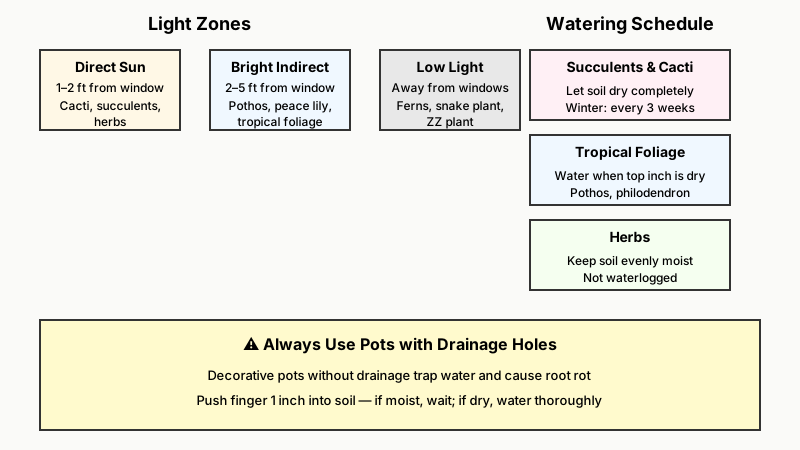
- Direct sun: Within 1–2 feet of an unobstructed south- or west-facing window. Good for cacti, most succulents, and herbs like rosemary and basil.
- Bright indirect light: 2–5 feet from a sunny window, or beside a north-facing window with a reflective wall. This is the sweet spot for pothos, peace lilies, and most tropical foliage plants.
- Low light: Deeper into the room, away from windows. Ferns, snake plants (Sansevieria), and ZZ plants (Zamioculcas zamiifolia) genuinely tolerate this — but no plant truly thrives in near-darkness.
A phone light meter app (such as Lux Meter) can give you a rough reading in foot-candles if you want numbers rather than guesses.

2. Water Less Than You Think
Overwatering kills more houseplants than underwatering does. The fix is simple: water by soil condition, not by schedule.
Push your finger about an inch into the soil. If it feels dry at that depth, water thoroughly until it drains from the bottom. If it still feels moist, wait another day or two and check again. The goal is to mimic natural wet-dry cycles, not to keep soil perpetually damp.
A few specific guidelines:
- Succulents and cacti: Let the soil dry out completely between waterings. In a cool room in winter, this might mean watering only once every three weeks.
- Tropical foliage plants: Water when the top inch is dry. Pothos, philodendrons, and monsteras all prefer this rhythm.
- Herbs: These need more consistent moisture but still hate waterlogged roots. Keep soil evenly moist, not wet.
Always use pots with drainage holes. Decorative cachepots without holes look nice but trap water and invite root rot.
3. Understand Soil — It’s Not Just Dirt
Generic all-purpose potting mix works fine for most tropical houseplants, but it’s wrong for a significant number of popular plants. Succulents and cacti need a gritty, fast-draining mix — you can buy cactus-specific blends or amend standard potting soil with about 50% perlite. Orchids need bark-based media, not soil at all. African violets prefer a lightweight, peat-free mix.
One practical trick: repot newly purchased plants. Garden centers often sell plants in very dense, peat-heavy mixes that retain too much moisture for home conditions. Moving a new plant into a better-matched substrate within a few weeks of bringing it home dramatically improves long-term survival rates.
Avoid garden soil entirely. It compacts indoors, drains poorly, and can introduce pests.
4. Feed Plants — But Not Too Much
Indoor plants need nutrients because unlike garden beds, potted soil gets depleted. But over-fertilizing is a common beginner mistake that causes leaf burn and salt buildup.
A balanced liquid fertilizer (look for an NPK ratio like 10-10-10 or 20-20-20) diluted to half strength works well for most foliage plants during their active growing period — typically spring through early autumn. In winter, when most plants slow down, stop fertilizing almost entirely.
For flowering plants, a formula slightly higher in phosphorus (the middle number) encourages blooms. Slow-release granular fertilizers are a low-maintenance alternative — you apply them every few months and forget about them.
Never fertilize a plant that’s stressed, wilting, or freshly repotted. Feed only healthy, actively growing plants.

5. Temperature and Humidity Matter More Than Most Guides Admit
Most houseplants are tropical in origin. They do well in the same temperature range humans prefer — roughly 60–80°F (15–27°C). What trips people up is placing plants near drafts: cold air from windows in winter, or hot, dry air from heating vents. Both cause leaf drop and browning tips surprisingly fast.
Humidity is the less obvious factor. Centrally heated homes in winter can drop to 20–30% relative humidity. Tropical plants prefer 50–60%. Signs of humidity stress include brown, crispy leaf edges (not yellowing, which is usually a watering or root issue).
Fixes that actually work:
- Group plants together — they create a small humid microclimate around each other.
- Place pots on trays filled with pebbles and water. As the water evaporates, it raises local humidity.
- Use a small humidifier near your plant collection in winter.
Misting is frequently recommended but rarely effective — the moisture evaporates within minutes and can promote fungal spots on some leaves.
For a deeper look at how seasonal shifts stress your plants, How to Care for Houseplants in Winter: Why January Kills Your Plants explains why the coldest months are often the deadliest.
6. Choose Starter Plants That Forgive Mistakes
Not all plants are equally forgiving. For beginners, choosing resilient species buys time to develop your instincts before you tackle fussier varieties.
Reliable beginner picks:
- Pothos (Epipremnum aureum): Tolerates low light, irregular watering, and neglect. Trails attractively from shelves.
- Snake plant (Dracaena trifasciata, formerly Sansevieria): Nearly indestructible. Prefers to dry out completely between waterings.
- Spider plant (Chlorophytum comosum): Adaptable and fast-growing. Produces cascading offshoots you can propagate and share.
- Peace lily (Spathiphyllum): One of the few flowering plants that tolerates low light. Will dramatically wilt when thirsty but bounces back quickly.
- ZZ plant: Stores water in thick rhizomes, making it incredibly drought-tolerant.
Avoid starting with fiddle-leaf figs, gardenias, or maidenhair ferns — beautiful plants, but genuinely difficult and punishing to beginners.
If you’re still deciding what to grow next, Best Houseplants for Beginners: 12 Picks That Actually Survive rounds up options that tolerate a beginner’s learning curve.
7. Pest Prevention Beats Pest Treatment
Once fungus gnats, spider mites, or scale insects establish themselves indoors, they’re tedious to eliminate. Prevention is dramatically easier.
Inspect before you bring anything home. Turn leaves over, check the soil surface, look in stem joints. A healthy plant at purchase time is your best defense.
Quarantine new plants for two weeks in a separate room before adding them to your collection. This prevents a single infested plant from contaminating everything else.
If pests do appear:
- Fungus gnats (tiny flies hovering over soil): Let the soil dry more aggressively between waterings — the larvae live in moist substrate. Yellow sticky traps catch adults.
- Spider mites (fine webbing on undersides of leaves): Wipe leaves with a damp cloth and treat with neem oil or insecticidal soap.
- Mealybugs (white cottony clusters in stem joints): Dab individual bugs with a cotton swab dipped in rubbing alcohol.
Neem oil is a broad-spectrum organic option that works for most soft-bodied pests when applied consistently every 7–10 days.

8. Learn to Read What Your Plant Is Telling You
Plants communicate through their leaves. Learning to diagnose problems early prevents small issues from becoming fatal ones.
| Symptom | Likely Cause |
|---|---|
| Yellow lower leaves | Overwatering or normal aging |
| Brown, crispy leaf tips | Low humidity or excess fertilizer |
| Pale, washed-out color | Too much direct sun |
| Leggy, stretched stems | Insufficient light |
| Wilting despite moist soil | Root rot — roots can’t deliver water |
| Sudden leaf drop | Temperature shock or cold draft |
When multiple symptoms appear together, check roots first. Healthy roots are white or light tan and firm. Brown, mushy roots indicate rot. If you catch it early — trim the damaged roots, let them air dry, and repot into fresh well-draining mix — the plant can often recover.
9. Give Plants Room to Grow (Repotting Basics)
A pot-bound plant — one whose roots have filled the container and have nowhere to grow — stalls. You’ll see roots emerging from drainage holes, or the plant drying out much faster than usual despite no change in conditions.
Repot into a container only 1–2 inches larger in diameter than the current one. Going too large at once encourages root rot because the excess soil stays wet without roots to absorb the moisture.
Spring is the ideal repotting season because plants are entering their active growth phase and recover quickly. But if a plant is visibly pot-bound or struggling, don’t wait for the “right” season.
10. Build Consistency Over Perfection
The last tip is the most practical: indoor gardening improves with observation, not anxiety. Walk past your plants daily, glance at the soil, notice new growth or any changes. You’ll develop a feel for when each plant needs attention — and that intuition comes faster than most beginners expect.
Keep a simple note on your phone for each plant: what it is, where it came from, when you last watered, any issues you’ve noticed. It sounds tedious, but a few notes save you from repeating the same mistakes in the same spot.
Start with three to five plants. Get comfortable with those before expanding. Indoor gardening has a learning curve, but it’s shallow — most people find that after a single growing season, the basics become second nature.
Quick-Start Checklist
Before you buy your first plant:
- Assess your actual light conditions
- Choose a species that matches those conditions
- Get a pot with drainage holes
- Use the right substrate for that species
- Have a balanced liquid fertilizer ready for spring
- Know the warning signs of overwatering
Indoor gardening rarely fails because of bad luck. It fails because of mismatched conditions — the wrong plant in the wrong light, the wrong watering rhythm, the wrong soil. Fix those variables and most plants will do the rest themselves.