Beginner Guide to Meal Planning: Start By Auditing Your Week

Meal planning sounds deceptively simple — decide what you’ll eat, buy the ingredients, cook it. But anyone who has stared blankly at a fridge full of unrelated produce on a Wednesday night knows the gap between theory and practice is real. This guide closes that gap with a concrete, step-by-step approach designed for people who have never meal planned before, or who have tried and quietly abandoned it after a few weeks.
The goal isn’t perfection. It’s a system that saves you time, reduces food waste, and makes eating well feel less like a chore.
Why Meal Planning Is Worth the Effort
Before the how, a quick case for the why — because motivation matters when you’re building a new habit.
Money. Unplanned grocery shopping is one of the fastest ways to overspend on food. When you shop without a list, you make impulse decisions, buy more than you need, and often end up ordering takeout anyway because nothing in the fridge fits together. Research from the USDA Economic Research Service consistently shows that households waste between 30–40% of the food supply — much of that waste starts at the individual level, with produce and proteins bought with good intentions but no clear plan.
Time. The daily “what’s for dinner?” question costs more cognitive energy than people realize. Psychologists call this decision fatigue — each small choice chips away at your mental reserves. Settling dinner decisions once a week means every other night you just execute, not deliberate.
Health. Home-cooked meals are, on average, lower in sodium and calories than restaurant or fast-food equivalents. Planning ahead makes it easier to eat in a way that aligns with your personal goals, whether that’s eating more vegetables, managing a dietary restriction, or simply feeling less sluggish.

Step 1: Start With an Honest Audit of Your Week
The most common beginner mistake is planning as if every evening is a calm, open evening. It rarely is.
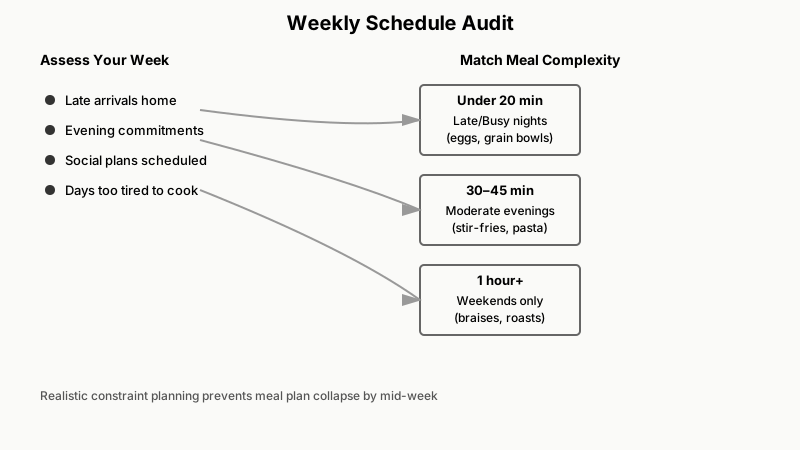
Before you write a single meal down, look at your actual week:
- Which nights do you get home late?
- Are there evenings when kids have activities, or you have commitments?
- Do you have a social dinner or lunch already scheduled?
- Are there days when you’re genuinely too tired to cook from scratch?
Be honest. A meal plan built around realistic constraints will hold up. One built around your aspirational self will collapse by Tuesday.
Practical tip: Assign meal complexity to your schedule. Reserve elaborate recipes for Sundays or free evenings. For late nights, plan something that takes under 20 minutes — eggs and toast, a grain bowl from batch-cooked rice, or a simple pasta.
Step 2: Choose a Planning Window and Stick to It
Most people find a weekly planning cycle works well. Pick a consistent day — many prefer Saturday or Sunday — spend 20–30 minutes planning, then shop once for the week.
A few models that actually work for beginners:
The 5-Day Plan
Plan Monday through Friday. Leave weekends unplanned for flexibility, leftovers, or eating out without guilt. This reduces the scope and makes the habit easier to start.
The Repeating Template
Assign a loose theme to each day: Meatless Monday, Pasta Tuesday, Fish Friday. You don’t decide what specifically to cook until the weekend, but the category narrows your choices significantly. Many experienced planners quietly rely on this more than they admit.
The Batch Cook Model
Cook two or three larger meals on the weekend and remix them through the week. A big pot of lentil soup becomes a weekday lunch. Roasted chicken becomes a salad topping, then a wrap filling. This approach suits people who like cooking on weekends but resent weeknight cooking entirely.
Step 3: Build a Personal Recipe Bank
You don’t need fifty recipes. You need ten to fifteen reliable ones you actually enjoy, distributed across different cooking times and effort levels.
Think in categories:
- Under 20 minutes: Scrambled eggs with vegetables, soba noodles with tahini, quesadillas, canned-fish salads
- 30–45 minutes: Stir-fries, sheet-pan dinners, simple curries, pasta with homemade sauce
- 1 hour+: Braises, roasts, bean stews, casseroles (ideal for weekends with good leftovers)
Start a running list — a notes app, a folded paper in the kitchen, a shared doc with a partner. When a recipe works, it joins the bank. When it fails or you never feel like making it, it leaves.
A personal recipe bank means you’re never starting from scratch. You’re just rotating.

Step 4: Write the Plan (Without Overcomplicating It)
Now you actually sit down and plan. Here’s a simple format that works:
| Day | Dinner | Lunch (next day) | Notes |
|---|---|---|---|
| Monday | Sheet-pan chicken | Leftovers | Early meeting — quick prep |
| Tuesday | Pasta arrabiata | Salad + bread | Buy fresh basil |
| Wednesday | Lentil soup | Soup leftovers | Make double batch |
| Thursday | Stir-fry with tofu | Noodle bowl remix | Use up the bok choy |
| Friday | Takeout or eggs | — | No-cook night |
You don’t need an app for this (though apps like Mealime or Paprika are genuinely useful if you like digital tools). A paper grid works just as well.
Important: Plan lunches and breakfasts only as specifically as you need to. Most people tolerate more repetition at lunch than dinner, and breakfast is often automatic. Don’t over-engineer.
Step 5: Write a Grocery List Organized by Store Section
A good grocery list is organized by how the store is laid out — produce together, proteins together, pantry items together. Random lists mean backtracking and forgetting things.
Standard sections to organize by:
- Produce (fresh vegetables, fruit, herbs)
- Proteins (meat, fish, eggs, tofu)
- Dairy and refrigerated items
- Dry / pantry goods (grains, pasta, canned goods)
- Frozen
- Bread and baked goods
Before you add anything to the list, check what you already have. Beginners consistently over-buy pantry staples. You probably still have half a bag of quinoa from the last time you planned.
Another useful habit: keep a small whiteboard or notepad on the fridge where you note items as they run out. By shopping day, the list is half-written already.
Step 6: Prep Strategically — Not Everything, Just the Right Things
“Meal prep” gets portrayed as spending an entire Sunday afternoon in the kitchen with labeled containers. That’s one approach, and it works well for some people. But it’s not required.
Strategic prep means doing the tasks that create the most time savings during the week:
- Wash and chop produce the day you buy it. Raw vegetables sitting unprepped in the fridge get used; whole, uncut vegetables often don’t.
- Cook a batch of grains. Cooked rice, quinoa, or farro keeps in the fridge for 4–5 days and slides into almost any meal.
- Pre-marinate proteins. Ten minutes on Sunday means better flavor and one less task on a weeknight.
- Cook one “anchor” meal in full. A big soup, stew, or roast that covers at least two dinners or provides several lunches.
The goal isn’t a perfect grid of identical containers. It’s removing the friction points that cause you to abandon the plan mid-week.

If you want to take prep a step further, Batch Cook & Freeze Proteins: A Weekly Meal Prep Guide shows you how to stock your freezer with ready-to-use proteins for future weeks.
Step 7: Review, Adjust, and Build Your System Over Time
After your first two or three weeks, pause and review:
- Which meals did you actually make?
- Which ones did you skip and why?
- What did you throw away?
- Were there nights where the plan felt too ambitious?
This isn’t self-criticism. It’s data. The goal is to calibrate: make the plan slightly more realistic, add the recipes that worked to your permanent bank, and drop the ones you kept pushing back.
Over time, the planning process gets faster because you’re working with known quantities — your preferences, your schedule, your household’s appetite. What takes 30 minutes in week one often takes 10 minutes by month three.
Once your weekly rhythm feels solid, How to Meal Plan a Full Month Without Repetition can help you scale the same principles up to a full month of varied meals.
Common Beginner Mistakes to Avoid
Planning too many new recipes at once. Trying three brand-new dishes in one week means three times the cognitive load and three chances for something to go wrong. Start with one new recipe per week maximum.
Forgetting about breakfast and snacks. If you plan dinner beautifully but arrive home starving because you had nothing prepped to snack on, you’ll order pizza before dinner even starts. Snacks and breakfasts don’t need detailed plans, but they do need accessible options.
Rigid plans with no flexibility. Life happens. Build in at least one “flex night” — a night where the plan is “use whatever needs eating” or “leftovers or a simple fallback.” Flex nights prevent the feeling that you’ve failed the plan when something comes up.
Buying specialty ingredients for one recipe. If a recipe calls for a niche ingredient you’ll use once, either substitute something you already have or pick a different recipe. Specialty ingredients accumulate, take up pantry space, and go unused.
A Simple First-Week Template
If you want to start immediately, here’s a low-effort first week:
- Monday: Sheet-pan roasted vegetables and chicken thighs
- Tuesday: Pasta with jarred tomato sauce, sautéed greens on the side
- Wednesday: Fried rice using Monday’s leftover rice (cook extra on purpose)
- Thursday: Lentil soup (make a big pot, freeze half)
- Friday: Flex night — eggs, toast, and whatever’s in the fridge
- Weekend: No plan, shop for next week
All five meals use ingredients that overlap. The chicken and grains from Monday appear later in the week. Nothing is technically difficult, and the total active cooking time across the week is probably under three hours.
Closing Thoughts
Meal planning isn’t a lifestyle overhaul. At its core it’s a ten-minute weekly decision that prevents a hundred smaller, worse decisions throughout the week. The first plan you write will be imperfect. That’s expected and fine.
Start smaller than you think you need to. Plan three dinners instead of seven. Use your existing recipes before searching for new ones. Buy less than you think you’ll need. The habit matters more than the ambition.
Once the rhythm is there, you’ll find that the Sunday planning session becomes something you actually look forward to — a small act of taking care of future-you that genuinely pays off.