Wrinkle-Free Duvet Covers: No Iron Needed
Why Duvet Cover Fabric Wrinkles (and Why It Matters)
Duvet covers wrinkle because fabric fibers compress and lock into creases when they dry under tension — either folded in the dryer, crammed into a linen closet, or slept on without being smoothed. The problem is most obvious with 100% cotton and linen, both of which have low elasticity; polyester and microfiber blends resist creasing because the synthetic fibers spring back more readily. Knowing your fabric tells you which method below will work fastest.
The Dryer Bounce-Back Method
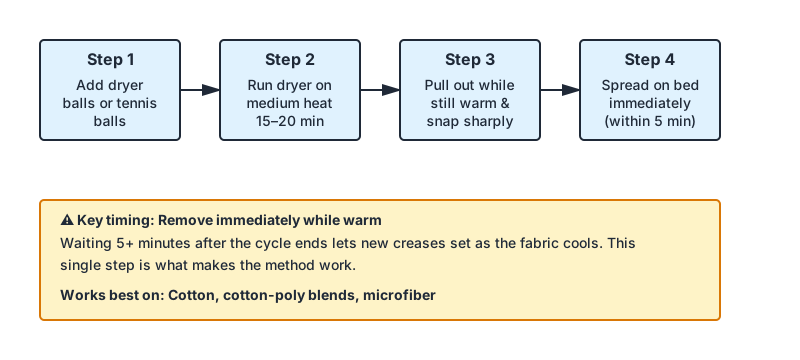
Toss the duvet cover back into the dryer on a medium heat setting with two or three dryer balls — or, if you don’t have those, a couple of clean tennis balls or a dry bath towel. Run it for 15–20 minutes. The tumbling action pulls the fibers in opposing directions and releases the locked creases without any pressing. Pull the cover out promptly while it is still warm and give it a firm snap (hold two corners and flick it sharply) before spreading it on the bed. Waiting even five minutes after the cycle ends lets new creases set as the fabric cools.
Why it works on most fabrics: Cotton, cotton-poly blends, and microfiber all respond well. Linen softens but may need a second cycle; silk and delicate embroidered covers should skip this method and use the steam approach below.
Mistake to avoid: Overdrying. Running the dryer longer than needed bakes creases in rather than releasing them, and repeated high-heat cycles can gradually weaken cotton fibers.
Steaming Without a Steamer
You don’t need a garment steamer to dewrinkle fabric with steam — your shower does the job.
- Hang the duvet cover on a hanger or over the shower rod, spread as flat and wide as possible.
- Run the shower on its hottest setting with the bathroom door and window closed.
- Leave for 10–15 minutes. The steam saturates the fabric and relaxes the fiber structure.
- Remove the cover while still slightly damp and pull it gently taut in all directions. Smooth any stubborn folds with the flat of your hand.
- Let it finish air-drying in a warm, ventilated room before putting it on the duvet.
The main trade-off is time and humidity: a small bathroom saturates quickly, but a large open bathroom may not build enough steam to work. Close every gap you can.
For linen: Linen relaxes beautifully with steam. A second steam pass on the seam areas — which wrinkle more deeply — usually finishes the job.
Spray Bottle and Tension
This is the fastest low-effort option when the cover is already on the bed. Fill a clean spray bottle with plain cool water. Mist the wrinkled area from about 20–30 cm (8–12 inches) away until the fabric is lightly damp — not soaking. Then smooth the section firmly with your palms, pulling the fabric toward the corners and tucking the edges tight under the mattress to hold tension while it dries. In a warm room, most wrinkles are gone within 20–30 minutes.
Variation — wrinkle-release spray: A commercial fabric-relaxing spray adds a small amount of surfactant that helps fibers slide past each other, which can speed drying and leave slightly crisper results than plain water. The difference matters most on stiff high-thread-count cotton; on polyester, plain water performs just as well.
Limits: This method works on surface creases but not on deep fold lines from prolonged storage. For those, the dryer or steam method is more effective.
The Damp-Dry Timing Trick
The single highest-leverage habit for wrinkle prevention is removing the cover from the dryer or washing line before it is fully dry — when it is roughly 80–90% dry and still slightly cool-damp to the touch. At that point the fibers are still pliable. Spread it straight onto the duvet, smooth it corner to corner, and let it finish drying in place. This one step eliminates most wrinkles before they form and takes no extra time.
If line-drying outside, give the cover a vigorous shake as you hang it and smooth the fabric flat before pegging. Hang by the open end so the body of the cover hangs freely rather than folding at the base.
Storing Duvet Covers to Prevent New Wrinkles
How you fold and store the cover between washes determines how badly it needs attention next time.
- Roll, don’t fold: Rolling the cover loosely rather than stacking flat folds reduces the number of sharp crease points dramatically.
- Store inside a pillowcase: Folding the whole set inside one matching pillowcase compresses the bundle but keeps the folds gentle and rounded.
- Avoid overstuffing the linen cupboard: Pressure is what locks creases in. A cover stored with breathing room wrinkles far less than one jammed between towels.
If you’re overhauling your linen routine, our guide How to Make Your Bedroom More Relaxing: 12 Practical Changes offers more ideas for turning your bedroom into a calmer, tidier space.
Which Method Suits Which Fabric?
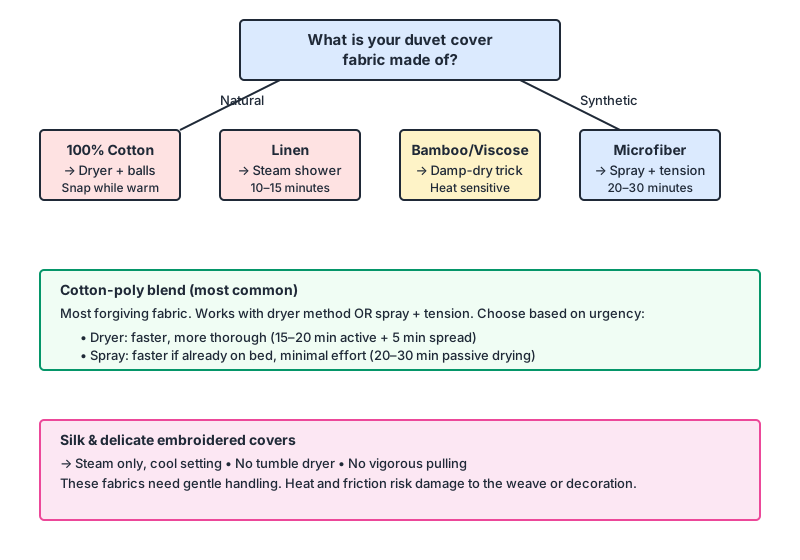
| Fabric | Best method | Notes |
|---|---|---|
| 100% cotton | Dryer + dryer balls | Snap out immediately while warm |
| Cotton-poly blend | Dryer or spray + tension | Very forgiving; most methods work |
| Microfiber | Spray + tension | Low heat dryer also fine |
| Linen | Steam (shower) | Responds slowly but results are excellent |
| Bamboo/viscose | Damp-dry timing trick | Sensitive to heat; avoid hot dryer |
| Silk or delicate | Steam only, cool setting | No dryer; no vigorous pulling |
Frequently Asked Questions
Does wrinkle-release spray damage fabric?
Most commercial wrinkle-release sprays are formulated to be fabric-safe and wash out fully, but check the label if your cover has special finishes (water-resistant treatments, embroidery, or printed designs). Plain water is always the safest option and works nearly as well on most fabrics.
Why does my duvet cover wrinkle so badly after washing?
The most common cause is letting the cover sit in the drum after the cycle ends. Wet fabric under its own weight sets creases within minutes. A second common cause is washing too full a load — a bunched-up cover wrinkles more than one given room to move. Washing alone (separate from the insert) helps significantly.
Can I use a hair dryer instead of a clothes dryer?
Yes, with care. Hold the hair dryer 10–15 cm from the fabric on a low or medium heat setting and keep it moving. Lightly mist the area first with water. It is slower than a tumble dryer but works well on small sections of an already-made bed. Avoid holding it still — concentrated heat can scorch or distort synthetic fabrics.
How long does the shower steam method take?
Typically 10–20 minutes for the steaming phase, plus 20–40 minutes of air-drying afterward. Budget about an hour total. The process is hands-off, so the effort is minimal even if the clock time is not.
Will an anti-wrinkle fabric spray make my duvet cover smell?
Good-quality wrinkle sprays are fragrance-neutral or lightly scented and the scent fades as the fabric dries. If scent sensitivity is a concern, a plain water mist performs the mechanical function without any additives.