Simple One Pot Pasta Recipes: 10 Fast, Fuss-Free Dinners

One pot pasta sounds too good to be true the first time you hear about it — dump everything in, cook it together, serve it straight from the pan. But it genuinely works, and once you understand why, you can improvise endlessly without a recipe.
The technique relies on cooking pasta directly in a small, flavourful liquid rather than a large pot of boiling water. The starch released from the noodles thickens the liquid into a glossy, sauce-like consistency that clings to every strand. You get deep flavour, fewer dishes, and dinner on the table in under 30 minutes.
Below you’ll find ten recipes that actually deliver on that promise — no tricks, no specialty ingredients, and no advanced knife skills required.

Why One Pot Pasta Works (and When It Doesn’t)
Before diving into the recipes, it’s worth understanding the method so you can troubleshoot on the fly.
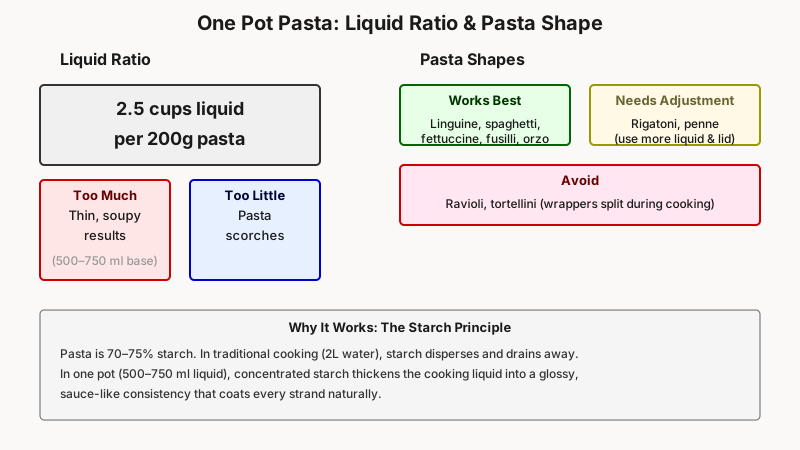
The science in plain terms: Pasta is roughly 70–75% starch. As it cooks, starch granules absorb water and swell. In a standard pot with two litres of water, that starch disperses harmlessly — you drain it away. In a one pot method with just 500–750 ml of liquid, the starch stays concentrated, thickening the cooking liquid into something that behaves like a light sauce.
What to watch: Liquid ratios matter more here than in traditional pasta cooking. Too much liquid and you end up with thin, soupy results. Too little and the pasta scorches before it’s cooked. As a starting rule, use roughly 2.5 cups of liquid for every 200 g (7 oz) of dried pasta, then adjust.
Where it falls short: Stuffed pastas like ravioli and tortellini don’t suit this method — the wrappers tend to split. Very thick shapes like rigatoni or penne take longer to absorb liquid evenly, so they work better with slightly more liquid and a lid. Linguine, spaghetti, fettuccine, and short shapes like fusilli or orzo are your best bets.
If you want the sauce to coat the noodles rather than pool at the bottom of the bowl, How to Cook Pasta So the Sauce Actually Clings explains the starchy-water trick that makes it happen.
10 Simple One Pot Pasta Recipes
1. Tomato Basil Pasta with Garlic
This is the gateway recipe — the one that convinces skeptics. Add spaghetti, crushed tinned tomatoes, sliced garlic, olive oil, salt, and vegetable stock to a wide pan. Bring to a boil, then reduce to a lively simmer, stirring every couple of minutes. After 10–12 minutes the pasta is al dente and the sauce has thickened naturally. Finish with torn basil and a handful of Parmesan.
The garlic infuses the entire dish rather than just sitting in the sauce, which gives it a softer, more integrated flavour than a separately made tomato sauce.
2. Creamy Garlic Parmesan Pasta
Melt butter in a deep skillet. Add minced garlic (four or five cloves — don’t be shy), then pour in chicken stock and whole milk in roughly a 2:1 ratio. Add linguine, a pinch of nutmeg, salt, and black pepper. Simmer uncovered, turning the pasta with tongs frequently, until most of the liquid is absorbed. Off the heat, stir in a large handful of finely grated Parmesan. The residual heat melts the cheese into a silky coating without breaking it.
If the sauce tightens too much as it sits, a splash of the pasta cooking liquid (you can reserve a small cup before it all absorbs) loosens it instantly.
3. Sausage and Fennel Pasta
Brown sliced Italian sausage in the pot first, remove it briefly, then build the dish in the rendered fat — this adds flavour that no amount of stock will replicate. Add fennel seeds, chilli flakes, diced onion, white wine, tinned tomatoes, and enough stock to cook short pasta like penne or rigatoni. Return the sausage. Simmer with the lid on for 15 minutes, stirring a few times. Finish with fresh parsley.
4. Lemon Ricotta Pasta
Light, fast, and genuinely elegant for a weeknight. Cook linguine in a mix of vegetable stock and water seasoned with salt and lemon zest. When the pasta is just cooked and most liquid absorbed, remove from heat and stir in whole-milk ricotta, more lemon zest, a squeeze of juice, black pepper, and a drizzle of good olive oil. The ricotta melts into a creamy, slightly tangy coating. Serve with fresh mint or basil and extra lemon on the side.
5. Chicken and Spinach Pasta
Cut boneless chicken thighs into bite-sized pieces and sear them directly in the pot before adding anything else. Set aside, then cook diced onion, garlic, and a spoonful of tomato paste in the same pan. Add stock, a tin of white beans (optional but excellent), fusilli, and the chicken back in. The chicken finishes cooking as the pasta absorbs the liquid. Stir in two big handfuls of baby spinach at the end — it wilts in about 30 seconds from residual heat.

6. Orzo Primavera
Orzo is the ideal one pot pasta shape — it behaves more like risotto than pasta, creating a creamy, spoonable texture with minimal effort. Sweat a shallot and garlic in butter, then add orzo and toast it briefly (this adds a faint nuttiness). Pour in warm vegetable stock in stages, stirring often, similar to a loose risotto technique. Once nearly tender, stir in frozen peas, asparagus tips, lemon zest, and a handful of Parmesan. Season well. It comes together in about 20 minutes.
7. Pasta e Fagioli (Pasta and Bean Soup)
This is Italian peasant food at its best — hearty, cheap, and impossible to mess up. Sweat onion, carrot, celery, and rosemary in olive oil. Add drained canned borlotti or cannellini beans, crushing a quarter of them with a spoon against the side of the pot to thicken the base. Pour in stock, add a Parmesan rind if you have one, and let it simmer 10 minutes. Add short pasta (ditalini is traditional, small macaroni works fine) and cook until just tender. Season aggressively with salt, pepper, and a thread of good olive oil to finish.
8. Spicy Arrabbiata Penne
Some one pot pastas are subtle. This one is not. Heat olive oil in a wide pot, add a generous pinch of dried chilli flakes and three or four smashed garlic cloves, and let them sizzle for a minute without burning. Add crushed tinned tomatoes, a pinch of sugar to balance acidity, stock, salt, and penne. Cover and cook on a steady simmer, stirring occasionally, until the pasta is tender and the sauce clings. Finish with fresh parsley. No cheese — traditional arrabbiata doesn’t need it.
9. Mushroom and Thyme Pasta
Dried mushrooms are a shortcut worth keeping in the pantry. Soak a handful of dried porcini in hot water for 10 minutes, then use the soaking liquid (strained to remove grit) as part of your cooking liquid. It tastes almost impossibly rich. Sauté fresh sliced mushrooms — cremini, chestnut, or shiitake — in butter until golden, then add the porcini, soaking liquid, stock, thyme, garlic, and fettuccine. Finish with crème fraîche and Parmesan. This one tastes like it took effort.
10. Tuna and Caper Pasta
A pantry pasta that comes together in under 15 minutes. No pre-cooking required. Add drained oil-packed tuna, capers, halved cherry tomatoes, sliced olives, garlic, vegetable stock, olive oil, and linguine to a wide pan. Simmer, stirring, until the pasta is cooked and most liquid absorbed. Finish with a squeeze of lemon and fresh parsley. The tuna breaks apart into flakes that coat every strand. Briny, bright, and satisfying.

Tips That Make Every One Pot Pasta Better
Use a wide, shallow pan. A 28–30 cm (11–12 inch) skillet or braiser gives pasta more surface area to cook evenly. A narrow, tall pot traps pasta in a clump at the bottom.
Season the liquid properly. One pot pasta cooking liquid becomes the sauce. If it tastes bland going in, the dish will taste bland at the end. A well-seasoned stock and a measured amount of salt before adding the pasta makes a real difference.
Stir more than you think necessary. Without the agitation of a rolling boil, pasta can stick. A stir every two to three minutes prevents clumping, especially for long shapes like spaghetti.
Finish off the heat. Cheese, cream, and fresh herbs go in after you’ve pulled the pan from the burner. High heat can cause cheese to seize into rubbery clumps and fresh herbs to lose their brightness.
Taste before you serve. Because so little liquid is used, the salt concentration changes as the pasta absorbs it. Taste at the end and adjust — sometimes a little more salt or a squeeze of lemon is all the dish needs.
Reserve a cup of cooking liquid before it fully absorbs. This starchy liquid is liquid gold for thinning a sauce that tightens as it cools. Keep a cup to the side until you’ve plated and tasted.
For more ways to build flavor beyond these one pot shortcuts, Homemade Pasta Sauce: 7 Recipes & Pro Techniques is a great next stop.
Storage and Reheating
One pot pasta reheats reasonably well but benefits from a splash of water or stock when warming in a pan over low heat. The starch-thickened sauce can set quite firmly in the fridge — this is normal. A gentle reheat with added liquid brings it back to a saucy consistency within a few minutes. Avoid the microwave for sauces containing cream or ricotta, as high heat tends to split them.
Most of these recipes keep for two to three days in a sealed container in the fridge. They don’t freeze well — pasta texture degrades significantly once frozen and thawed.
A Note on Adapting Recipes
Once you’re comfortable with the technique, substitutions are straightforward. Swap vegetable stock for chicken or beef stock depending on what you have. Replace spinach with kale (add it a few minutes earlier — kale needs more heat to soften). Use whatever canned bean you have on hand in place of a specific variety. Swap the protein freely: shrimp cooks faster than chicken (add it in the last three to four minutes), while sausage benefits from being browned first.
The ratio to keep in mind: 200 g pasta, 600–750 ml liquid, medium heat, 10–15 minutes of active cooking. Everything else is improvisation.
Conclusion
One pot pasta is less of a recipe category and more of a technique — one that scales up or down easily, tolerates substitutions generously, and produces results that rival more labour-intensive cooking. The ten recipes above cover a range of flavour profiles, from light and lemony to deeply savoury and spicy, so there’s no week where you’d run out of ideas.
Start with the tomato basil version to get a feel for liquid ratios and timing, then branch out. Within a few tries, you’ll be inventing your own variations without thinking twice.