Natural Cleaning Solutions for Bathroom Tiles: 7 Recipes That Work

Bathroom tiles collect soap scum, hard water stains, and mildew faster than almost any other surface in the home. Commercial cleaners handle the job, but they often come with harsh fumes, aggressive chemicals, and a recurring cost that adds up quickly. The good news: a few pantry staples — vinegar, baking soda, castile soap — outperform many store-bought products on tile and grout, without the chemical load.
This guide covers seven tested natural cleaning recipes, explains why each ingredient works, and flags a few combinations you should never mix.
Why Natural Cleaners Are Genuinely Effective on Tiles
Tile grime breaks down into a few predictable categories: soap scum (fatty acid residue), hard water deposits (calcium and magnesium minerals), and mildew (living fungal growth). Each responds to a different chemistry.
- Acidic cleaners (white vinegar, citric acid) dissolve mineral deposits and soap scum by reacting with alkaline calcium carbonate.
- Alkaline cleaners (baking soda, washing soda) cut through grease and organic stains.
- Surfactants (castile soap, dish soap) lift and suspend particles so you can rinse them away.
- Antimicrobials (tea tree oil, hydrogen peroxide) kill mold and mildew at a cellular level.
Using the right chemistry for the right stain is the key difference between a solution that works and one that just smells nice.
One important caution before you start: White vinegar and other acids are not safe on natural stone tiles — marble, travertine, limestone, or unsealed slate. The acid etches the surface permanently. The recipes below are written for ceramic and porcelain tile, which are far more forgiving. If you have natural stone, skip to the baking-soda-and-castile-soap recipes and use pH-neutral cleaners exclusively.

7 Natural Tile Cleaning Recipes
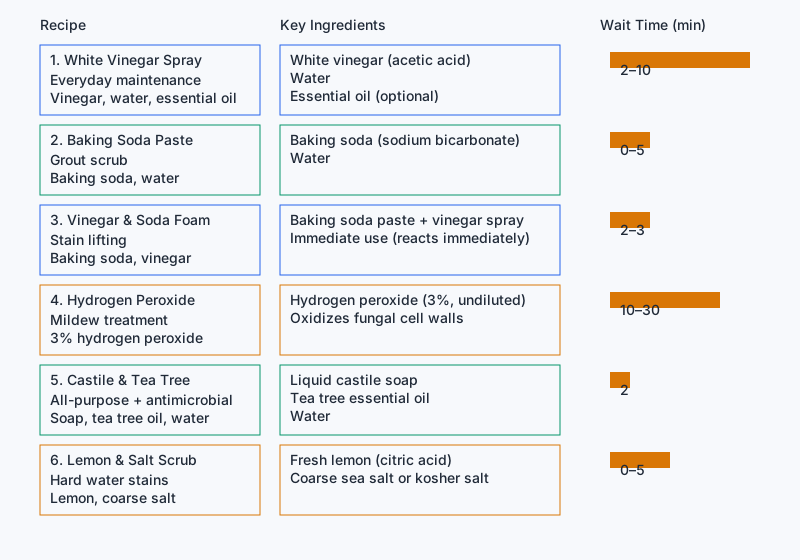
1. Basic White Vinegar Spray (Everyday Maintenance)
This is the simplest starting point for routine cleaning of ceramic or porcelain tiles.
What you need:
- 1 cup white distilled vinegar (5% acidity)
- 1 cup water
- 10 drops of essential oil (optional — lemon or eucalyptus work well)
How to use it: Combine in a spray bottle, shake gently, and mist across tile surfaces. Leave for two to five minutes, then wipe with a microfiber cloth. For dried soap scum, let it sit for ten minutes before wiping.
White vinegar’s acetic acid (typically 4–8% in food-grade versions) reacts with calcium-based deposits and softens the bond between soap scum and the tile glaze. It evaporates cleanly and leaves no residue.
2. Baking Soda Paste (Grout Scrub)
Grout lines are porous and trap pigment-producing mold and dirt fast. A thick paste gives you the mechanical abrasion and mild alkalinity to lift staining without scratching tile.
What you need:
- 3 tablespoons baking soda
- 1 tablespoon water (add more to reach a thick toothpaste consistency)
How to use it: Apply the paste directly to grout lines with an old toothbrush or a stiff-bristled grout brush. Scrub in a circular motion for 30 to 60 seconds per section, then rinse with warm water. For stubborn staining, leave the paste for five minutes before scrubbing.
Baking soda (sodium bicarbonate) is mildly abrasive at roughly 2.5 on the Mohs hardness scale — soft enough not to scratch glazed tile but coarse enough to dislodge surface grime physically.
If your grout needs more targeted attention than a paste alone can provide, How to Clean Grout Between Tiles: Matching Grime Level To Method breaks down which method to use based on how dirty your lines actually are.
3. Vinegar + Baking Soda Foam (Stain Lifting Combo)
You’ve probably seen this one on social media — the dramatic fizzing looks satisfying. The foam does provide a useful mechanical lift, but understand what’s actually happening: the two ingredients partially neutralize each other. The fizzing is carbon dioxide release, not cleaning power itself. What’s left is a weak sodium acetate solution.
That said, the bubbling action genuinely helps loosen debris in grout lines.
How to use it: Apply baking soda paste to the tile or grout first. Then spray or drizzle white vinegar over it. Let the foam settle for two to three minutes, then scrub with a brush and rinse. Use immediately — don’t store this mixture, as there’s nothing left to preserve once the reaction completes.
4. Hydrogen Peroxide Mildew Treatment
For visible mildew growth on grout or tile caulk, 3% hydrogen peroxide (standard drugstore concentration) is one of the most effective natural options available.
What you need:
- 3% hydrogen peroxide solution (undiluted)
- A spray bottle
How to use it: Spray directly onto mildewed areas. Leave for at least ten minutes — longer for heavier growth, up to 30 minutes. Scrub with a stiff brush and rinse thoroughly. Repeat weekly in high-humidity bathrooms until the mildew is fully eliminated.
Hydrogen peroxide works by releasing reactive oxygen species that oxidize fungal cell walls. Studies on surface disinfection confirm it effective against Candida and common household molds when given adequate contact time.

5. Castile Soap and Tea Tree Oil Spray (All-Purpose + Antimicrobial)
This recipe is the one to reach for in bathrooms used by people with respiratory sensitivities to vinegar fumes.
What you need:
- 2 cups water
- 1 tablespoon liquid castile soap (unscented or lightly scented)
- 15 drops tea tree essential oil
How to use it: Combine in a spray bottle. Shake before each use (oil and water separate). Spray, let sit for two minutes, and wipe down. Rinse with water after if you prefer a streak-free finish.
Tea tree oil (Melaleuca alternifolia) contains terpinen-4-ol, a compound with documented antimicrobial properties. Research published in peer-reviewed journals has confirmed its activity against several mold species at low concentrations. Castile soap acts as the surfactant, keeping the oil dispersed in water.
Note: If you source castile soap or tea tree oil through Amazon or similar retailers, some products carry affiliate arrangements — purchase directly from brands like Dr. Bronner’s if you want to avoid that entirely.
6. Lemon and Salt Scrub (Hard Water Stains)
For tough hard water rings around fixtures and tile edges near the tub spout, lemon juice combined with coarse salt creates an effective targeted scrub.
What you need:
- Half a fresh lemon
- 1–2 tablespoons coarse sea salt or kosher salt
How to use it: Sprinkle salt onto the stained area, then use the cut lemon face-down to scrub, squeezing slightly as you go. The citric acid dissolves mineral deposits; the salt provides abrasion. Leave for five minutes on stubborn spots, then rinse. Do not use on natural stone.
Citric acid has a pKa of around 3.1, making it a stronger acid than acetic acid in vinegar (pKa ~4.7), which is why it often outperforms vinegar on heavy calcium deposits.
7. Washing Soda Deep Clean (Heavily Soiled Tiles)
Washing soda (sodium carbonate) is more alkaline than baking soda and cuts through body oil, soap buildup, and hard-to-shift grime more aggressively.
What you need:
- 1 tablespoon washing soda
- 2 cups warm water
- A few drops of dish soap
How to use it: Dissolve the washing soda in warm water. Add dish soap and stir. Apply with a sponge or cloth, scrub, and rinse thoroughly. Wear gloves — washing soda can irritate skin with extended contact. Rinse tile surfaces well, since washing soda leaves a dull film if not fully removed.
Washing soda has a pH of around 11–12. It’s particularly effective as a monthly deep clean rather than a weekly cleaner, since the alkalinity can degrade grout sealant over time with very frequent use.
Combinations to Avoid — and Why
A few natural cleaning ingredients become harmful when mixed:
- Vinegar + hydrogen peroxide in the same bottle: Mixing these creates peracetic acid, which is corrosive and irritating to mucous membranes. You can use them sequentially (apply one, rinse, then apply the other), but never combine them in advance.
- Vinegar + castile soap: The acid in vinegar curdles castile soap, turning it into an oily, insoluble mess that’s harder to clean up than what you started with.
- Bleach + anything else: If you’re adding bleach to a natural cleaning routine (it isn’t natural, but sometimes people reach for it), never mix it with vinegar, ammonia-based cleaners, or hydrogen peroxide.
- Any acid on natural stone: Reiterated here because it’s worth saying twice. Marble etches visibly after a single application of vinegar or lemon juice.

Tips for Long-Term Tile Maintenance
The best cleaning routine is one that prevents heavy buildup in the first place:
Ventilation matters most. Mildew thrives in bathrooms with poor airflow. Running an exhaust fan during and for 20 minutes after every shower dramatically reduces mold-favorable humidity. If your bathroom doesn’t have a fan, cracking a window achieves a similar effect.
Wipe tiles after showering. It takes about 90 seconds with a squeegee or microfiber cloth to remove water film from tile walls. This single habit reduces hard water deposits and soap scum more than any cleaning product.
Seal your grout. Unsealed grout is porous and absorbs staining compounds on contact. A silicone-based grout sealer, reapplied every one to two years, creates a barrier that makes cleaning dramatically easier.
Match the cleaner to the stain. Acid-based cleaners for mineral deposits and soap scum; alkaline or surfactant-based cleaners for grease and organic residue; hydrogen peroxide or tea tree for mold. Using the right tool for each job saves time and effort.
Test new recipes in a hidden area first — especially on tiles you’re unsure about. A small spot on a tile behind the toilet is a good test zone before treating an entire shower wall.
For a more complete strategy against moisture and spores beyond the tiles themselves, How to Keep a Bathroom Free of Mold: Cut Humidity, Stop Spores explains how to tackle the humidity that causes many of these stains in the first place.
Putting It Together: A Simple Weekly Routine
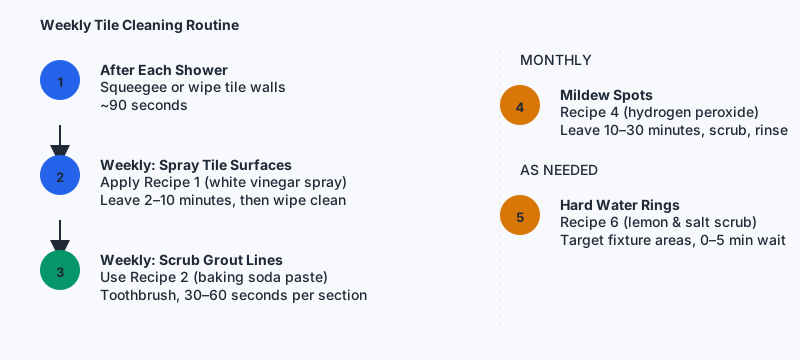
You don’t need all seven recipes in constant rotation. A straightforward weekly routine looks like this:
- After each shower: Squeegee or wipe down tile walls.
- Weekly: Spray basic vinegar solution (Recipe 1) on tile surfaces, wipe clean.
- Weekly: Scrub grout lines with baking soda paste (Recipe 2) using a toothbrush.
- Monthly: Apply hydrogen peroxide to any emerging mildew spots (Recipe 4).
- As needed: Use the lemon and salt scrub (Recipe 6) on hard water rings near fixtures.
This layered approach keeps tiles clean without heavy scrubbing sessions and significantly reduces the time spent on bathroom maintenance overall. Natural cleaners work — they just require consistency more than intensity.