Deep Clean Your Bathroom Without Harsh Chemicals

If your bathroom looks clean but still smells a bit off, or if you’ve noticed a pink film creeping up the grout lines, a surface wipe-down isn’t cutting it. A proper deep clean gets into the places a weekly spray-and-wipe misses — and you don’t need anything with a skull-and-crossbones label to do it.
The following approach uses ingredients you likely already own, works on most bathroom surfaces, and leaves nothing behind that you’d worry about a child or pet encountering.
What You’ll Need Before You Start
Gather these before you touch a single surface. Switching between products mid-clean wastes time and leads to missed spots.
Natural cleaning agents:
- White distilled vinegar (5% acidity)
- Baking soda (sodium bicarbonate)
- Castile soap (unscented or lightly scented)
- Hydrogen peroxide (3% — standard drugstore strength)
- Lemon juice (fresh or bottled)
Tools:
- Old toothbrush or grout brush
- Microfiber cloths (several — you’ll go through them)
- A spray bottle
- A stiff-bristled toilet brush
- A squeegee
- Rubber gloves
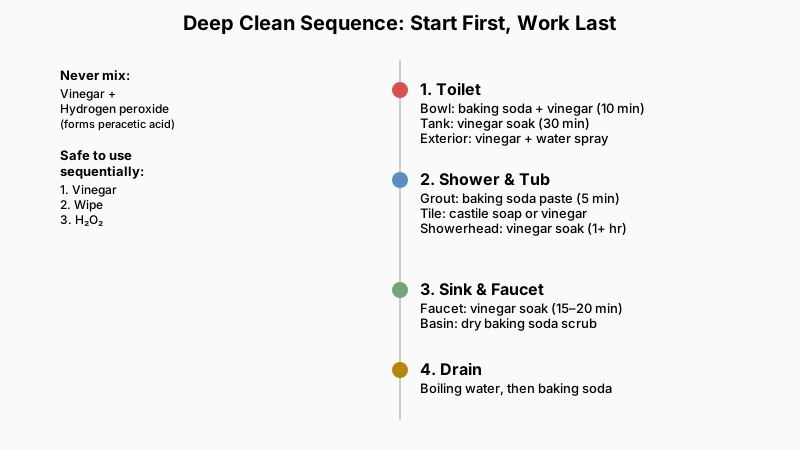
One important note: never mix vinegar and hydrogen peroxide in the same bottle. Used sequentially on a surface (spray one, let it work, wipe, then apply the other) they’re effective and safe. Combined in a single container, they form peracetic acid, which is irritating to skin and airways.

Room-by-Room — Surface by Surface
Toilet: From Tank to Bowl
Start with the toilet because it’s the most contaminated surface and you want to give solutions time to work while you tackle other areas.
The bowl: Pour half a cup of baking soda directly into the bowl, follow immediately with half a cup of white vinegar. The fizz loosens mineral deposits and mild staining. Let it sit for at least 10 minutes, then scrub with the toilet brush — paying particular attention to the underside of the rim, where most bacteria accumulate. Flush.
For stubborn hard water rings that won’t budge, a pumice stone (kept wet the entire time) is safe on porcelain and far more effective than bleach for mineral scale.
The tank: Lift the lid. If you see rust-colored deposits or slime, add one cup of white vinegar and let it sit for 30 minutes before flushing a few times. This is one of the most neglected spots in a bathroom deep clean.
Exterior surfaces: Spray a mix of equal parts vinegar and water onto the tank, lid, seat (both sides), hinges, and base. Wipe with a microfiber cloth. For the hinge area and the gap between the seat and bowl, use the old toothbrush.
Shower and Tub
Grout lines: Make a paste of two parts baking soda to one part castile soap. Apply it along grout lines with the grout brush, scrub in small circles, and let it sit for five minutes before rinsing. For stained or discolored grout, apply hydrogen peroxide (3%) directly with a dropper or spray bottle after rinsing the paste away. It will foam slightly on organic material — that’s it working. Rinse after 10 minutes.
Tile and acrylic surfaces: A few drops of castile soap in warm water, applied with a microfiber cloth, handles most soap scum. For heavier buildup, spray straight white vinegar, wait five minutes, then scrub. Note: do not use vinegar on natural stone tiles (marble, travertine, limestone). The acid etches the surface. Use a pH-neutral castile soap solution instead.
Showerhead: Mineral buildup reduces water pressure noticeably over time. Fill a zip-lock bag with white vinegar, submerge the showerhead in it (or pour vinegar into the bag and tie it over the showerhead with a rubber band), and leave it for at least an hour — overnight if the buildup is significant. The acetic acid dissolves calcium and magnesium deposits efficiently. Remove the bag, run hot water for two minutes, and the flow should improve markedly.
Glass doors: After removing soap scum with vinegar, a squeegee used consistently after every shower is the single best preventive measure. A few drops of lemon juice polished in with a dry microfiber cloth leave glass streak-free and briefly hydrophobic.

Sink, Faucet, and Drain
Faucet and handles: Mineral scale clusters around faucet bases and spouts. Soak a paper towel or cloth in white vinegar, wrap it around the affected area, and leave for 15–20 minutes. The deposits wipe away cleanly. Dry and buff with a dry cloth to prevent new water spots.
Sink basin: A baking soda scrub (applied dry, then rubbed in with a damp cloth) is mildly abrasive enough to remove soap scum and staining without scratching porcelain or ceramic. Rinse thoroughly.
Drain: This is where smells often originate. Pour boiling water down the drain first to soften grease buildup. Then add half a cup of baking soda, followed by half a cup of vinegar. Cover the drain immediately with a cloth or stopper — the pressure of the fizz pushes the reaction downward rather than up and out. Wait 15 minutes, then flush with more hot water. For persistent odors, this process once a month keeps drains smelling neutral.
For sluggish drains that need more than a wipe-down, check out How to Unclog a Drain Naturally: Baking Soda Beats Harsh Chemicals for a natural way to clear the buildup.
Mirrors and Glass
Most commercial glass cleaners rely on ammonia. You won’t miss it. Combine two tablespoons of white vinegar with a cup of water in a spray bottle, spray onto the mirror, and wipe in an S-pattern (top to bottom) with a dry microfiber cloth. Circular wiping just redistributes residue.
If there’s heavy toothpaste spray or water spots, a small amount of rubbing alcohol on the cloth first cuts through them before the vinegar spray goes on.
Floors and Grout
Sweep or vacuum first — mopping over dry debris just smears it. Mix half a cup of white vinegar into a bucket of hot water with a few drops of castile soap. Mop in sections, working backward toward the door. Rinse the mop frequently.
For floor grout, which takes far more foot traffic than wall grout, the baking soda paste and brush method works best. Apply it along lines, scrub, let sit, then rinse. The result won’t look brand new if the grout has absorbed years of pigment, but it will be sanitary and noticeably cleaner.
If your grout lines need extra attention, our deep dive How to Clean Grout Between Tiles: Matching Grime Level To Method shows how baking soda can lift stains that bleach struggles with.
Ventilation and Hidden Spots Most People Forget
A bathroom that smells musty despite being visually clean usually has one of two problems: the exhaust fan or the caulk.
Exhaust fan: Dust accumulates on fan grilles and inside the housing, and a clogged fan means humidity lingers — which feeds mold. Remove the grille cover, wash it in soapy water, and vacuum dust from the fan blades with a brush attachment. Do this every three to six months.
Caulk: Old silicone or latex caulk around the tub, shower base, and sink is porous once it deteriorates and harbors mold that no amount of surface cleaning will reach. If the caulk is black or pulling away from the surface, the only real fix is removal and reapplication — not more scrubbing. A caulk removal tool (around $5–10) makes the job straightforward. Apply new silicone caulk, smooth it with a wet finger, and let it cure for 24 hours before exposing it to water.
Shower curtain and liner: Fabric curtains go in the washing machine with a cup of white vinegar and a few old towels (the towels provide agitation). Wash on a gentle cycle, air dry. Plastic liners can be scrubbed with baking soda paste in the tub, then rinsed.
Toothbrush holder and soap dish: These harbor standing water and soap residue — a reliable mold habitat. Soak in a solution of warm water and a tablespoon of hydrogen peroxide for 10 minutes, scrub with the toothbrush, rinse, and dry completely before returning to use.

Making It Last: Habits That Reduce Deep Cleaning Frequency
A proper deep clean once a month is far more manageable if daily habits slow the buildup:
- Squeegee the shower after every use. This single habit cuts soap scum and mold growth dramatically.
- Leave the exhaust fan running for 20 minutes after showering. Most people turn it off too soon; humidity peaks in the 10–15 minutes after you leave.
- Keep a small spray bottle of diluted castile soap on the sink edge for daily wipe-downs.
- Air out towels rather than leaving them folded — damp folded towels smell sour within two days.
- Check and reseal grout annually with a penetrating grout sealer. This prevents staining and reduces how aggressively you need to scrub.
A Word on Effectiveness vs. Disinfection
Natural cleaners remove soil, mineral deposits, soap scum, and most surface bacteria effectively. White vinegar at 5% acidity has demonstrated antimicrobial properties in laboratory settings, as does hydrogen peroxide at 3%. However, neither achieves hospital-grade disinfection against all pathogens.
For a household bathroom used by healthy adults, this is not a meaningful limitation. If someone in your home is immunocompromised, has had a confirmed gastrointestinal illness, or if you’re dealing with a visible mold colony larger than about 10 square centimeters, a registered disinfectant may be warranted for that situation. The Environmental Protection Agency maintains a list of registered disinfectants (List N and others) for reference.
The goal of a non-toxic deep clean isn’t to claim parity with bleach in every scenario — it’s to get a genuinely clean bathroom without filling the space with fumes, residue, or the risk of accidental chemical burns, for the 99% of situations where that level of intervention isn’t necessary.
Conclusion
Deep cleaning a bathroom without harsh chemicals isn’t a compromise — it’s just a different toolkit. Vinegar handles mineral scale. Baking soda provides gentle abrasion and odor neutralization. Hydrogen peroxide tackles mold and biological staining. Castile soap handles grease and everyday grime. Used systematically, in the right order, on the right surfaces, they cover everything a bathroom deep clean actually requires.
The sequence matters: start with the toilet, work to the shower and tub, move to the sink, then finish with mirrors and floors. Let solutions dwell — that’s where the chemistry actually happens, not in the scrubbing. And fix the structural problems (old caulk, clogged exhaust fans) that cleaning alone can’t address.
Done consistently, this approach keeps the bathroom genuinely clean without anything you’d be concerned about breathing, touching, or washing down the drain.