Easy Stir Fry Recipes for Beginners: 7 Simple Starters

Stir frying is one of the most rewarding techniques a home cook can pick up. The results look impressive, dinner is on the table in under 20 minutes, and once you understand the basic method, every vegetable and protein in your fridge becomes fair game. The barrier to entry is lower than most people think — you don’t need a wok burner, a culinary school background, or a dozen specialty sauces. You need heat, oil, and a sense of timing.
This guide walks through the core method, the pantry staples worth stocking, and seven beginner-friendly stir fry recipes that actually teach you something at each step.
The Method Behind Every Good Stir Fry
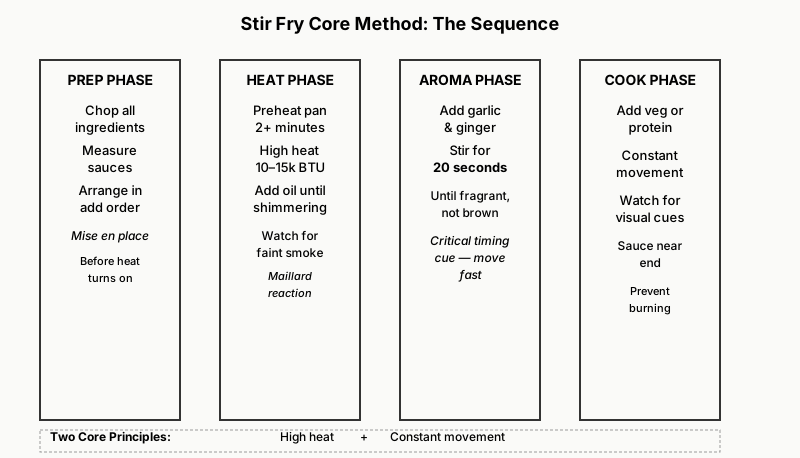
Before any recipe, it helps to understand what’s actually happening in the pan. Stir frying works on two principles: very high heat and constant movement. High heat creates the Maillard reaction — that slightly charred, savory edge — while constant movement prevents burning. Miss either one and you end up with steamed, soggy vegetables instead of crisp, flavourful ones.
Prep Everything Before You Turn on the Heat
This is the single biggest beginner mistake: cutting vegetables mid-cook. Once the oil hits the wok, things move fast. Chop all your ingredients, measure your sauces, and have them arranged in the order you’ll add them. Chefs call this mise en place; in stir frying, it’s not optional.
Choose the Right Pan
A carbon steel wok is ideal because it heats quickly and unevenly in a way that creates hot spots perfect for searing. A large cast iron skillet or a heavy stainless steel pan works fine too. Avoid non-stick pans for stir frying if you can — the coating degrades at the high temperatures involved, and they don’t develop the same fond.
The Heat Question
Cranking your burner to maximum is standard advice, but on a home stove that maxes out around 10,000–15,000 BTUs (versus a restaurant wok burner at 150,000+ BTUs), you need to compensate. Work in smaller batches so the pan temperature doesn’t drop, and let the pan preheat for at least two minutes before adding oil.

Pantry Staples to Stock First
You don’t need to buy everything at once, but these form the backbone of most Asian-style stir fry sauces:
- Soy sauce (low-sodium gives you more control over saltiness)
- Sesame oil (use as a finishing oil, not for cooking — it burns fast)
- Oyster sauce (adds depth and a faint sweetness; fish sauce is a reasonable substitute)
- Rice vinegar (a small splash brightens any sauce)
- Cornstarch (thickens sauces and helps proteins brown better)
- Garlic and fresh ginger (the aromatic foundation of most stir fries)
- Neutral cooking oil with a high smoke point: avocado oil, refined peanut oil, or vegetable oil
With just soy sauce, sesame oil, garlic, and a little cornstarch, you can make a respectable stir fry sauce in two minutes. Everything else is a refinement.
Knowing when to add each of them — and how to fix a dish that tastes flat — is a separate skill from stocking the shelf. How to Season a Stir Fry Properly covers the sauce ratios and the seasoning order in detail. The recipes below give you the ratios already worked out.
7 Easy Stir Fry Recipes for Beginners
1. Garlic Bok Choy Stir Fry
Why start here: Bok choy is forgiving — it wilts evenly and signals when it’s done visually. This is a pure technique exercise.
Ingredients: 2 heads baby bok choy, 3 cloves garlic (minced), 1 tbsp soy sauce, 1 tsp sesame oil, 1 tbsp vegetable oil, pinch of red chilli flakes.
Method: Heat the wok until you see a faint wisp of smoke. Add vegetable oil and swirl to coat. Add garlic and chilli flakes — stir for 20 seconds until fragrant but not brown. Add bok choy cut-side down, press lightly, and leave for 60 seconds. Toss, add soy sauce, toss again for 30 seconds. Remove from heat and drizzle with sesame oil. Total cook time: under 4 minutes.
What you’ll learn: The smell of garlic going from raw to fragrant is your first critical timing cue. That 20-second window teaches you to move fast.
2. Egg and Scallion Stir Fry
Why try this: Eggs are cheap, and scrambled-style stir fried eggs over rice is a weeknight staple across much of East and Southeast Asia. Simple doesn’t mean boring.
Ingredients: 4 eggs (beaten), 3 scallions (cut into 1-inch pieces), 2 tsp soy sauce, 1 tbsp vegetable oil, white pepper.
Method: Heat oil until shimmering. Pour in eggs — don’t touch them for 10 seconds so the bottom sets. Scramble gently with a spatula, pulling from the edges. When 80% cooked, add scallions and soy sauce, fold together. Remove while still slightly soft; residual heat finishes them. Serve over steamed rice.
What you’ll learn: Carry-over cooking. If you wait until the eggs look done in the pan, they’ll be overdone on the plate.
3. Chicken and Broccoli Stir Fry
Why try this: This is probably the most searched stir fry combination for a reason — it’s balanced, high in protein, and the sauce is a master template you can reuse forever.
Ingredients: 300g (about 10 oz) boneless chicken breast or thigh, thinly sliced; 2 cups broccoli florets; 3 garlic cloves (minced); 1 tsp grated ginger; 2 tbsp soy sauce; 1 tbsp oyster sauce; 1 tsp sesame oil; 1 tsp cornstarch mixed with 2 tbsp water.
Tip — velvet the chicken: Toss sliced chicken with 1 tsp cornstarch and 1 tsp soy sauce before cooking. This coats the surface and locks in moisture, producing silkier meat. It’s a technique borrowed from Chinese restaurant cooking and it takes 30 seconds of prep.
Method: Blanch broccoli in boiling water for 90 seconds, drain. Heat wok, add oil, cook chicken in a single layer for 90 seconds without stirring, then flip and cook another 60 seconds. Remove chicken. In the same wok, sauté garlic and ginger for 20 seconds. Add broccoli, return chicken. Add soy sauce, oyster sauce, and the cornstarch slurry. Toss until the sauce thickens and coats everything — about 60 seconds. Finish with sesame oil.
What you’ll learn: Batching. Cooking the chicken separately before combining everything means your protein actually sears rather than steams in a crowded pan.

4. Tofu and Snap Pea Stir Fry
Why try this: A solid vegetarian option that also teaches you the essential skill of pressing and searing tofu correctly.
Ingredients: 400g firm tofu, 1.5 cups snap peas, 2 tbsp soy sauce, 1 tbsp hoisin sauce, 1 tsp rice vinegar, 2 garlic cloves (minced), vegetable oil.
Key step — press the tofu: Wrap the tofu block in a clean towel, place something heavy on it (a cast iron pan works well) for 15 minutes. This drives out water, which is the enemy of a good sear. Cut into 1-inch cubes and toss with a little cornstarch.
Method: Heat a generous amount of oil (more than you think) until very hot. Add tofu in a single layer — resist the urge to move it for 2 minutes. Flip each piece. When golden, remove. Sauté garlic, add snap peas and toss for 90 seconds. Return tofu, add sauce ingredients, toss to coat. Done.
What you’ll learn: Patience. Tofu will stick if you try to move it before a crust forms. Trust the process.
5. Beef and Bell Pepper Stir Fry
Why try this: Bell peppers caramelize beautifully at high heat and add natural sweetness that balances savory beef.
Ingredients: 250g (9 oz) flank steak or sirloin, thinly sliced against the grain; 2 bell peppers (any color, sliced); 1 onion (sliced); 2 tbsp soy sauce; 1 tbsp oyster sauce; 1 tsp sugar; 1 tsp cornstarch; 2 garlic cloves.
Slice against the grain: Look at the muscle fibers running through the steak — cut perpendicular to them. This shortens the fibers and dramatically changes the tenderness of each bite. Slice thin (about 3mm) for quick cooking.
Method: Marinate beef in soy sauce, cornstarch, and a splash of water for 10 minutes. Heat wok to maximum. Sear beef in batches (crucial — don’t crowd the pan), about 60-90 seconds total. Remove. Sauté garlic, then peppers and onion for 2 minutes. Return beef, add remaining sauce, toss for 30 seconds.
What you’ll learn: Slicing technique changes texture. The marinade principle — even a short one — makes a real difference with lean cuts.
6. Shrimp and Zucchini Stir Fry
Why try this: Shrimp cook in literally 2 minutes, making this the fastest protein option. Zucchini (courgette) is widely available and mild enough to work with almost any sauce.
Ingredients: 300g peeled, deveined shrimp; 2 medium zucchini (sliced into half-moons); 3 garlic cloves; 1 tsp grated ginger; 2 tbsp soy sauce; 1 tsp fish sauce; 1 tsp sesame oil; pinch of chilli flakes.
Method: Dry shrimp thoroughly with paper towels — moisture is the enemy of browning. Heat wok with oil, cook shrimp 60 seconds per side until pink and just curled into a loose C shape (an O means overcooked). Remove. Sauté garlic and ginger, add zucchini, cook 2 minutes. Return shrimp, add sauces, toss, finish with sesame oil.
What you’ll learn: Shrimp overcook faster than any common protein. A tight C-shape curl is your visual cue for done. This precision practice transfers to everything else.
7. Fried Rice Stir Fry
Why try this: Fried rice is technically a stir fry, and it’s the best use case for day-old leftovers. It also teaches you to work with multiple components simultaneously.
Ingredients: 2 cups cooked, day-old rice (cold — this is essential); 2 eggs; 1 cup mixed vegetables (frozen peas, carrots, corn); 3 tbsp soy sauce; 1 tsp sesame oil; 2 garlic cloves; 2 scallions.
Why cold rice? Fresh rice is too moist and steams in the pan. Rice that’s been refrigerated overnight loses surface moisture and fries crisply. If you need to use fresh rice, spread it on a tray and refrigerate for at least 2 hours.
Method: Heat oil until very hot. Add garlic, then cold rice — press it down and let it sit for 60 seconds to crisp the bottom layer. Toss, repeat once. Push rice to the side, scramble eggs in the empty space. Mix eggs through the rice. Add vegetables, soy sauce, toss thoroughly for 2 minutes. Top with sesame oil and scallions.
What you’ll learn: Managing a multi-component dish and the satisfying sound of rice popping against a screaming hot wok.

Common Beginner Mistakes (and Quick Fixes)
Crowding the pan — the most common issue. When too much food hits the pan at once, the temperature drops and everything steams. Cook in two batches if needed.
Using cold protein straight from the fridge — cold meat drops your pan temperature fast. Pull it out 15 minutes before cooking.
Skipping the preheat — add oil to a cold wok and you’re frying in slowly warming oil. The wok should be hot before the oil goes in.
Adding sauce too early — sauce has liquid in it. Add it too early and you drop your pan temperature before the proteins and vegetables have finished cooking. Add it last, when everything else is nearly done.
Over-saucing — start with less than you think you need. You can always add more; you can’t take it away.
Putting It All Together
The progression through these seven recipes isn’t accidental. Start with garlic bok choy to learn heat timing. Move to eggs to learn carry-over cooking. Then tackle chicken and broccoli for batching and sauce-making. Each recipe reinforces a principle that carries into the next one.
After you’ve made each dish twice, you’ll notice you’re no longer reading the recipe — you’re improvising with whatever’s in the fridge, adjusting seasoning by taste, and eyeballing the cornstarch slurry. That’s when stir frying becomes genuinely useful rather than just a guided exercise.
The fundamentals are few: hot pan, dry ingredients, small batches, sauce at the end. Master those four things and you have a cooking technique that will serve you reliably for years.