How to Make a Breakfast Burrito: Skip The Soggy Wrap

A great breakfast burrito isn’t complicated, but it does require a bit of thought. The difference between a soggy, forgettable wrap and one that holds together, stays hot, and tastes genuinely satisfying comes down to a handful of technique decisions — the right tortilla, the order you build the layers, how you cook the eggs. Get those right, and you have a portable, protein-packed breakfast that beats anything from a drive-through.
This guide walks through every step, from choosing ingredients to wrapping the thing so it doesn’t fall apart.
Choosing Your Ingredients
If you’re assembling burrito ingredients with cost in mind, Healthy Breakfast Ideas on a Budget: Skip The Café Markup offers plenty of smart swaps that keep the whole spread affordable.
The Tortilla
Start here, because everything else goes inside it. A standard 10-inch (burrito-size) flour tortilla is the right call for most versions — it’s pliable, seals cleanly, and won’t tear when you fold it under pressure. Corn tortillas are too small and too brittle for this purpose.
Warm the tortilla before you fill it. A dry skillet over medium-high heat for 20–30 seconds per side works perfectly. A cold tortilla cracks along the fold and makes wrapping miserable.
Whole wheat and spinach tortillas work fine as swaps and add a mild flavor of their own. Low-carb tortillas are thinner and more prone to tearing — handle them gently.
Eggs
Scrambled eggs are the default, and they should be soft. Overcooked scrambled eggs turn rubbery, releasing liquid that soaks through your tortilla before you’ve even taken a bite. Pull them off the heat while they still look slightly underdone — residual heat finishes the job.
For richer eggs: a tablespoon of butter in the pan and low heat the whole way through. For leaner eggs: a quick spray of oil and medium heat, stirring constantly. Both approaches work; what matters is not overcooking.
Protein
Classic options:
- Breakfast sausage — crumbled pork sausage browned in the same skillet you’ll use for everything else. The fond left behind flavors the eggs.
- Bacon — cook separately and crumble in. Adds crunch and smokiness.
- Chorizo — Mexican-style fresh chorizo (not the cured Spanish kind) breaks down into a spiced, oily base that seasons everything around it.
- Black beans — a solid plant-based alternative. Season them with cumin, garlic, and a little lime juice so they’re not bland.
- Leftover protein — shredded rotisserie chicken, diced ham, even sliced steak works. A breakfast burrito is a great vehicle for fridge odds and ends.
Cheese
Melted cheese acts as a binder, gluing layers together and preventing ingredients from sliding out. Shredded is better than sliced — it melts faster. Monterey Jack, cheddar, and a Mexican blend are all excellent. Add cheese directly onto the hot eggs so it starts melting before you assemble.
Vegetables and Extras
Diced onion and bell pepper, sautéed until soft, are the traditional backbone. A small amount of jalapeño adds heat without overwhelming. Hash browns or home fries make the burrito more substantial — cook them until genuinely crispy, because they’ll soften once wrapped.
Avocado or guacamole adds creaminess and healthy fat. Add it last so it doesn’t turn brown from heat.

Step-by-Step: Making the Breakfast Burrito
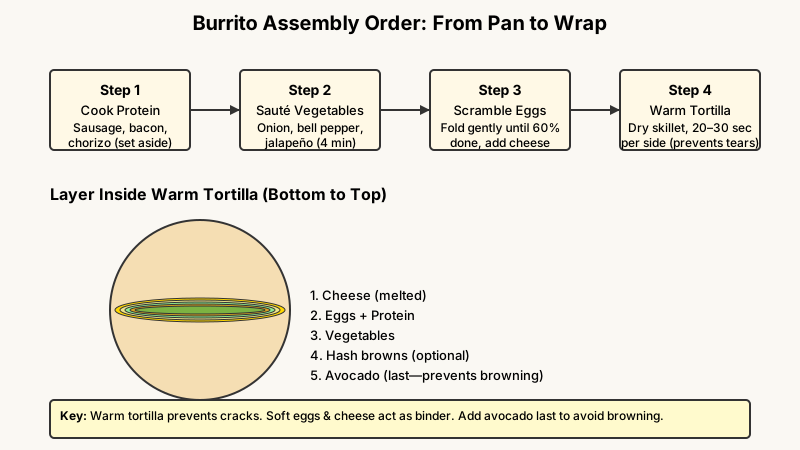
Step 1: Cook Your Protein First
If you’re using raw sausage, chorizo, or bacon, cook it first and set it aside. This does two things: it renders fat into the pan (which you’ll use for everything else) and it’s already cooked by the time you build the burrito.
For sausage or chorizo, cook over medium heat until browned and cooked through — about 5–7 minutes. Drain excess fat if there’s a lot, but leave a thin film in the pan.
Step 2: Sauté the Vegetables
In the same pan, cook diced onion and bell pepper over medium heat until softened, about 4 minutes. Season with salt, pepper, and optionally a pinch of cumin or smoked paprika. Add jalapeño in the last minute.
If you’re including hash browns, cook them in a separate pan or air fryer for best results. You want them crispy, not steamed.
Step 3: Scramble the Eggs
Push the vegetables to the edge of the pan or remove them temporarily. Reduce heat to medium-low. Add butter if needed. Whisk 2–3 eggs per burrito with a pinch of salt, then pour into the pan.
Let them sit for about 10 seconds, then gently fold from the edges toward the center with a spatula. Keep folding, slowly. Remove from heat when they look just barely set — about 60% done. They’ll finish cooking from the residual heat.
Toss your cheese on top immediately and let it melt.
Step 4: Warm the Tortilla
If you haven’t already, warm your tortilla now. A dry skillet, 20–30 seconds per side, until it puffs slightly and smells toasty. You can also wrap several in a damp paper towel and microwave for 30 seconds if you’re making a batch.
Step 5: Build and Wrap
Lay the tortilla flat. Leave a 2-inch border around the edges — do not overfill.
Layer in this order:
- Eggs and cheese (base layer)
- Protein
- Vegetables
- Hash browns (if using)
- Salsa, hot sauce, or sour cream
- Avocado or guacamole
To wrap: fold the left and right sides of the tortilla inward first, pressing them gently against the filling. Then fold the bottom flap up and over the filling, tucking it underneath as you roll forward. Keep tension in the wrap — a loose burrito falls apart.
For a sealed, slightly crispy exterior: place the burrito seam-side down in a dry hot skillet for 30–45 seconds per side. This toasts the outside and seals the seam so it won’t unroll.

Toppings, Sauces, and Variations
Sauces That Work
- Salsa roja — the classic. Bright, acidic, cuts through the richness of egg and cheese.
- Green tomatillo salsa — tangier and lighter, pairs well with chicken or black bean versions.
- Hot sauce — Cholula, Valentina, or Tapatio are all commonly found and genuinely good on eggs.
- Sour cream — adds creaminess; use sparingly or the burrito gets wet.
- Chipotle crema — mix sour cream with a spoonful of chipotle in adobo sauce and a squeeze of lime. Easy to make, excellent.
Regional and Personal Variations
The burrito format is flexible enough to support a lot of directions:
- Southwestern style: green chile, pepper jack cheese, black beans, and corn
- California style: avocado, pico de gallo, and a lighter touch on the cheese
- Tex-Mex style: refried beans spread on the tortilla first (they act as edible glue), seasoned beef or chorizo, and lots of cheese
- Vegetarian: roasted sweet potato, black beans, spinach, and a fried egg in place of scrambled
- High-protein: egg whites, turkey sausage, and cottage cheese mixed into the eggs (adds protein and keeps them moist)
Make-Ahead and Freezing
Breakfast burritos freeze beautifully, making them one of the better meal-prep options for busy mornings.
To freeze: let everything cool completely, assemble without sour cream or fresh avocado (add those when serving), wrap tightly in foil, and freeze. They keep for up to 3 months.
To reheat from frozen: remove the foil, wrap in a damp paper towel, and microwave on high for 2–3 minutes, flipping halfway through. Or thaw overnight in the refrigerator and reheat in a skillet for a crispier result.
Make a batch of 8–10 on a Sunday, and weekday mornings become considerably easier.

For more freezer-friendly meal inspiration beyond breakfast, 15 Easy Weeknight Dinner Recipes Ready in 30 Min is worth a look.
Common Mistakes and How to Fix Them
Soggy tortilla: Almost always caused by wet ingredients — overcooked eggs releasing water, or salsa spread directly on the tortilla. Keep salsa inside the filling, not as a base layer. Cook hash browns until genuinely dry and crispy.
Burrito unrolling: Either overfilled or wrapped with too little tension. Practice the inward-fold-then-roll technique, and seal with a hot skillet.
Rubbery eggs: Cooked too long or at too high a heat. Low and slow, and pull them early.
Bland filling: Season every component separately — eggs need salt, beans need spice, potatoes need crisping. Don’t rely on salsa to do all the flavor work.
Torn tortilla: Cold tortilla, or the wrong size. Warm it, and make sure you’re using a 10-inch flour tortilla.
The Final Wrap
A breakfast burrito done well is satisfying in a way that requires almost no explanation — it’s warm, filling, a little spicy, and genuinely portable. The learning curve is minimal. Once you’ve made a few, you’ll stop measuring and start improvising based on whatever’s in the refrigerator.
Start with the classic: sausage, scrambled egg, cheddar, sautéed onion and pepper, salsa. Master the wrap. Then adjust from there. That’s the whole method.