How to Make Overnight Oats: The Grab-and-Go Breakfast Fix

Overnight oats are one of those rare kitchen wins: minimal effort, maximum payoff, and genuinely good to eat cold from the fridge. If you’ve been skipping breakfast because mornings are chaotic, a jar of overnight oats sitting ready to grab changes that.
This guide covers the exact ratios, the best add-ins, common mistakes, and seven flavor combinations worth trying — from dead-simple to genuinely impressive.
The Core Formula (And Why It Works)
The principle is simple. Rolled oats absorb liquid overnight, softening without any heat. The result is a creamy, pudding-like texture that’s filling, versatile, and stable in the fridge for several days.
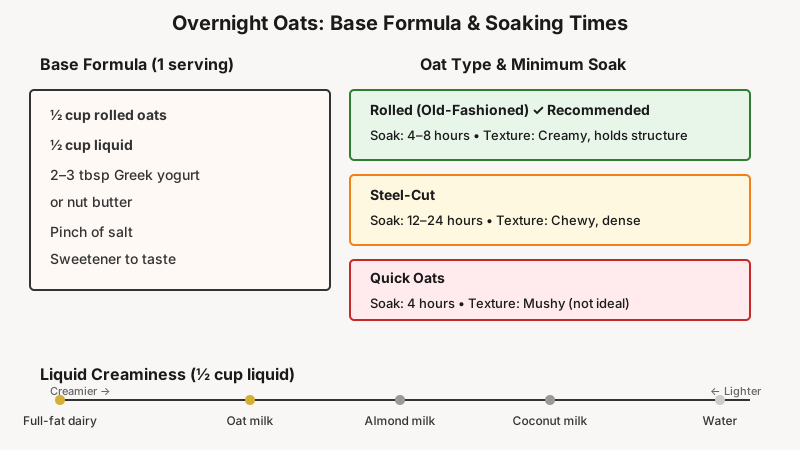
Here’s the base ratio that works reliably:
- 1 part oats (rolled/old-fashioned oats)
- 1 part liquid (milk, plant milk, water, or a mix)
- 2–3 tablespoons of something creamy (Greek yogurt or nut butter, optional but recommended)
- A pinch of salt
- Sweetener to taste (honey, maple syrup, or none at all)
For a single serving, start with ½ cup oats + ½ cup milk. That gives you roughly 300–350 ml of finished oats — a solid breakfast portion.
Choosing the Right Oats
This part matters more than most recipes admit. Rolled oats (also called old-fashioned oats) are the sweet spot — they soften fully overnight but hold enough structure so the texture isn’t gluey.
- Steel-cut oats: Don’t soften enough by morning without a longer soak (at least 12 hours) or a brief cook. If you like a chewier, denser result, soak them 24 hours.
- Quick oats: Absorb liquid fast and turn mushy. Usable in a pinch, but the texture suffers.
- Instant oats: Skip these — they go paste-like almost immediately.
Choosing the Right Liquid
Full-fat dairy milk gives the creamiest result because of its fat and protein content. Oat milk adds a subtle sweetness and a neutral creaminess that works well. Almond milk is thinner, so add an extra tablespoon of yogurt to compensate. Coconut milk (from a can, thinned slightly) is rich and pairs especially well with tropical flavor profiles.
Water works if you prefer a lighter result — just lean into toppings for flavor.

Step-by-Step Method
There’s nothing technical here, but following the sequence makes it cleaner and ensures even distribution.
1. Pick your container. A 500 ml mason jar is the classic choice — wide-mouthed, easy to stir, and it seals properly. A lidded bowl or any airtight container works too.
2. Combine the wet ingredients first. Add your milk, yogurt (if using), sweetener, and any extracts (vanilla, almond) to the jar. Stir them together before adding oats — this distributes flavor evenly rather than having pockets of honey stuck at the bottom.
3. Add the oats and mix. Pour in the oats and stir well. Press down gently so all the oats are submerged in the liquid.
4. Add toppings — strategically. Fresh fruit, granola, and anything crunchy should go on just before eating, not overnight. They’ll go soft or waterlogged if left in. But chia seeds, nut butters swirled through, cocoa powder, and frozen fruit can all go in the night before.
5. Seal and refrigerate for at least 4 hours. Six to eight hours is ideal. Don’t rush it — at four hours the oats are edible but noticeably less creamy than an overnight soak.
6. Stir before eating, then adjust. Oats absorb a lot of liquid and may look thicker than expected. Add a splash of milk and stir — they loosen up immediately. Taste and adjust sweetness.
7. Serve cold or gently warm. Most people eat overnight oats cold, which is the whole point. But if cold breakfasts aren’t for you, microwave the jar (no lid) for 60–90 seconds, stirring halfway.
7 Flavor Combinations to Try
Once you have the base formula down, flavor variations are just a question of what you add.
For mornings when you want something warm and savory instead, How to Make a Breakfast Burrito: Skip The Soggy Wrap is another grab-and-go option worth keeping in rotation.
1. Classic Blueberry Vanilla
- Base: ½ cup oats, ½ cup whole milk, 2 tbsp Greek yogurt
- Add-ins: 1 tsp vanilla extract, 1 tsp honey
- Toppings: Fresh blueberries, a sprinkle of hemp seeds
2. Peanut Butter Banana
- Base: ½ cup oats, ½ cup oat milk, 1 tbsp peanut butter (stirred in)
- Add-ins: ½ mashed ripe banana, pinch of cinnamon
- Toppings: Banana slices, a drizzle of peanut butter
This one is the most filling of the bunch — good choice if you have a long morning ahead.
3. Chocolate Cherry
- Base: ½ cup oats, ½ cup milk, 2 tbsp Greek yogurt
- Add-ins: 1 tbsp cocoa powder, 1 tbsp maple syrup, a handful of frozen cherries
- Toppings: Dark chocolate chips, fresh cherries if in season
4. Apple Pie
- Base: ½ cup oats, ½ cup milk, 1 tbsp almond butter
- Add-ins: ½ tsp cinnamon, ¼ tsp nutmeg, 1 tsp maple syrup
- Toppings: Diced apple, a few toasted walnuts
5. Tropical Coconut Mango
- Base: ½ cup oats, ¼ cup coconut milk (canned, thinned with water), ¼ cup water
- Add-ins: 1 tsp honey, zest of ½ lime
- Toppings: Diced mango, toasted coconut flakes, a squeeze of lime

6. Lemon Ricotta
- Base: ½ cup oats, ½ cup milk, 2 tbsp ricotta
- Add-ins: Zest of ½ lemon, 1 tsp honey, ½ tsp vanilla
- Toppings: Fresh raspberries, a tiny pinch of flaky salt
The ricotta makes this noticeably lighter and fluffier in texture than yogurt-based versions. Worth trying if you find the standard recipe too dense.
7. Tahini Date
- Base: ½ cup oats, ½ cup milk
- Add-ins: 1 tbsp tahini, 2–3 medjool dates (pitted and chopped), pinch of cardamom
- Toppings: A few more date pieces, sesame seeds
This skews more savory-adjacent than the other options and pairs especially well with strong black coffee.
Nutrition, Storage, and Batch-Cooking
What Overnight Oats Actually Give You
Rolled oats are a good source of beta-glucan, a soluble fiber associated with modest reductions in LDL cholesterol and improved satiety according to research published in the American Journal of Clinical Nutrition. They also supply manganese, phosphorus, B vitamins, and a meaningful hit of protein when paired with dairy or Greek yogurt.
A basic serving (½ cup oats, ½ cup whole milk, 2 tbsp Greek yogurt, 1 tsp honey) provides roughly:
- Calories: 320–360
- Protein: 14–18g (higher with Greek yogurt)
- Fiber: 4–5g
- Carbohydrates: 50–55g
Exact numbers vary by milk type and toppings. Apps like Cronometer or MyFitnessPal will give you precise figures if you’re tracking.
How Long Do Overnight Oats Last?
In a sealed container in the refrigerator, overnight oats stay good for up to 5 days. The texture is actually best on days 2 and 3, once the oats have had more time to fully absorb the liquid. Day 5 they’re still edible but notably softer.
Freezing works but changes the texture — oats become quite soft after thawing. Manageable, but not the best experience.
Batch-Cooking for the Week
Make 3–5 jars on Sunday and you’ve handled weekday breakfast entirely. A few tips for batch prep:
- Keep toppings like nuts, granola, and fresh fruit separate until morning
- Use consistent jar sizes so you can grab any jar without rechecking portions
- Label with the flavor or the day — masking tape and a marker is all you need
- If making multiple flavors, do the wet ingredients as a larger batch, then divide into jars and add different mix-ins per jar

Common Mistakes (And How to Fix Them)
Too thick? Add 2–3 tablespoons of milk and stir. Wait 30 seconds and stir again — they loosen faster than you’d expect.
Too watery? You likely used quick oats or over-diluted the liquid. Add a tablespoon of chia seeds and let the jar sit another 20 minutes — chia absorbs excess liquid quickly.
Oats taste bland? Salt is doing more work here than you’d think. Add just a small pinch if you skipped it. Also check your sweetener ratio and add vanilla extract — it makes plain oats taste considerably more complete.
Texture is gluey? You might be over-stirring or using instant oats. Switch to old-fashioned rolled oats and stir only enough to combine.
Fruit turned mushy? Fresh berries and banana break down overnight. Add them in the morning, or use frozen fruit (which holds up better when thawed in the fridge).
If you’re building overnight oats into a regular routine, Healthy Breakfast Ideas on a Budget: Skip The Café Markup offers more ways to keep your morning meals cheap without sacrificing variety.
Conclusion
Overnight oats reward small upfront effort with a breakfast that’s ready exactly when you need it. The core method — oats, liquid, something creamy, sealed overnight — is a platform you can run dozens of variations on without getting bored. Start with the basic blueberry vanilla or peanut butter banana version this week, get the ratios locked in, and then experiment from there. Five minutes of prep the night before turns a skipped breakfast into a proper meal.
Sources
- https://www.ncbi.nlm.nih.gov/pmc/articles/PMC6566984/ (Dietary Fiber, Atherosclerosis, and Cardiovascular Disease — Nutrients, 2019)
- https://www.hsph.harvard.edu/nutritionsource/food-features/oats/ (Harvard T.H. Chan School of Public Health — Oats nutrition overview)
- https://cronometer.com (nutritional tracking reference)
- https://www.bbcgoodfood.com/recipes/collection/overnight-oats-recipes (recipe inspiration context)