Healthy Breakfast Ideas on a Budget: Skip The Café Markup

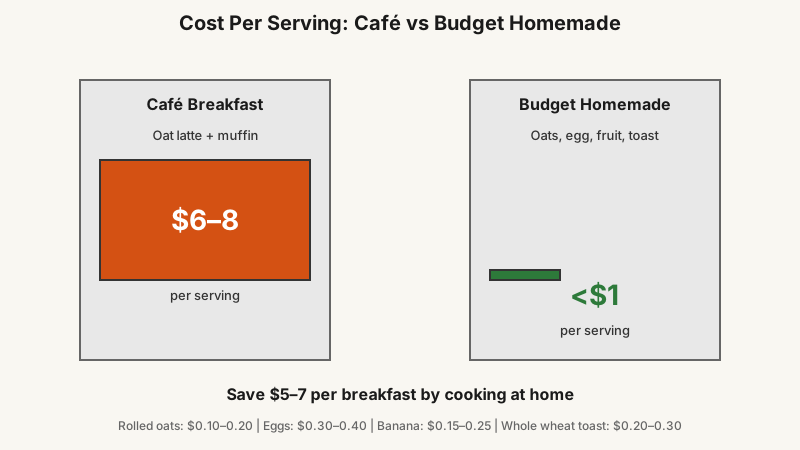
Breakfast has a reputation for being either expensive or boring — sometimes both. The truth is, eating well in the morning doesn’t require a specialty grocery store or a complicated recipe. With a handful of reliable staples, you can build a rotation of satisfying, nutritious meals for a fraction of what a café charges for a single oat latte and a muffin.
This guide focuses on real options: foods that are genuinely affordable, genuinely nutritious, and actually worth eating before 9 a.m.

Why Breakfast Costs More Than It Should
The average household spends a disproportionate share of its food budget on convenience: packaged cereals, granola bars, single-serve yogurts, and drive-through orders. These products carry steep markups for processing and packaging. A name-brand box of cereal, for example, can cost three to five times as much per serving as plain rolled oats — with more sugar and less fiber.
The fix isn’t complicated. Shifting toward whole, minimally processed ingredients almost always drops your cost per meal while improving nutritional quality. The key is knowing which ingredients give you the best return.
The Core Budget Pantry Staples
Before diving into specific ideas, it helps to keep these items stocked. They’re cheap, long-lasting, and endlessly versatile.
- Rolled oats — One of the most cost-effective whole grains available. A large canister costs little and contains dozens of servings.
- Eggs — A complete protein source with vitamins B12 and D. Highly affordable per gram of protein compared to most animal foods.
- Bananas — Typically among the cheapest fruits by weight, and they ripen into natural sweetness without added sugar.
- Frozen fruit — Nutritionally equivalent to fresh, often cheaper, and eliminates spoilage waste.
- Peanut butter or sunflower seed butter — Calorie-dense, protein-rich, and shelf-stable for months.
- Canned beans — Underused at breakfast but packed with fiber, plant protein, and iron.
- Whole wheat bread or tortillas — Versatile, filling, and affordable in bulk packs.
- Greek yogurt (store brand) — Higher protein than regular yogurt; store brands cost significantly less than name brands with similar nutrition.
- Milk (dairy or fortified plant-based) — Useful as a base for oatmeal, smoothies, or egg dishes.
With these items in rotation, every idea below becomes cheap and repeatable.
12 Healthy Budget Breakfast Ideas
1. Overnight Oats
Combine rolled oats with milk or yogurt in a jar the night before, add a banana or a spoonful of frozen berries, and refrigerate. By morning you have a creamy, no-cook meal with a good mix of complex carbohydrates, fiber, and protein. Cost per serving: typically well under a dollar.
Variations are endless — add a pinch of cinnamon, a drizzle of honey, or a tablespoon of chia seeds if your budget allows.
If this quick version has you hooked, our deep dive How to Make Overnight Oats: The Grab-and-Go Breakfast Fix walks through ratios and mix-in ideas for the perfect jar every time.
2. Scrambled Eggs with Vegetables
Two or three eggs scrambled with whatever vegetables you have — spinach, leftover onion, bell pepper scraps — delivers a high-protein, low-cost breakfast that takes under five minutes. Season with salt, black pepper, and a dash of hot sauce if you like heat.
Eggs’ versatility is underrated. The same ingredient becomes a different breakfast depending on whether you scramble, poach, or bake them.
3. Peanut Butter Banana Toast
Whole wheat toast topped with natural peanut butter and sliced banana hits protein, healthy fats, and fast-digesting carbs in one meal. It’s filling enough to last until lunch, requires no cooking, and costs roughly 50–75 cents per serving depending on your local prices.
4. Bean and Egg Breakfast Burrito
Warm canned black beans with a pinch of cumin, scramble an egg, and wrap both in a whole wheat tortilla. This combination is high in fiber and protein, genuinely savory, and easily customizable with salsa or shredded cheese. It’s a legitimate alternative to a fast-food breakfast sandwich at about a fifth of the price.

For tips on folding and searing your wrap so it holds together perfectly, check out How to Make a Breakfast Burrito: Skip The Soggy Wrap.
5. Banana Oat Pancakes (2-Ingredient Base)
Mash one ripe banana with two eggs and cook like small pancakes in a non-stick pan. No flour, no sugar required. The result isn’t identical to a fluffy diner stack, but it’s satisfying and surprisingly good. Add a pinch of cinnamon or vanilla extract to lift the flavor.
6. Greek Yogurt with Granola and Frozen Fruit
Buy store-brand Greek yogurt in a large tub rather than individual cups — cost per serving drops dramatically. Top with a small amount of granola and a handful of thawed frozen berries. You get protein from the yogurt, antioxidants from the fruit, and a bit of crunch from the granola without buying a fancy parfait.
7. Oatmeal with Peanut Butter
Standard stovetop oatmeal is already one of the cheapest breakfasts available. Stir in a tablespoon of peanut butter while it’s still hot and you add healthy fats and extra protein that make the meal genuinely satiating. A sliced banana or a drizzle of maple syrup rounds it out.
8. Savory Oatmeal
If you’re tired of sweet oatmeal, cook oats in low-sodium broth instead of water, top with a fried egg and a pinch of red pepper flakes. It sounds unusual, but it’s popular across several food cultures — a filling, warming bowl that costs cents to make.
9. Egg Muffins (Batch Cooking)
Whisk six eggs with diced vegetables, pour into a greased muffin tin, and bake at 180°C (350°F) for 18–20 minutes. You get 12 portable egg cups that keep in the fridge for up to four days. Grab two on your way out the door. This approach turns a very affordable ingredient into a week’s worth of grab-and-go breakfasts.
10. Whole Grain Cereal with Milk and Fruit
Not all packaged cereals are bad value. Store-brand bran flakes, plain corn flakes, or shredded wheat are low in sugar and reasonably priced. Add a sliced banana or a few strawberries and you have a quick, fiber-rich meal. Avoid the brightly colored, heavily sweetened options — they cost more and deliver less nutrition.
11. Smoothie with Frozen Fruit and Oats
Blend frozen banana, a handful of frozen berries, a half-cup of rolled oats, and milk. Oats blended into a smoothie add thickness and sustained energy without buying protein powder. This is one of the fastest breakfasts on the list and easy to take with you.
12. Avocado Toast (When Avocados Are in Season)
Avocados are budget-friendly only at certain times of year — out of season, the price climbs fast. When they’re cheap at your local market, mashing one onto whole wheat toast with a squeeze of lemon and a pinch of salt is a nutrient-dense breakfast that costs well under a dollar per serving. Add a poached egg on top if you want more protein.

Smart Shopping Habits That Lower Your Bill
The recipes above work best when combined with a few simple shopping habits.
Buy in bulk where it makes sense. Oats, dried beans, rice, and whole grain flour are dramatically cheaper per serving when purchased in larger quantities. If you have storage space, it’s worth it.
Choose store brands. Nutritional differences between store-brand and name-brand rolled oats, Greek yogurt, eggs, and frozen fruit are essentially zero. The price difference is not.
Shop with a list. Impulse buying at the grocery store adds up fast. A breakfast-focused list — eggs, oats, bananas, frozen fruit, yogurt, peanut butter — keeps spending predictable.
Use the freezer strategically. Freeze ripe bananas before they turn; they blend perfectly into smoothies. Batch-cook egg muffins or banana oat pancakes and freeze in portions. Frozen produce is picked and frozen at peak ripeness, so the nutritional profile is comparable to fresh.
Don’t ignore markdown sections. Many grocery stores mark down produce and bread approaching their best-by date. Bananas turning brown are perfect for oatmeal or pancakes. Day-old whole wheat bread is fine for toast.
Nutrition at a Glance: What to Aim For
A solid budget breakfast doesn’t need to hit exact macronutrient targets, but a few principles help:
- Protein keeps you full and reduces mid-morning cravings. Eggs, Greek yogurt, peanut butter, and beans are your cheapest sources.
- Fiber slows digestion and stabilizes blood sugar. Oats, whole grain bread, beans, and fruit all contribute.
- Healthy fats from eggs, peanut butter, or avocado improve satiety and help absorb fat-soluble vitamins.
- Limit added sugar. Flavored yogurts, sweetened oatmeal packets, and most commercial granola bars add sugar without adding much nutrition. The plain versions of the same products are almost always cheaper and better for you.
You don’t need a supplement or a superfood powder. The ingredients listed above cover a wide range of essential nutrients at a cost that makes the habit sustainable.
Making It a Habit Without Getting Bored
Routine is efficient, but eating the same thing every morning gets old fast. A practical approach: pick two or three options from the list above that you genuinely like, and rotate them through the week. Keep a fourth option for days when you have more time.
Batch cooking on Sunday — making egg muffins or portioning overnight oat jars — eliminates the morning decision entirely on busy days. When breakfast is already made, there’s no temptation to skip it or buy something expensive on the way to work.
Small changes in toppings and seasoning also go a long way. Oatmeal with banana tastes different from oatmeal with cinnamon and peanut butter, even though the base is the same. Eggs scrambled taste different from eggs baked in a muffin tin with cheese. Variety doesn’t have to mean a new recipe every day.
Conclusion
Eating a healthy breakfast on a tight budget isn’t about sacrifice. It’s about choosing the right staples, preparing a bit in advance, and skipping the packaged convenience foods that cost twice as much for half the nutrition. Eggs, oats, bananas, beans, frozen fruit, and yogurt can carry you through weeks of varied, genuinely satisfying mornings without straining your grocery bill.
Start with two or three ideas from the list, build the habit, and adjust as you go. The goal is a breakfast you’ll actually eat — not a perfect one you’ll skip.